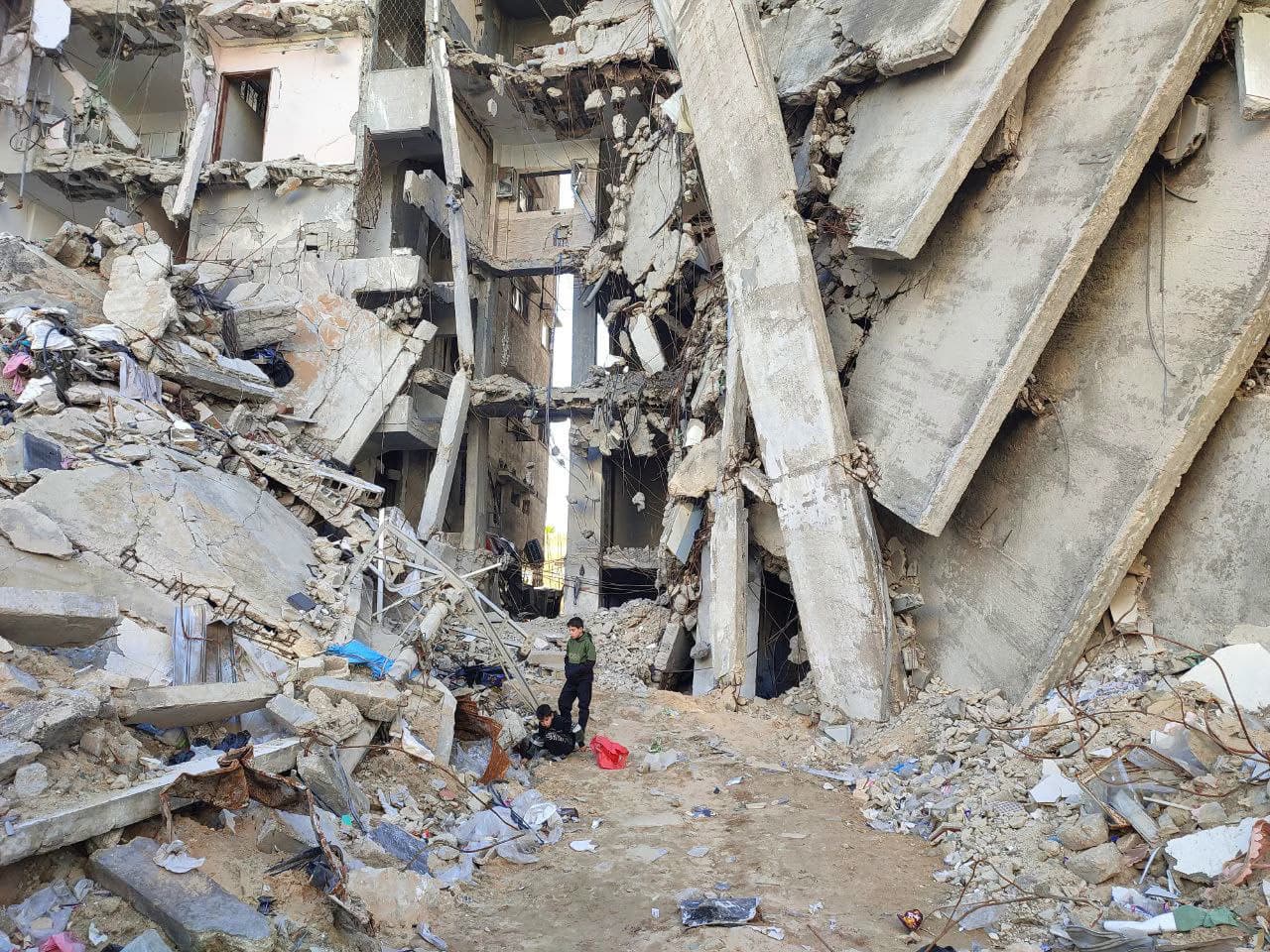
A ceasefire between Israel and Iran-backed Hezbollah, brokered by the U.S. and planned to take effect on Friday, had a controversial start with both sides alleging violations. While the ceasefire was scheduled to begin at 4:00 PM local time, a Hezbollah spokesperson claimed that Israel continued its attacks in southern Lebanon even an hour after the start time.
Israeli Prime Minister Benjamin Netanyahu, in a video posted on social media platform X after the scheduled start time, announced that the Israel Defense Forces had attacked more than 150 Hezbollah targets in Lebanon and neutralized dozens of militants. Netanyahu did not specify when the attacks occurred.
A Hezbollah spokesperson told Fox News Digital that the group would abide by the ceasefire as long as Israel did, but reserved the right to "respond to any violation." The spokesperson stated they had not yet seen the ceasefire take effect.
U.S.-Iran talks postponed
The ceasefire agreement came after talks between the U.S. and Iran, planned for this weekend in Switzerland, were abruptly postponed. The White House did not publicly explain the reason for the delay.
A White House spokesperson told Fox News Digital, "As the Vice President noted in the press conference, plans for the upcoming technical talks are not yet finalized, and the U.S. delegation is ready to depart at the first opportunity." The spokesperson added, "However, the logistics of these negotiations have never been simple or predictable. As of now, the Vice President will not depart tonight. We will inform you when there is a concrete update."
Trump criticizes Netanyahu
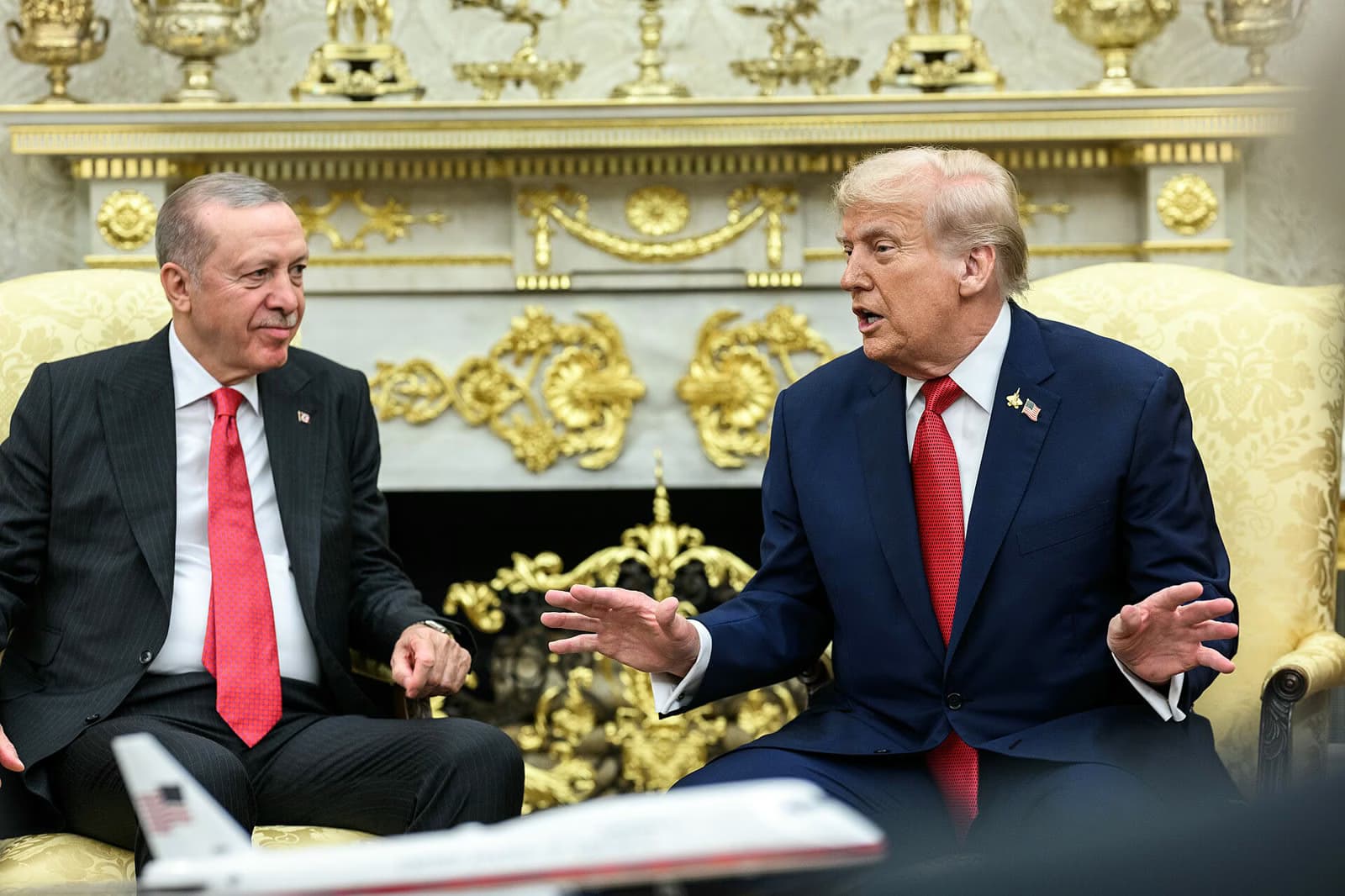
U.S. President Donald Trump expressed growing dissatisfaction with Netanyahu over the Hezbollah conflict in Lebanon. Speaking to reporters at the G7 summit in France, Trump said, "Bibi needs to be more responsible regarding Lebanon."
Trump stated, "Too many people are being killed, and you don't have to demolish an apartment building every time you're looking for someone, because there are a lot of people in those buildings, and not all of them are Hezbollah, I can tell you." He continued, "I'm not telling them not to defend themselves," adding, "When two drones fall harmlessly in the desert, you don't have to destroy buildings in Beirut. They could behave better and frankly do a better job."
Scope of the agreement
U.S. officials described the memorandum of understanding signed on Wednesday as a 60-day framework for negotiations toward a final agreement largely focused on Iran's nuclear program.
Officials said that any withdrawal of U.S. forces from areas near Iran would be contingent on a final agreement, not under the initial deal. The agreement also declared "the immediate and permanent cessation of military operations on all fronts, including Lebanon."
U.S. officials stated that the memorandum of understanding also includes future talks on Iran's nuclear program, covering urgent oil sanction waivers for Iran, an end to Iran's threats regarding the Strait of Hormuz, a process for lifting the U.S. blockade, and the fate of enriched uranium stockpiles.
Iranian Foreign Ministry spokesperson Ismail Baghaei, in a statement on Friday, denied claims that Iran had once again closed the Strait of Hormuz. Baghaei said, "The Armed Forces of the Islamic Republic of Iran, in accordance with the End of War Memorandum of Understanding dated June 18, 1405, have taken the necessary measures to ensure the safe passage of commercial vessels through the Strait of Hormuz, and maritime traffic on this route continues."