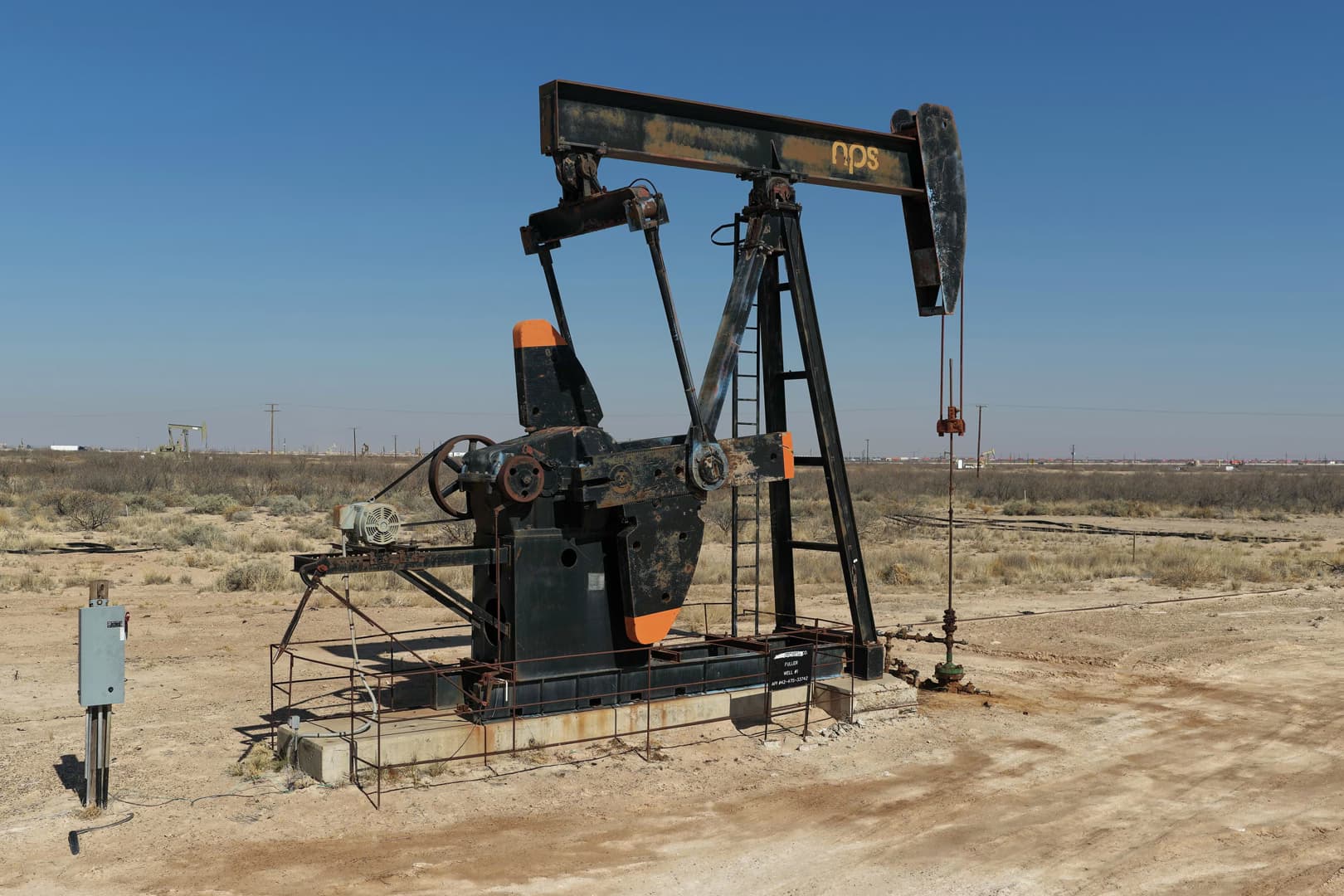
The impact of US-Iran tensions on energy supplies and changing interest-rate expectations remained at the center of pricing in global markets. Brent crude approached $100 a barrel, while US Treasury yields rose and stock markets presented a mixed picture.
A senior unnamed US official who spoke to Fox News said the US military had targeted several sites on Iran's Kharg Island and in the city of Jask. Reports concerning Kharg Island, a central hub for Iran's oil exports, and other strategic locations intensified concerns about energy supplies.
Brent rises as Treasury yields come under pressure
November Brent futures rose 1% in the previous trading session to $97.9 a barrel. The price gained another 1.2% in the new session, trading at $99.1.
The rise in oil prices increased concerns that global inflation could prove persistent. Expectations that central banks could adopt a more hawkish stance because of inflationary pressures led to selling pressure in bond markets.
The yield on the US 10-year Treasury note rose to 4.82%, approaching its highest level since November 2023. In money markets, the probability of the Federal Reserve raising its policy rate by 25 basis points at next week's meeting stood at 60%, while forecasts for another rate hike by the end of the year remained in place.
Inflation data due to be released in the US on Friday are expected to provide fresh clues about the Federal Reserve's potential monetary policy decisions. Consumers' short-term inflation expectations remained unchanged at 3.6% in August, while consumer credit rose by $18.1 billion in July, exceeding expectations.
AI investment supports technology stocks
Despite pressure stemming from energy prices and interest rates, optimism surrounding the artificial intelligence sector remained strong. New developments and positive assessments of the capabilities of next-generation language models supported expectations for increased computing capacity and chip demand.
Demand was considered to remain robust among data-center operators, network equipment manufacturers and other infrastructure companies, alongside chip and memory producers. Growing optimism over artificial intelligence contributed to investment flows that had shifted toward traditional sectors such as industry in previous months beginning to return to technology and semiconductor stocks.
US and European indexes move in different directions
Geopolitical risks and rising interest-rate expectations caused US stocks to decline. The S&P 500 fell 0.58%, the Nasdaq dropped 0.32% and the Dow Jones declined 1.18%, while US index futures opened mixed in the new session.
The dollar index traded flat at 98.7. Gold fell 1.2% in the previous trading session to $4,355 an ounce, then rose 0.6% in the new session to $4,382.
European markets tracked the impact of tensions in the Middle East on energy supplies and the continuing risk of inflation. Expectations that the European Central Bank would raise each of its three key interest rates by 25 basis points came to the fore, while President Christine Lagarde's remarks were closely watched for their potential impact on market direction.
The euro gained 0.1% against the dollar ahead of the expected rate hike, rising to 1.1630. Germany's exports fell 0.8% month-on-month in July, while a technical problem affecting air traffic control services in the UK caused flight disruptions at major airports.
France called for more than €60 billion in revenue from new taxes to be imposed across the European Union to finance the bloc's next seven-year budget. The FTSE 100 and FTSE MIB 30 fell 0.1%, while the CAC 40 rose 0.14%. The DAX 40 traded flat, and European index futures opened lower.
China's inflation data watched in Asia
Asian stock markets moved in different directions as China's August inflation data were released. The Consumer Price Index rose 0.8% year-on-year, while the Producer Price Index increased 3.8% year-on-year.
Rising risks to oil supplies from attacks in the Middle East increased risk aversion in regional markets. Continued investor interest in the semiconductor sector, however, provided support.
Hawkish expectations surrounding the Bank of Japan and intervention by the Japanese government enabled the yen to extend its gains. The dollar-yen exchange rate fell 0.4% to 153.3. South Korea's Kospi rose 1.1%, while the Nikkei 225 fell 0.3% and the Hang Seng declined 0.5%; the Shanghai Composite was flat.
Borsa Istanbul opens strongly
The BIST 100 index ended the previous trading session up 1.79% at 14,405.25 points. The October BIST 30 futures contract traded on Borsa Istanbul's Futures and Options Market fell 0.57% in the evening session compared with the regular-session close.
The Capital Markets Board set the threshold for shareholding notification obligations in the capital of publicly traded issuers at 3%, effective at the end of the day on September 11, 2026. Tables showing individuals and legal entities with a direct stake of 3% or more, as well as individuals and legal entities—including free funds—with an indirect stake of 10% or more, will be updated instantly by the Central Registry Agency.
The dollar/Turkish lira exchange rate ended the previous day at 48.4600 and opened the new session at 48.4740 in the interbank market. In the BIST 100 index, 14,500 and 14,600 points are being monitored as resistance levels, while 14,300 and 14,200 points are seen as support levels.
Data agenda for the day
- 09:00: Japan's August annual machinery orders
- 14:00: US weekly mortgage applications