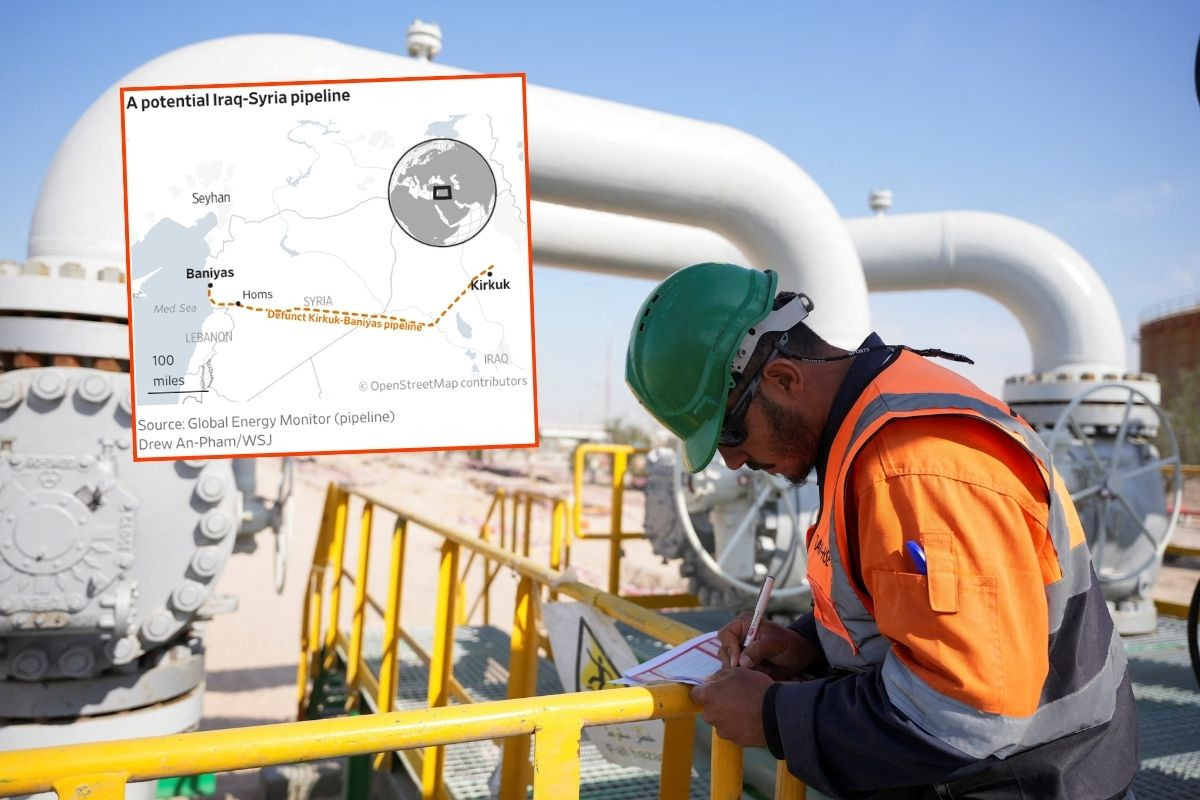
US energy giant Chevron has begun partnership negotiations for a new pipeline project that would provide an alternative to Iraq's oil exports passing through the Strait of Hormuz. According to a Financial Times report based on four sources, Chevron plans to form a consortium with US-based TI Capital and the Qatari-Syrian Al-Khayyat brothers' group to build a line reaching the Mediterranean via Syria.
The project includes a pipeline from southern Iraq to Kirkuk and a second line that would connect to the Syrian port of Baniyas via existing infrastructure. A source said an option starting from Basra and splitting at Haditha to connect to Syria, Turkey or Jordan is also on the table.
Chevron also signed a memorandum of understanding with Iraq for the development of the West Qurna 2 and Nassiriya oil fields in the south.
Another US company, ConocoPhillips, announced it will acquire 42 percent of BP Energy Company of Kirkuk Limited. The company holds development and production contracts for the Baba and Avanah domes in Kirkuk, as well as the Bai Hassan, Jambur and Khabbaz fields. ConocoPhillips CEO Meg O'Neill said, "Kirkuk is a world-class resource base that can support Iraq's long-term energy goals and create value for both the country and BP." The deal is expected to close by the end of the year.

US energy push in Iraq
These deals coincide with Iraqi Prime Minister Ali Al-Zaidi's first visit to Washington since taking office in May. Zaidi met with US President Donald Trump at the White House, and the two leaders pledged to boost Iraq's oil production and announce energy agreements. Zaidi also met with members of the House Foreign Affairs Committee and visited Chevron's headquarters in Houston.
The new pipelines and upstream investments could provide critical support for Iraq's economy, which has been severely hit by the US-Israel-Iran war. The conflict that began on February 28 has led to the near-total closure of the Strait of Hormuz. Iraq used to export more than 90 percent of its oil through the strait; before the war, almost all southern exports were made from Gulf terminals in Basra.
Oil accounts for about 90 percent of Iraqi government revenues. The export disruption is causing production declines and a drop in public income, putting pressure on spending, imports and the dinar.