The US has carried out a second consecutive night of airstrikes on Iran. The strikes were conducted in retaliation for drone attacks on commercial vessels.
Official statement from CENTCOM
US Central Command (CENTCOM) announced that the strikes were carried out on the orders of the Commander-in-Chief. In the statement, it was noted that Iran's aggression against commercial maritime shipping continues.
CENTCOM reported that it targeted Iran's military surveillance infrastructure, communication systems, air defense facilities, drone storage areas, and mine-laying capabilities.
Explosions in southern Iran
Iranian state media reported that explosions were heard near the village of Tahrului in the south of the country and on Qeshm Island. The area around Sirik Port was also the focus of Friday's strikes.
Harsh threat from Trump
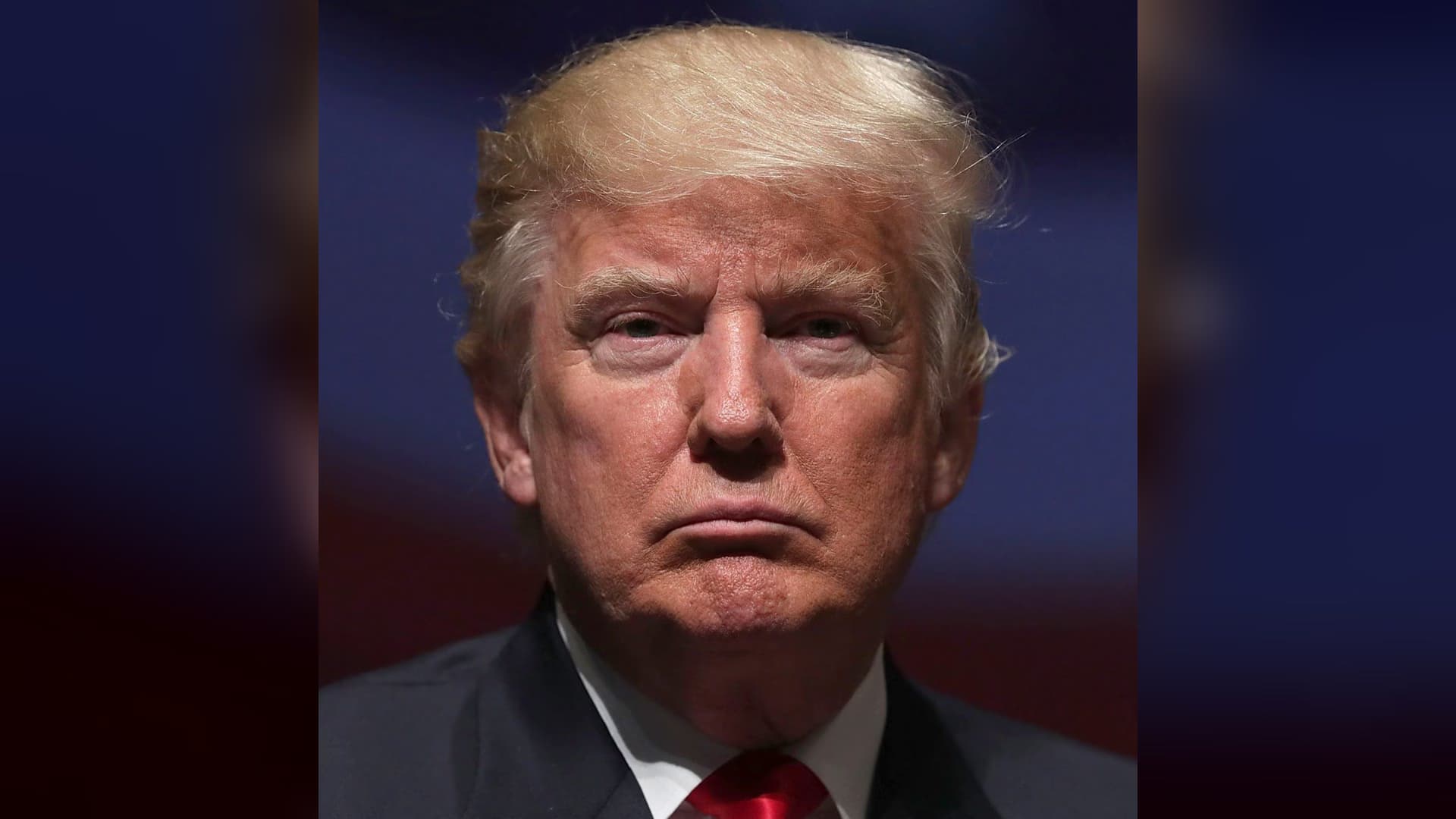
Shortly after the strikes began, US President Donald Trump posted on social media, accusing Iran of violating the ceasefire agreement. Trump said, "They won't learn," adding that if forced to complete the war, the Islamic Republic of Iran will cease to exist.
Tanker attacks threaten ceasefire
In the early hours of Saturday, the Panama-flagged tanker Kiku was attacked by a drone while transiting the Strait of Hormuz. There were no injuries on board, and no cargo leak was reported. CENTCOM stated that the vessel was carrying over 2 million barrels of oil and was struck by a one-way attack drone.
The previous day, a similar attack targeted the Singapore-flagged container ship Ever Lovely, and the US responded with airstrikes on Iran on Friday.
Strait of Hormuz dispute deepens
At the heart of the conflict lies control of the Strait of Hormuz, through which approximately 20 percent of the world's oil shipments pass. Following the war that began on February 28 with US and Israeli strikes on Iran, Tehran closed the strait to traffic.
An agreement signed on June 17 required Iran to allow free passage for commercial vessels for 60 days. However, Iranian officials, citing Article 5 of the agreement, argue that any vessel transiting the strait must coordinate with them. The US maintains that vessels using Omani territorial waters do not need such coordination.
According to Al Jazeera correspondent Resul Serdar Ataç, this difference in interpretation determines the fate of the ceasefire. While Iran views coordinated passage as a defensive measure, Washington emphasizes that keeping the strait open is vital for the global economy.
Congressional reaction and legal threat
Meanwhile, last Tuesday, the US Congress approved a war powers resolution requiring the Trump administration to seek congressional approval before engaging in military action against Iran. Representative Ro Khanna, one of the sponsors of the bill, described the latest strikes as a "clear violation of the War Powers Resolution" and stated that Trump must immediately halt the war, or they will take the matter to court.
Experts warn that the mutual attacks could spiral out of control and that rising oil prices could put pressure on the US. Retired naval officer Harlan Ullman said the agreements are fragile and this vicious cycle could escalate.