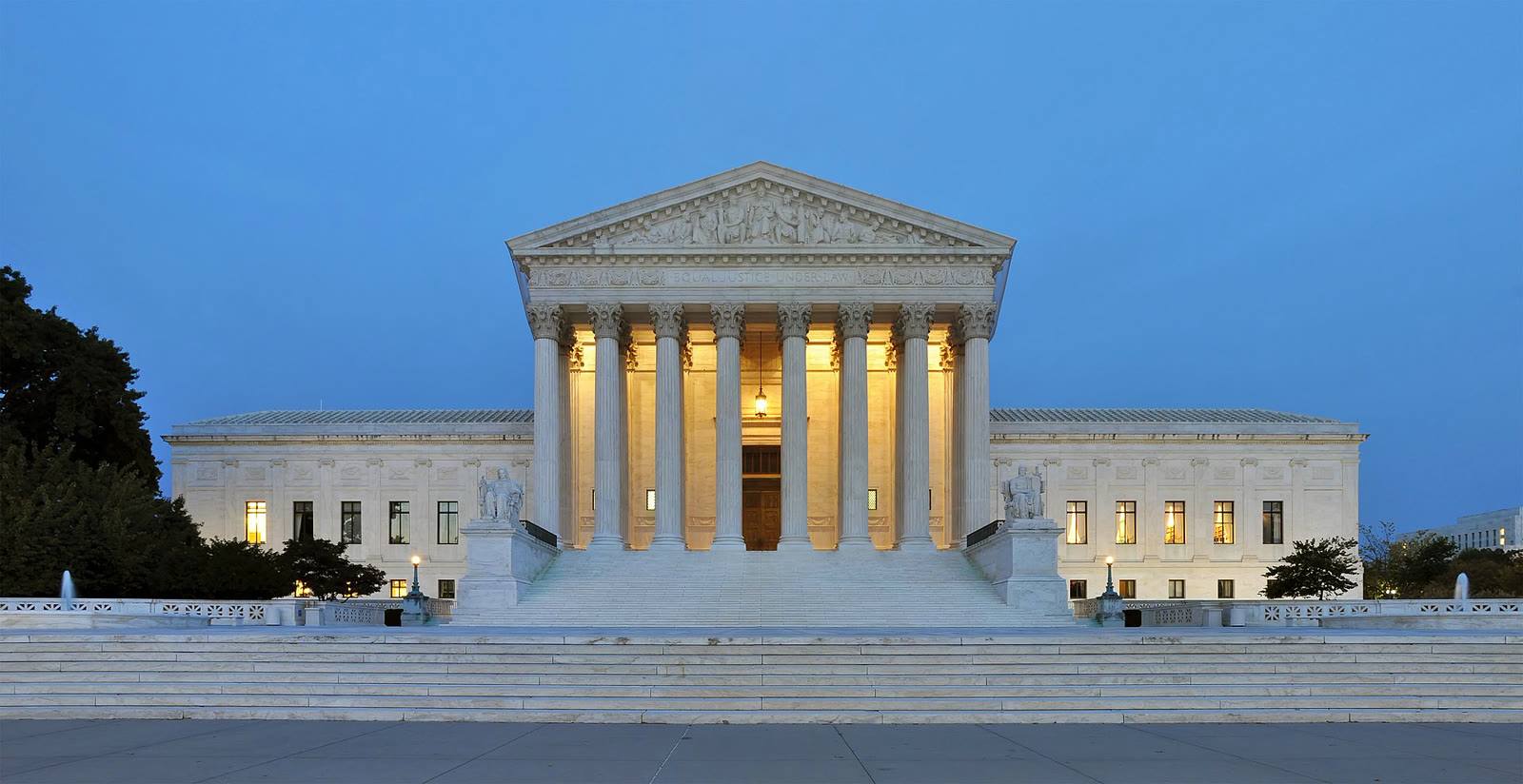
The Trump administration may temporarily continue sending migrants to third countries not named in their deportation orders under a U.S. Supreme Court decision. The ruling blocked a lower court in Boston from ordering a halt to the practice, while the merits of the case remain unresolved.
The Supreme Court agreed to hear oral arguments in the case in December. The justices also asked the parties to address whether lower courts may intervene in the practice and whether the policy complies with due process safeguards and international conventions prohibiting torture.
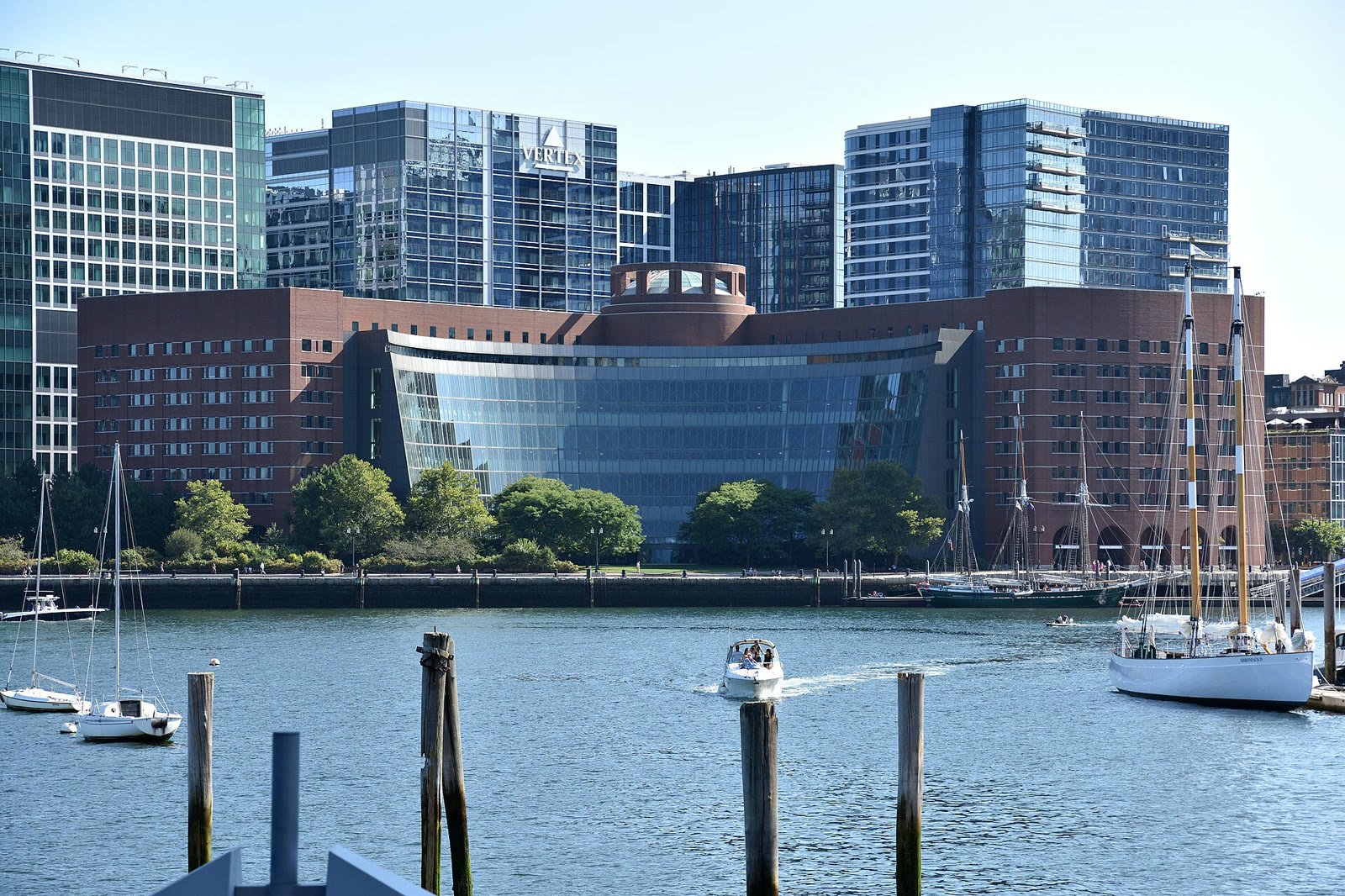
The court did not explain why it stayed the lower court's decision. U.S. District Judge Brian Murphy in Boston argues that migrants were not given adequate notice before being deported and were not provided a meaningful opportunity to explain fears of torture or mistreatment.
The Trump administration's justification
U.S. Solicitor General John Sauer said the practice was necessary to remove some migrants from the country, including people convicted of serious crimes. In a filing dated Sept. 24, Sauer argued that some people could benefit from delaying their deportation proceedings, but that this was not in the country's interest.
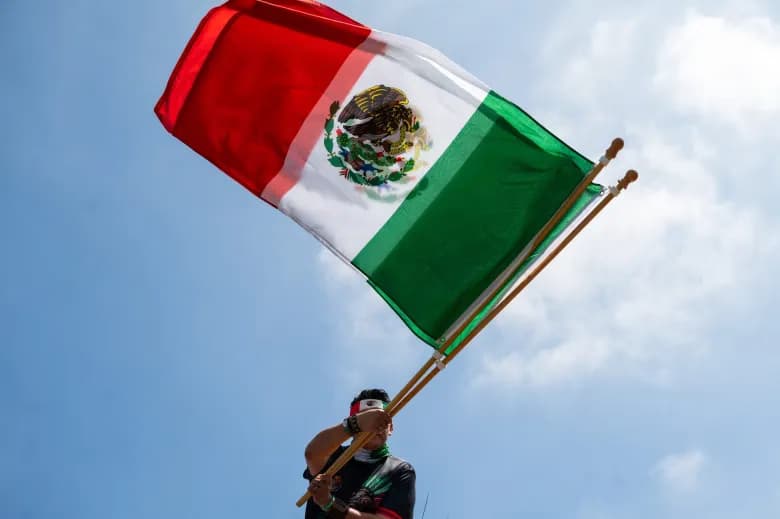
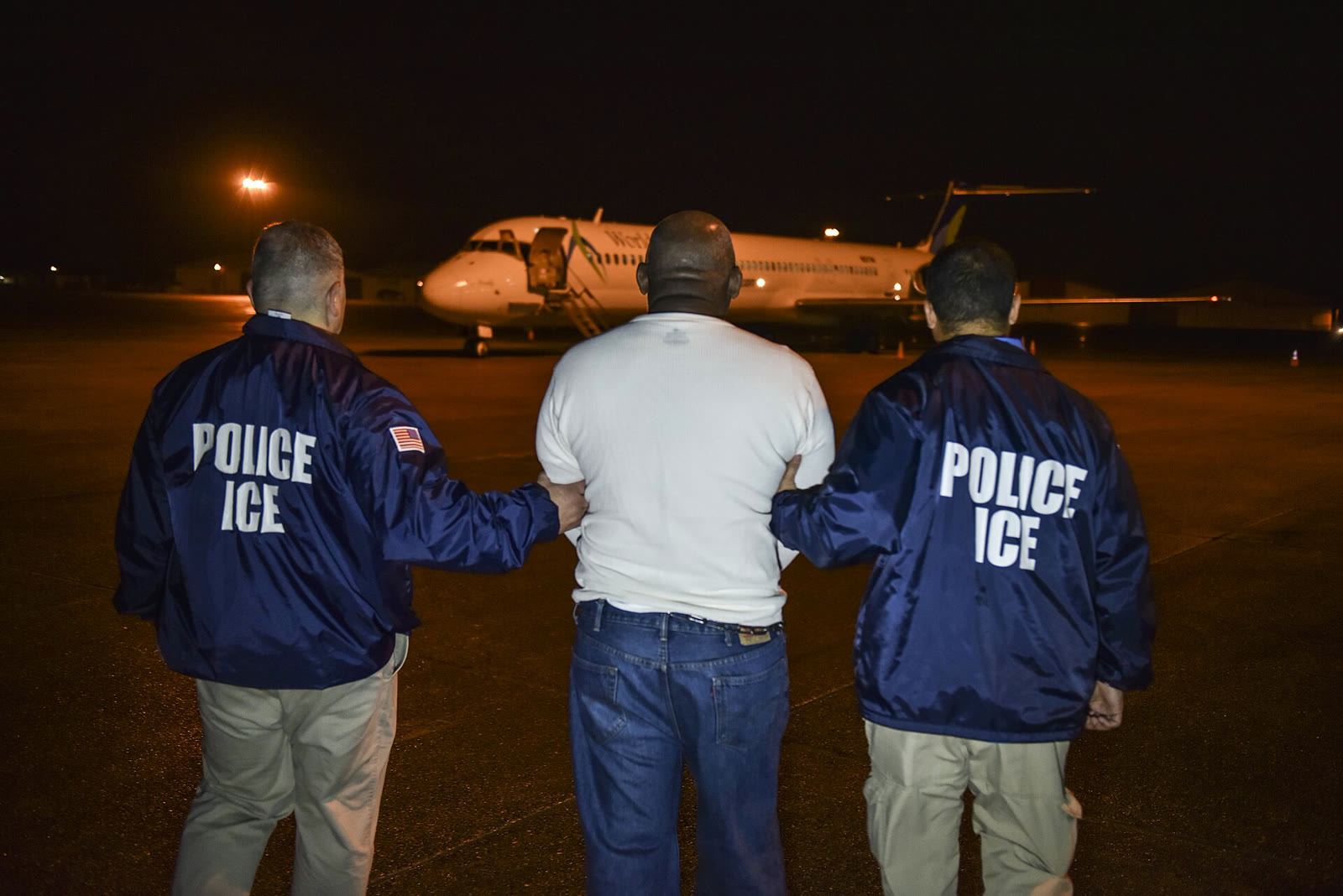
The Trump administration says it has sent tens of thousands of migrants to countries in Africa and Latin America, as well as Mexico, after their home countries refused to accept them.
Migrants' objections
The National Immigration Litigation Alliance, which represents migrants, said that people deported without adequate safeguards faced the risks of prolonged and arbitrary detention, beatings, sexual assault, disappearance and onward return to countries where they had previously been granted protection.
Trina Realmuto, an attorney for the alliance, said the harms in question could not be remedied.
The Supreme Court's third decision
Tuesday's decision marked the Supreme Court's third ruling blocking decisions by the Boston judge that sought to halt deportations. The Department of Homeland Security said Murphy's decisions had caused logistical problems, including canceled flights, diplomatic tensions and delays in deporting people convicted of assault and drug offenses.
Three liberal justices dissented from the Supreme Court's decision.