- BIST10011,483+1.32%
- USD50.07+0.05%
- EUR55.96-0.52%
- GOLD4,074.90-0.94%
- INTEREST36.00%-1.00
- BITCOIN75,720-0.04%
- November 8, 20268°
- BIST10011,483+1.32%
- USD50.07+0.05%
- EUR55.96-0.52%
- GOLD4,074.90-0.94%
- INTEREST36.00%-1.00
- BITCOIN75,720-0.04%
- November 8, 20268°
USCIS employment green card backlog falls to 225,000 as EB-2 waiting list grows
Pending employment-based green card applications at USCIS fell to 225,211 as of Oct. 5 from 266,012 a month earlier, according to agency data posted Oct. 26. Nearly all of the drop came from the EB-4 special immigrant category, while the number of applicants waiting for a visa number rose by more than 22,000.


The number of employment-based green card applications waiting at U.S. Citizenship and Immigration Services fell by about 40,800 in a month, but the headline figure hides a longer wait for many professionals already working in the United States. The agency's latest inventory report, posted on Oct. 26, lists 225,211 pending Form I-485 applications to adjust status in the employment-based categories as of Oct. 5, down from 266,012 on Sept. 3.
The spreadsheet is USCIS's estimate of applicants already in its queue, sorted by preference category, country of chargeability and priority date. It does not cover people processing through U.S. consulates abroad, or workers with approved employer petitions who have not yet filed. USCIS withholds some small counts under its disclosure standards, so the totals, an Ally Daily tally of the published figures, are minimums.
One category drove the decline
The drop came almost entirely from EB-4, the special immigrant category. Pending EB-4 applications, not counting religious workers, fell from 47,372 to 2,798, a decline larger than the net change for the whole report. Most of those cases had been charged to "rest of the world" countries, where the EB-4 count went from 43,892 to 2,379.
The report itself does not explain the change. Its notes caution that counts "may differ from those reported in previous periods due to system updates and post-adjudicative outcomes."
More applicants waiting on a visa number
Other lines grew. EB-2 applications, for professionals with advanced degrees or exceptional ability, rose from 77,537 to 82,445. First-preference EB-1 cases climbed to 59,579 and EB-5 investor cases to 23,316, while EB-3 professional and skilled worker cases fell to 50,359.
The bigger shift was in status. Applications marked "awaiting availability," meaning USCIS has accepted them but cannot approve them until a visa number opens up for that priority date, jumped from 69,425 to 91,995. The October Visa Bulletin, the first of fiscal 2027, pushed the worldwide EB-2 final action date back to Jan. 1, 2025, a retrogression the State Department said was needed to keep visa use within quarterly and annual limits, law firm Fragomen reported. In the October file, 21,198 worldwide EB-2 applications with 2025 and 2026 priority dates were listed as waiting; a month earlier, USCIS showed no worldwide EB-2 case in that status.
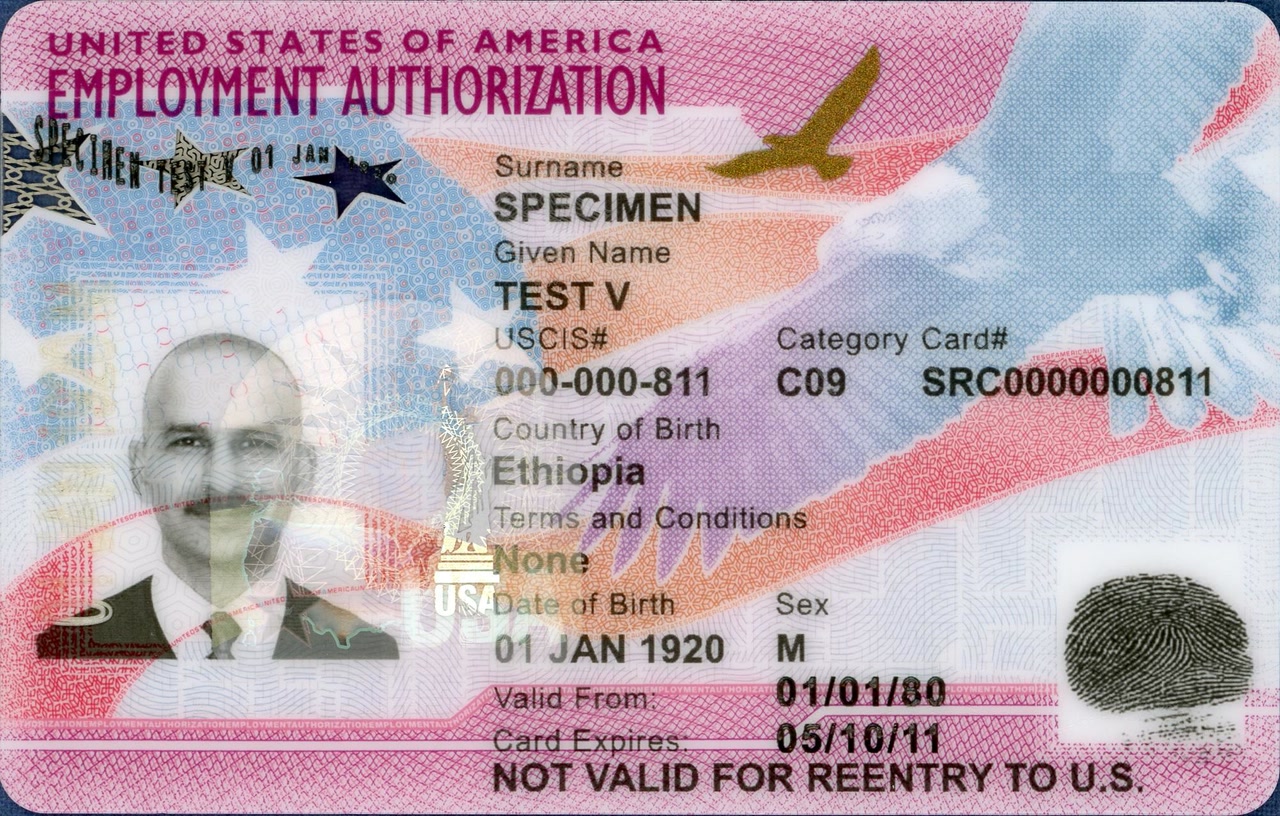
While they wait, applicants with a pending I-485 can apply for a work permit like the category C09 card shown in the USCIS specimen above. The November bulletin moved the worldwide EB-2 cutoff forward three months, to April 1, 2025. The October file counts 4,030 worldwide EB-2 applications with priority dates from January through March 2025, the group the advance brings back within reach of approval.
Where Turkish and Indian applicants stand
The report breaks out only China, India, Mexico and the Philippines. Applicants born in Türkiye, like those from most other countries, are counted under "rest of the world," where 120,432 employment-based applications were pending, including 48,305 in EB-2 and 27,871 in EB-3. Chargeability is generally based on country of birth rather than citizenship.
India remains the longest line. Of its 27,253 pending EB-2 applications, 23,964 are waiting for a visa number, including 20,637 with priority dates from 2014. India's EB-3 inventory stood at 15,180, and China had 4,184 EB-2 cases pending.
USCIS's separate quarterly data show the pace of decisions. From April through June, the agency approved 42,076 employment-based adjustment applications and denied 3,160, ending the quarter with 268,408 pending under that report's own method. As of Nov. 7, USCIS had not posted an inventory snapshot reflecting the November bulletin.
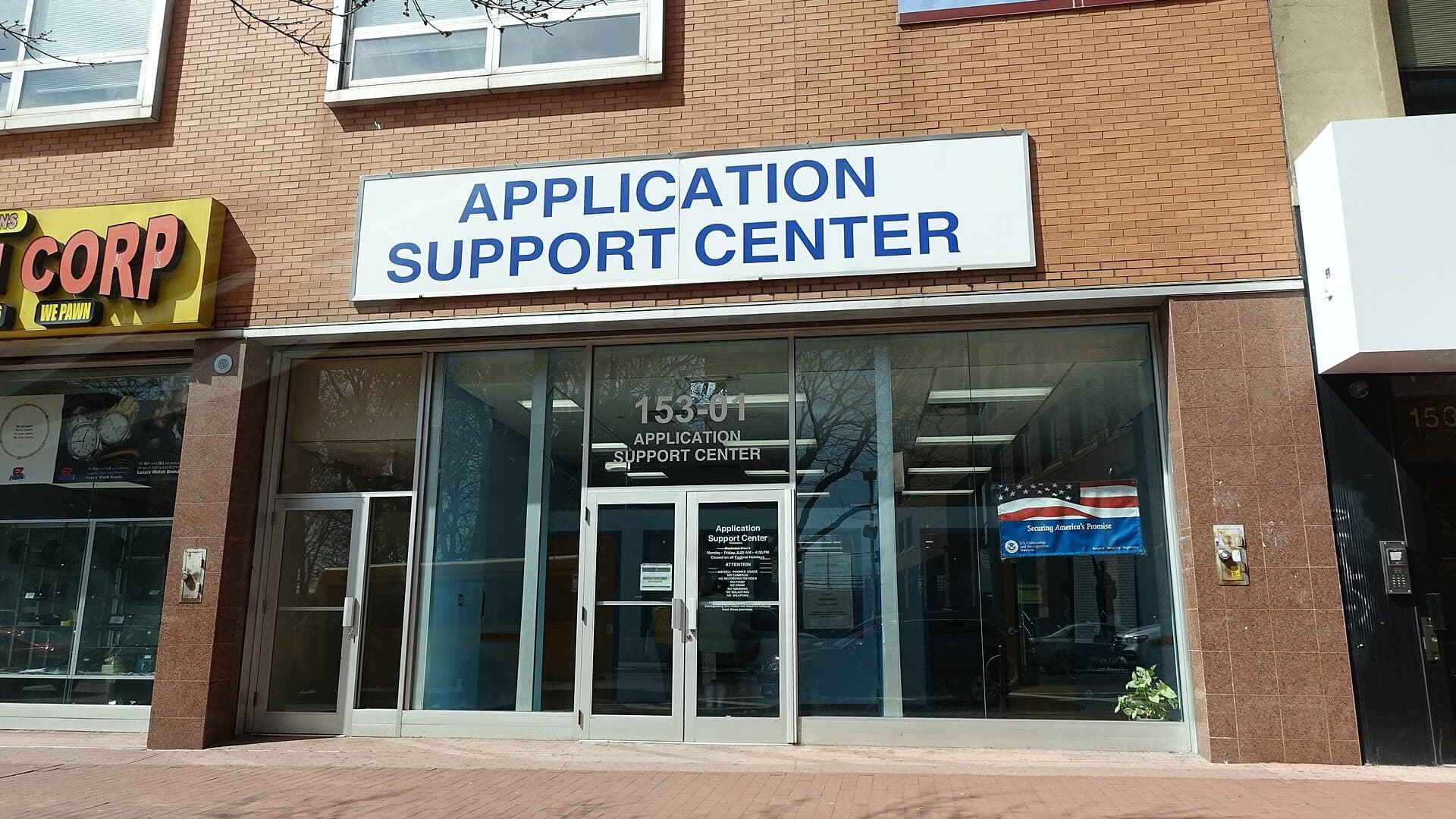
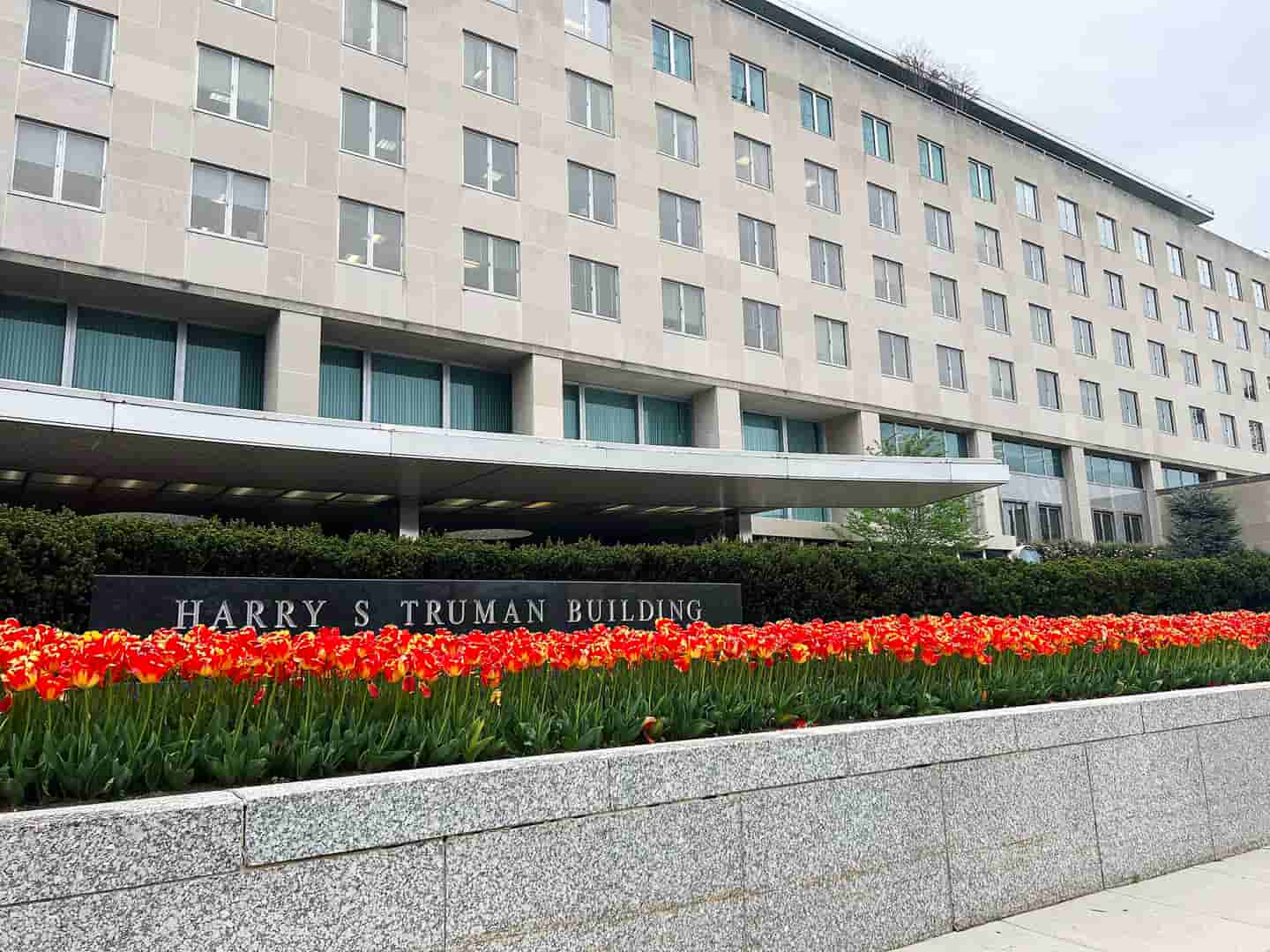
Source: USCIS. Photos: Gulbenk/Wikimedia Commons (CC BY-SA 3.0, archive); USCIS
Have a story, event or announcement of your own?Send us your news on WhatsApp
Spotted an error in this story?Report it on WhatsApp
Share on all social platforms
Sponsored Ads
Featured Listings
Loading featured properties...
Stay Updated with Ally Daily
Subscribe to be informed about special news, developments and announcements. We will keep you informed.
By signing up, you agree to our Privacy Policy