- BIST10011,483+1.32%
- USD50.07+0.05%
- EUR55.96-0.52%
- GOLD4,074.90-0.94%
- INTEREST36.00%-1.00
- BITCOIN75,720-0.04%
- November 8, 20268°
- BIST10011,483+1.32%
- USD50.07+0.05%
- EUR55.96-0.52%
- GOLD4,074.90-0.94%
- INTEREST36.00%-1.00
- BITCOIN75,720-0.04%
- November 8, 20268°
Comment window on DHS's $70,000 OPT fee for international students closes Monday
Americans have until Nov. 9 to comment on a Homeland Security proposal that would charge U.S. colleges $70,000 for each international student recommended for Optional Practical Training and $30,000 for every extension, a plan universities and immigration lawyers want withdrawn.

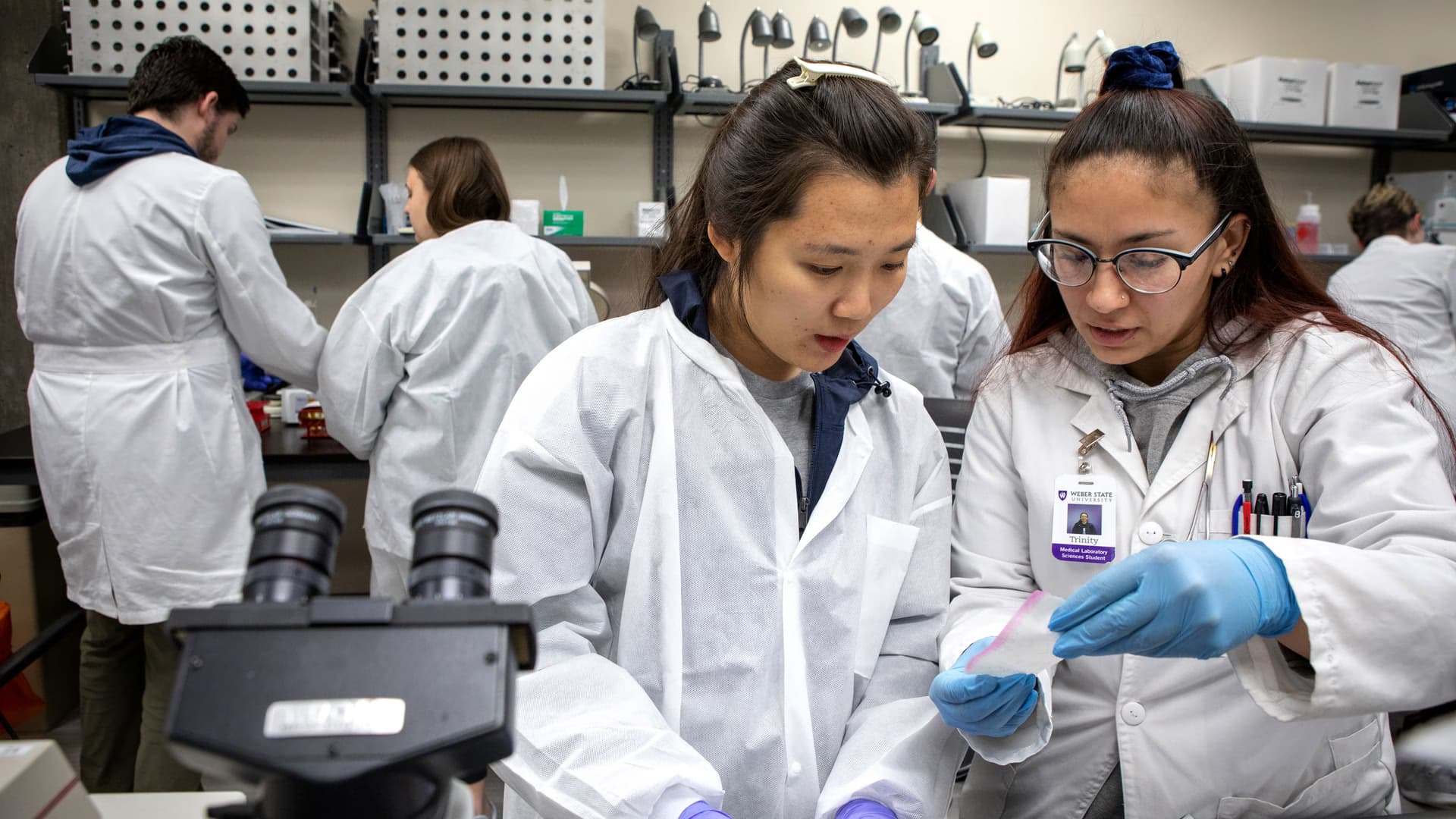
The public has until Monday, Nov. 9, to weigh in on a Department of Homeland Security proposal that would charge U.S. colleges and universities $70,000 for every international student they recommend for Optional Practical Training (OPT), the program that lets F-1 students work in their field during or after their studies. Each subsequent OPT period, including the 24-month extension for science and technology graduates, would cost $30,000.
The notice of proposed rulemaking, published by U.S. Immigration and Customs Enforcement in the Federal Register on Oct. 8 under docket ICEB-2026-0100, says the fees are meant to "combat fraud, strengthen the integrity of the immigration system, and protect U.S. workers." Comments on the related paperwork requirements remain open until Dec. 7.
Who would pay, and when
Under the proposal, the school, not the student, would pay the fee before a designated school official recommends a student for OPT in the government's SEVIS database, according to a summary by Duke University's visa office. It would cover both part-time and full-time OPT, before or after graduation, and would be refunded only if the work permit is not issued. The rule itself notes that schools could pass the cost on to "F-1 nonimmigrant students, all students, or employers."
The fee would come on top of the $520 students already pay to apply for a work permit, or $470 online. It would apply only to recommendations made after a final rule takes effect, 60 days after publication; students already on OPT or STEM OPT would not be charged. The American Council on Education noted that the new money would go to the U.S. Treasury, while the current fee funds DHS processing and fraud investigations.
DHS: a "pipeline for cheap foreign labor"
DHS has described OPT as a "pipeline for cheap foreign labor," The Associated Press reported. The proposal cites agency data showing that 194,554 F-1 students with OPT work permits reported working for an employer in 2024, up from 160,627 in 2023, plus 165,524 students on STEM OPT. When the STEM extension was created in 2016, DHS projected about 92,000 participants by 2026. The rule also says roughly 6,186 schools are certified to enroll international students, overseen by field representatives spread across about 60 territories.

Colleges and lawyers push back
The American Council on Education and 18 other higher education associations have urged DHS to withdraw the rule. "It's highly unlikely that our institutions would pay the fee straight out," ACE's Sarah Spreitzer told Politico. "They would likely pass that fee along to the student in the form of tuition and fees." The American Immigration Lawyers Association and the American Immigration Council filed a joint comment on Nov. 6 opposing the plan.
"Driving away the talents, perspectives, and aspirations of international students will only hurt American innovation, economic growth, workforce development, and global leadership," said Fanta Aw, chief executive of NAFSA: Association of International Educators. Spreitzer told the AP that the number of new international students fell 17% last fall and that some colleges are reporting drops of 30% to 40% this year.
The rule is not in effect, and students can still apply for OPT under current fees. Duke's visa office advised students not to make abrupt decisions about study, travel or job plans and said those already within the filing window, which opens 90 days before a program ends, should consider applying soon. Legal challenges are widely expected if the fee is finalized.
Photos: American Council on Education; Reuters
Have a story, event or announcement of your own?Send us your news on WhatsApp
Spotted an error in this story?Report it on WhatsApp
Share on all social platforms
Sponsored Ads
Featured Listings
Loading featured properties...
Stay Updated with Ally Daily
Subscribe to be informed about special news, developments and announcements. We will keep you informed.
By signing up, you agree to our Privacy Policy