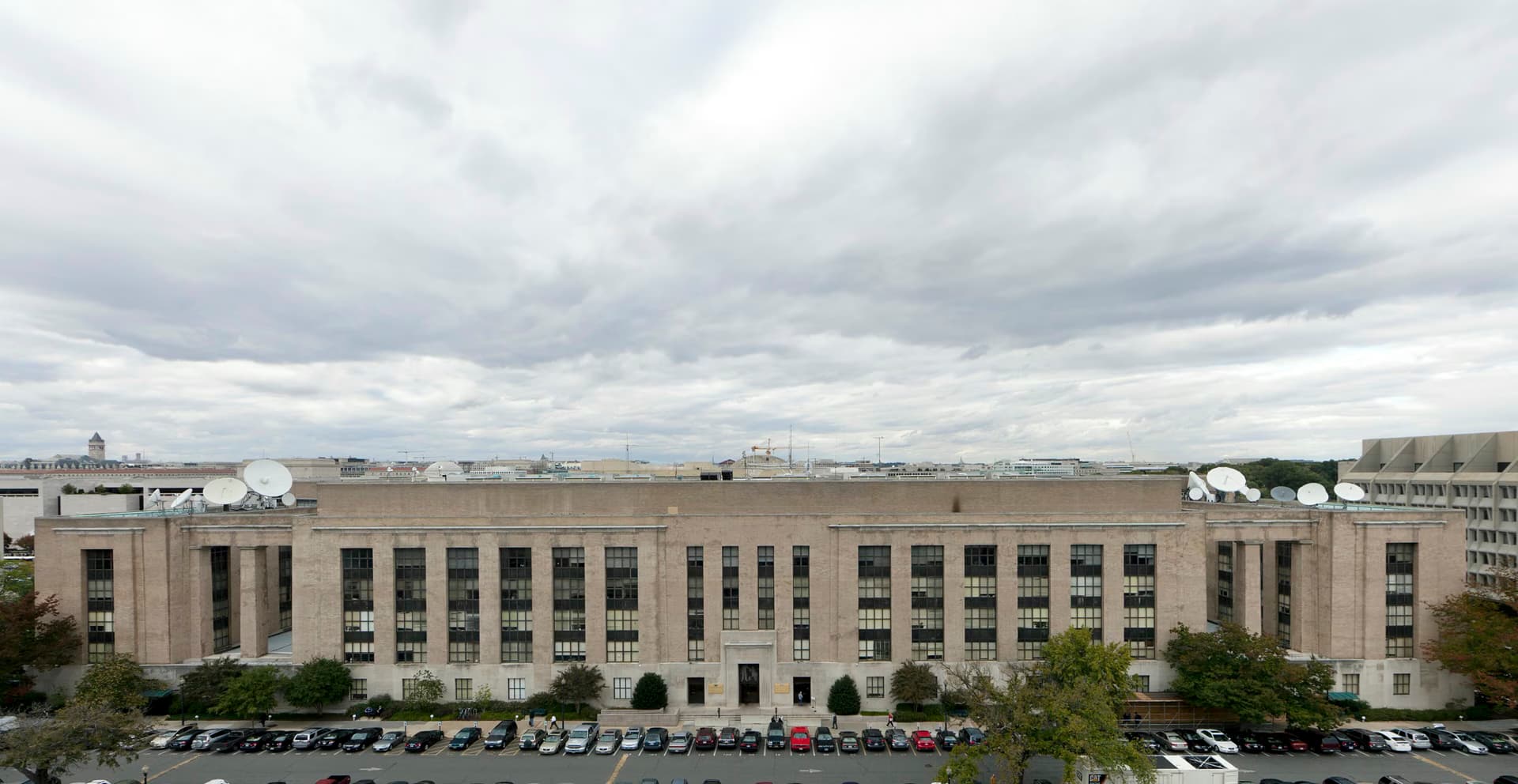
The Washington Post reported that the Chinese administration has introduced a new series of restrictions to stop capital flight from the country and keep financial resources within its borders.
According to the newspaper's commentary, following the outflow of nearly a trillion dollars from the country last year, the Beijing administration rapidly implemented measures aimed at limiting overseas investments by Chinese citizens and companies.
Economic Challenges and Control Policies
These steps come at a time when the Chinese economy is facing challenges such as a noticeable slowdown in growth, an ongoing real estate market crisis, and increasing local government debt.
These conditions have driven many savers to look outside the country for safer and more profitable investment opportunities, such as real estate, foreign stocks, or international insurance products.
The Chinese government views the continuation of this trend as a threat to financial and economic stability. The Washington Post wrote that instead of addressing the structural reasons driving investors to move their money abroad, Beijing has chosen to tighten controls, effectively 'rebuilding the Great Wall'.
Example of Control in the Technology Sector
Beijing believes these steps are necessary to protect domestic financial and technological resources and to enhance competitiveness in areas like advanced technology and artificial intelligence.
In this context, the newspaper cited the decision by Chinese authorities to force Meta to abandon its acquisition agreement for the AI startup 'Manos', which had partially relocated to Singapore.
Criticism of the Policies
However, critics of these policies warn that such measures could backfire.
According to the criticism, this approach could reduce startups' opportunities to access international financing, weaken the innovation environment, and push investors to seek alternative ways to transfer their money abroad.
In its commentary, the Washington Post concludes that strong economies develop not through isolation or tight restrictions, but through openness and the flow of ideas, capital, and talent towards the most innovative and productive projects.
The newspaper states that Beijing's new policies may provide some short-term gains in limiting capital flight, but in the long term, they could weaken innovation and deepen China's isolation from the global economy. It is assessed that this situation could pose greater challenges for the country's economic and technological goals in the coming years.