The proliferation of AI technologies is redrawing the world's electricity consumption map. According to data from the International Energy Agency (IEA) and the International Renewable Energy Agency (IRENA), AI-driven data centers are expected to push global electricity demand to 950 terawatt-hours by 2030.
Data center electricity consumption, which stood at around 485 terawatt-hours in 2025, will nearly double to 950 terawatt-hours by 2030. This amount represents about 3 percent of global electricity demand.
Half of US electricity growth to come from data centers
Consumption is expected to grow much faster in data centers that focus especially on AI. According to the IEA's 'Electricity 2026' report, roughly half of the US electricity demand growth up to 2030 will come from data centers.
Global electricity demand, meanwhile, is projected to grow by an annual average of 3.6 percent through 2030, driven by industrial production, electric vehicles, air conditioning systems, and rising consumption from AI-powered data centers.
Tech giants transform energy supply
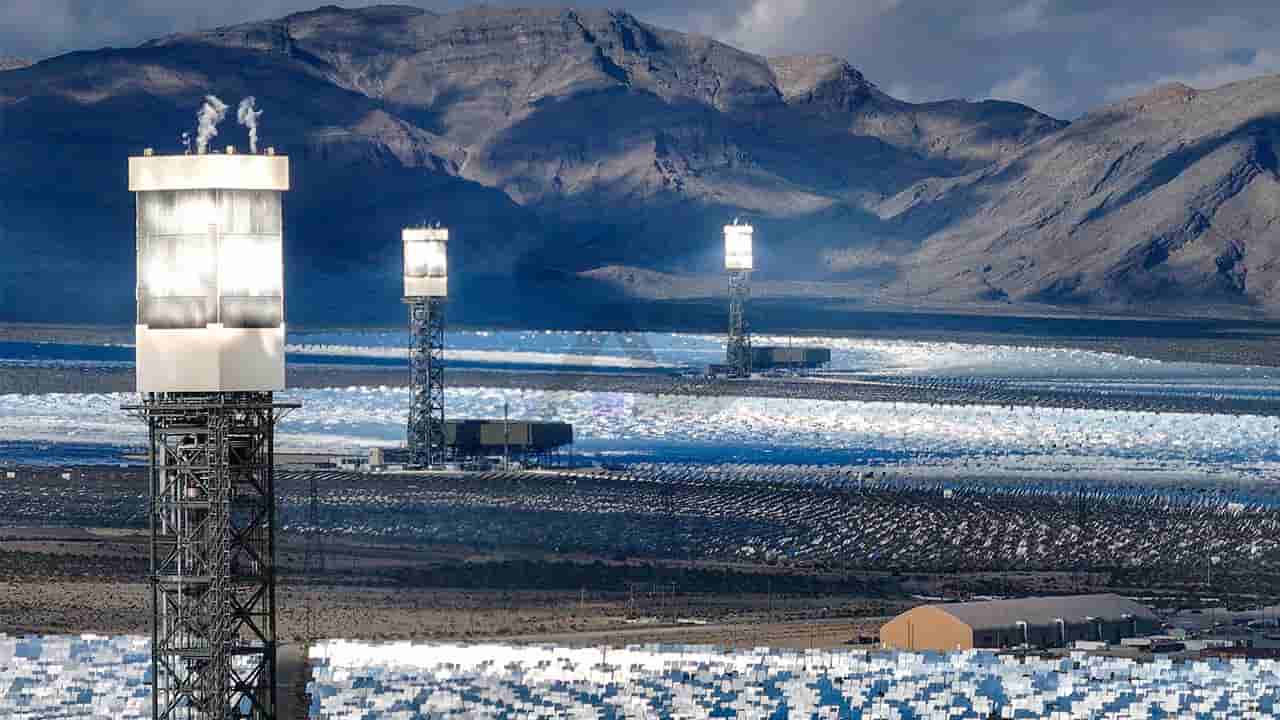
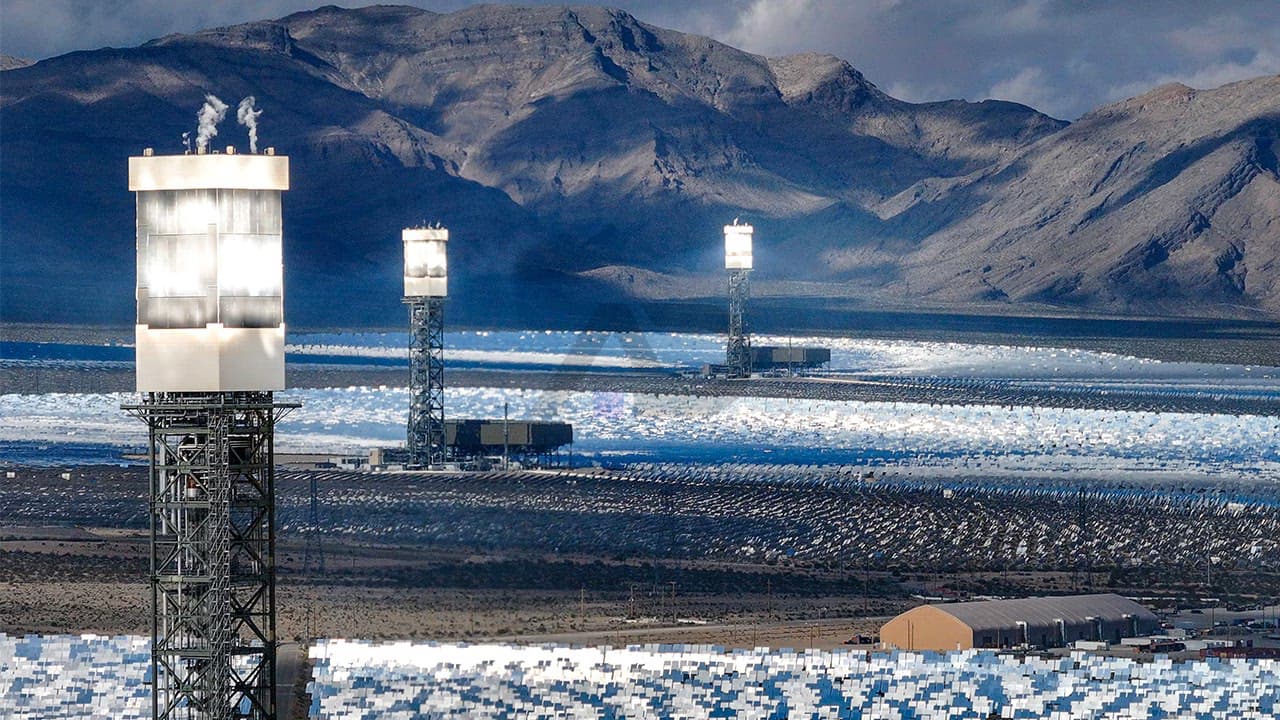
Companies like Microsoft, Google, Amazon, and Meta are signing long-term renewable energy deals to support new data center investments, while natural gas and nuclear options are also being considered for some projects.
In the short term, a significant portion of the additional electricity demand from data centers is expected to be met by natural gas and coal power plants, while renewable energy investments and battery storage systems are also set to accompany this growth.
AI to be harnessed for efficiency as well
AI is seen not only as a new consumer in the energy sector but also as a technology that can boost system efficiency. It is said to contribute to cost reductions by improving efficiency in areas such as predictive maintenance, carbon capture technologies, renewable generation forecasting, smart homes and buildings, and nuclear plant monitoring.
This rapid growth in electricity demand also brings debates on grid infrastructure. Transmission capacity, grid connections, and electricity prices are among the prominent topics, especially in regions where data center investments are concentrated.
The emerging picture in the energy sector indicates that the relationship between AI and the energy transition will strengthen further in the coming years. With digitalization, AI and data centers have become not a choice but a systemic necessity in the energy transition.