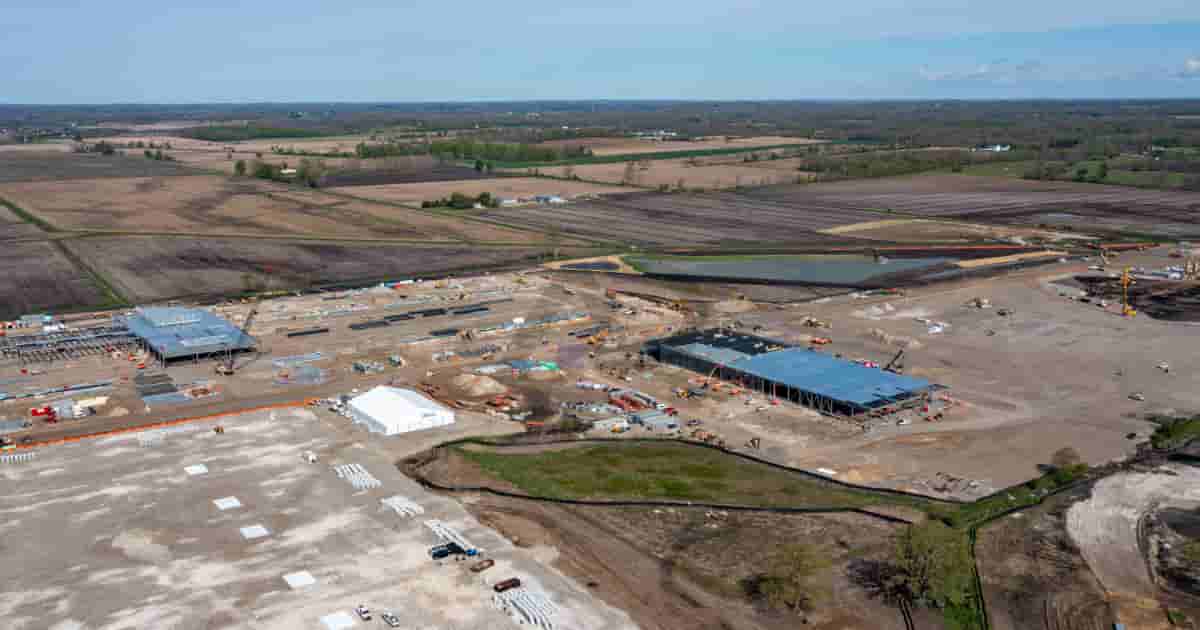
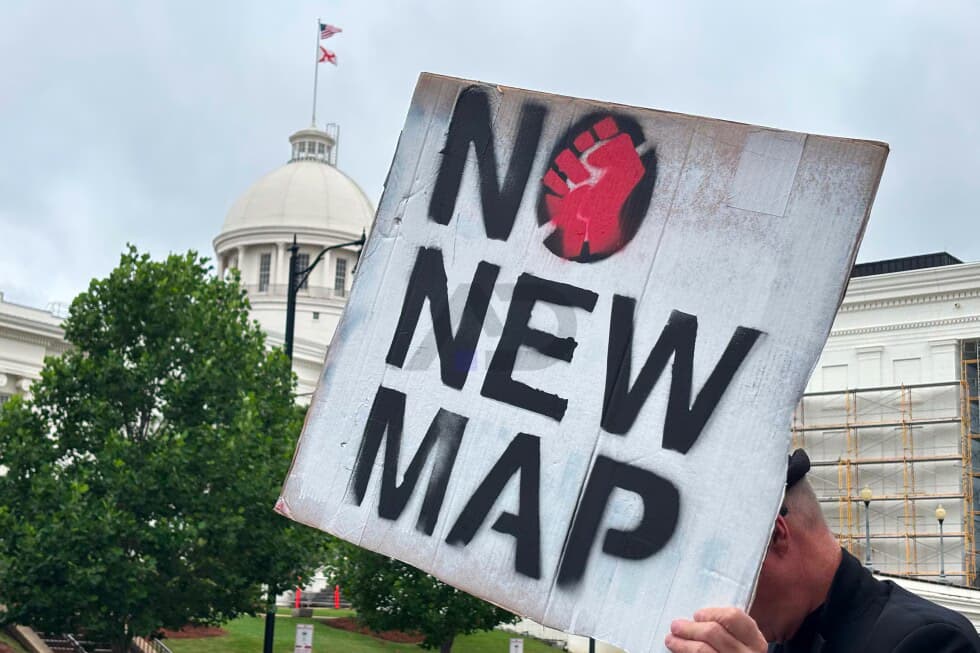
A massive $16 billion data center built for Oracle and Open AI in Michigan has brought Americans' views on data centers back into focus. A new survey conducted by Gallup found that 70% of Americans oppose having a data center in their neighborhood, with nearly half of them expressing this opposition as "definitely against." Data centers attract attention due to the large space, high energy, and water consumption required to run large AI models. However, the job opportunities they provide are limited compared to the size of the investment. Additionally, the loud noise from cooling systems and the black smoke emitted by gas turbines used in some facilities are among the disturbing factors for residents around these centers. This social reaction also finds its reflection in the political arena; according to the industry analysis project Data Center Watch, at least $156 billion worth of data center infrastructure investments have been canceled due to organized local resistance. Across 37 states nationwide, 268 local opposition groups have organized more than 300,000 people. However, some investors underestimate this resistance. For example, famous investor Kevin O'Leary, who plans to build a huge data center in Utah twice the size of Manhattan, accused opponents of being "professional protesters" and under the influence of the Chinese government. Yet data shows that opposition to data centers is entirely American-sourced. These developments raise the question of how to balance data centers' growth plans with the concerns of local communities.