- BIST10011,906+0.53%
- USD50.28+0.05%
- EUR55.60-0.24%
- GOLD3,864.80-0.55%
- INTEREST36.00%-1.00
- BITCOIN64,511-1.23%
- November 16, 20262°
- BIST10011,906+0.53%
- USD50.28+0.05%
- EUR55.60-0.24%
- GOLD3,864.80-0.55%
- INTEREST36.00%-1.00
- BITCOIN64,511-1.23%
- November 16, 20262°
Archaeologists clear 3,000 tons of debris from tunnels beneath Hagia Sophia
Archaeologists have removed some 3,000 tons of mud and debris from the centuries-old Roman tunnel network beneath Istanbul’s Hagia Sophia, opening passages and burial chambers that predate the sixth-century landmark.
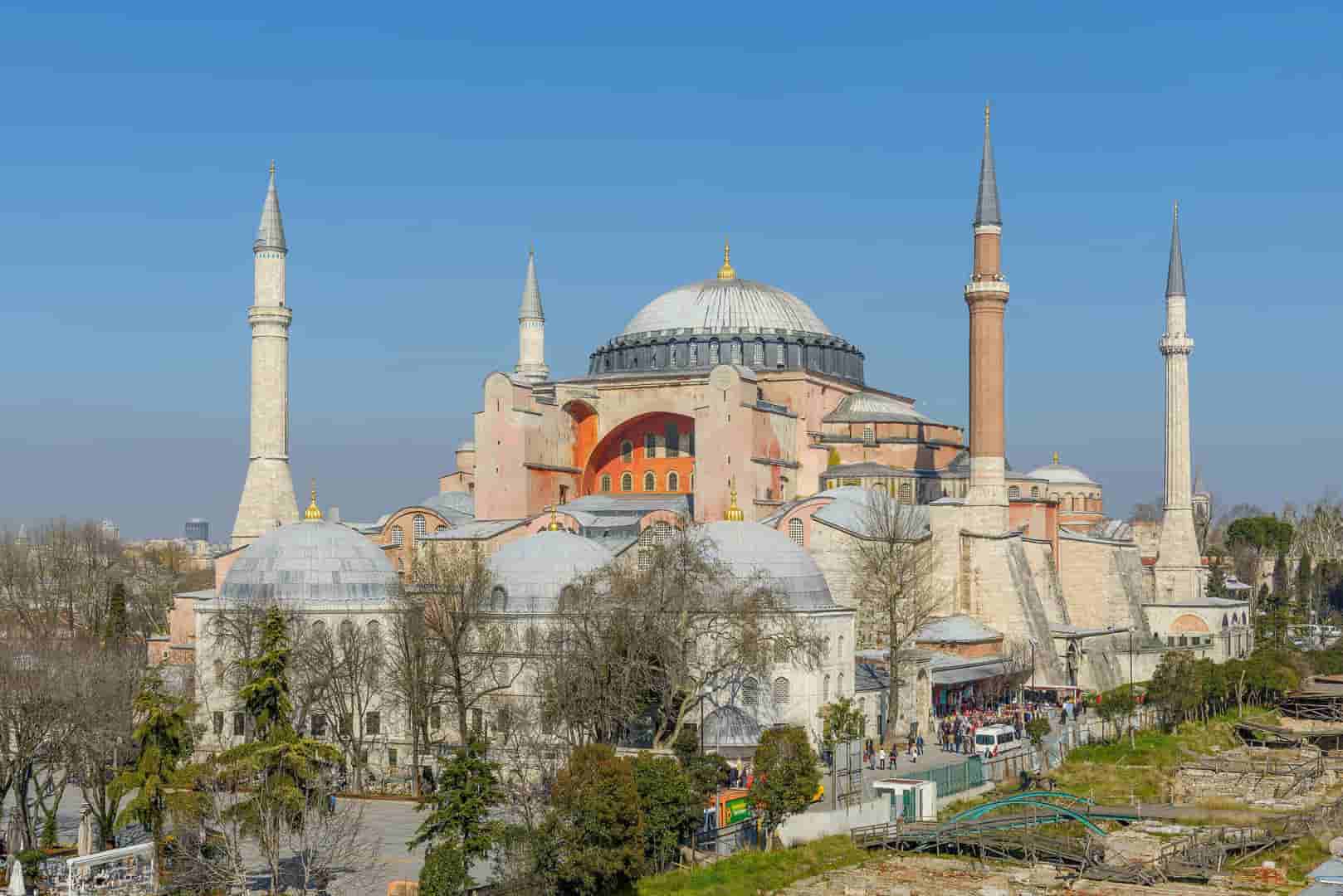
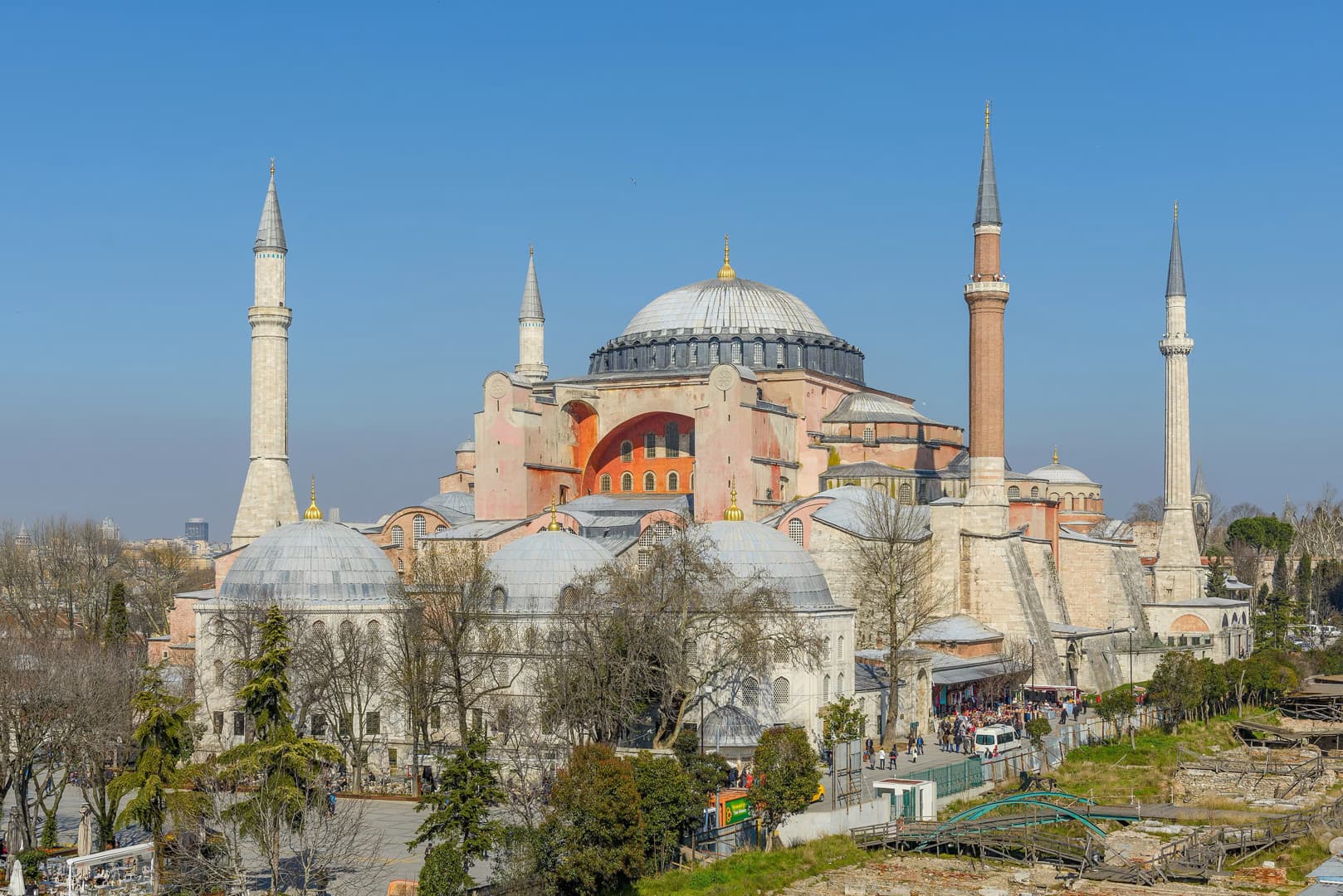
Archaeologists working beneath Istanbul’s Hagia Sophia have removed roughly 3,000 tons of mud and debris from a centuries-old network of underground tunnels, opening parts of the tunnel network beneath one of the world’s best-known landmarks that had long been impossible to reach, Fox News reported, citing Türkiye Today.
Archaeologist Hasan Fırat Diker, who presented the findings in Istanbul on Oct. 16, said the roughly 1,600-year-old tunnels were built by the Romans as part of the city’s water distribution and drainage system and also served as a protected underground space. Some of the structures predate the current Hagia Sophia, completed in 537 under Byzantine Emperor Justinian I. Diker compared the network to a modern subway system.
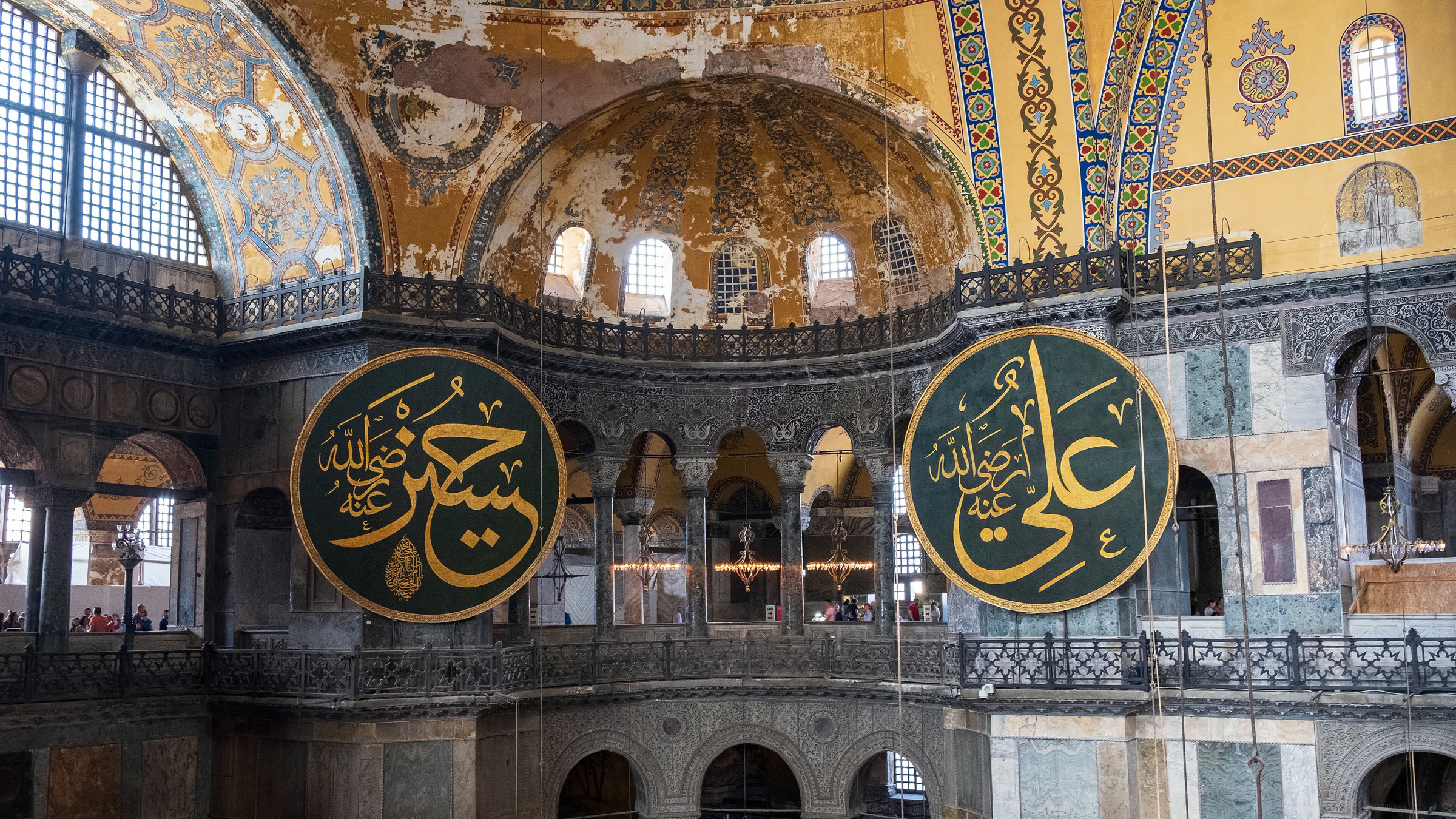
According to Diker, the tunnels carried rainwater from the surrounding streets to the sea. Researchers have cleared about 170 meters of an underground route connected to a fifth-century Roman street that runs from the Sarayburnu area toward the Little Hagia Sophia. Excavation and clearing work has been under way since February 2025.
The team also cleared the upper and lower levels of an underground burial complex first discovered in 1946, digging about 1.5 meters deeper beneath it. The burial chambers, which also predate the present building, had filled with mud over the centuries. Diker said today’s Hagia Sophia is the third structure built on the site.
Researchers hope to open more of the underground network to visitors and are planning an exhibition of the archaeological remains. Part of a UNESCO World Heritage Site, Hagia Sophia served as a cathedral for nearly a thousand years, became a mosque after the Ottoman conquest of Istanbul in 1453, a museum in 1935 and again a mosque in 2020.
Stay Updated with Ally Daily
Subscribe to be informed about special news, developments and announcements. We will keep you informed.
By signing up, you agree to our Privacy Policy