- BIST10011,722-2.89%
- USD49.45+0.05%
- EUR55.62+0.37%
- GOLD4,181.10+0.26%
- INTEREST37.00%-1.00
- BITCOIN81,434-0.08%
- October 17, 202614°
- BIST10011,722-2.89%
- USD49.45+0.05%
- EUR55.62+0.37%
- GOLD4,181.10+0.26%
- INTEREST37.00%-1.00
- BITCOIN81,434-0.08%
- October 17, 202614°
UW–Madison physicist Francis Halzen wins 2026 Nobel Prize in Physics
Halzen, who has taught at the University of Wisconsin–Madison since 1972, was honored for leading the IceCube Neutrino Observatory at the South Pole and the discovery of high-energy neutrinos from deep space.
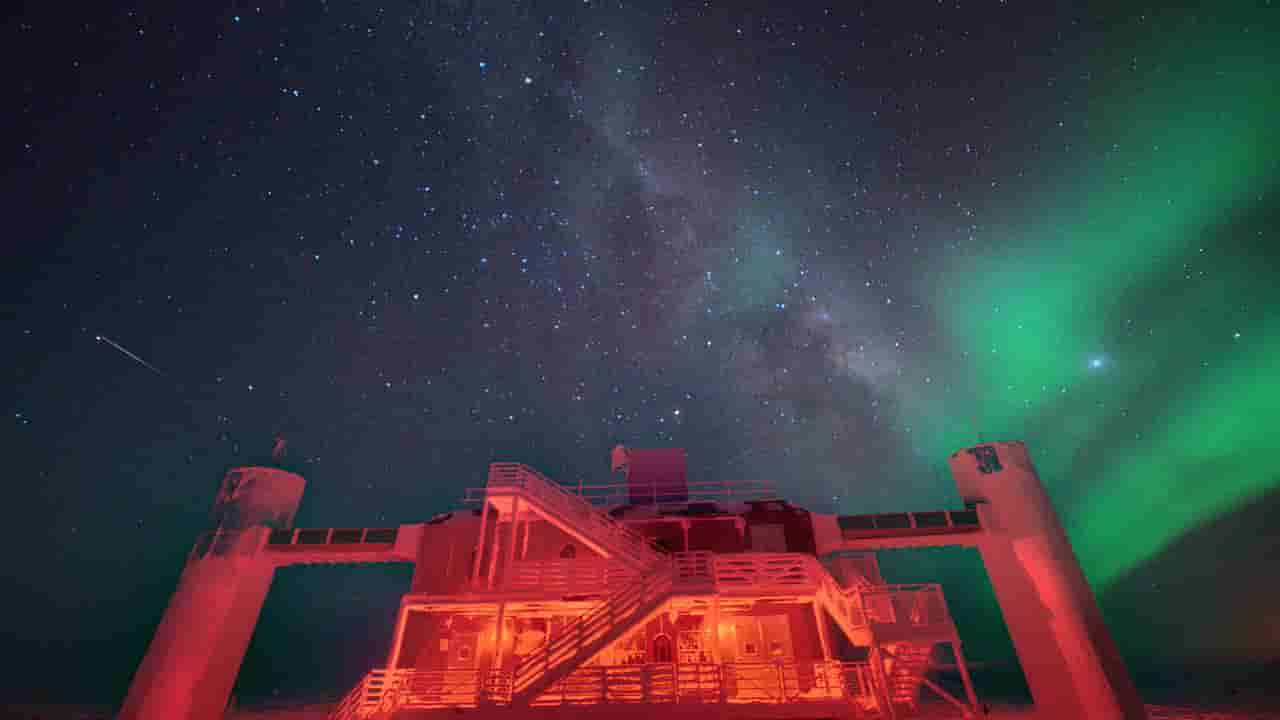
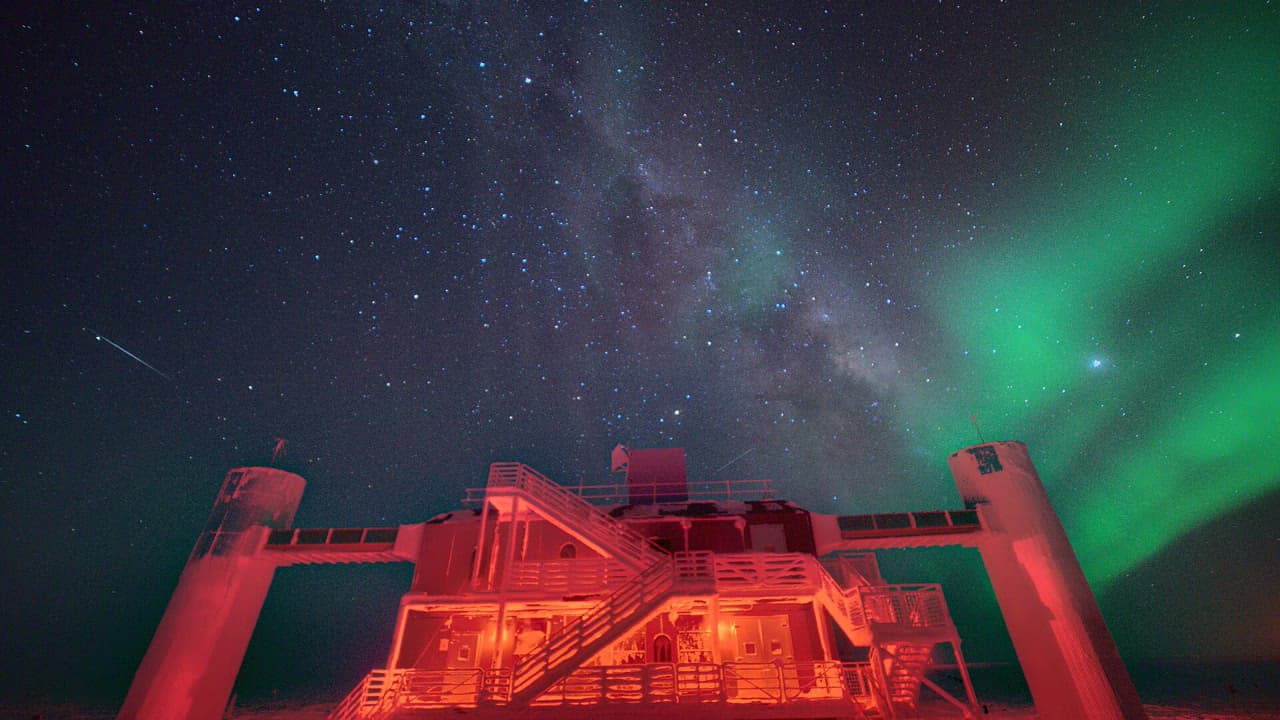
Francis Halzen, a University of Wisconsin–Madison physicist who spent decades turning a block of Antarctic ice into a telescope for “ghost particles,” has won the 2026 Nobel Prize in Physics. The Royal Swedish Academy of Sciences announced Tuesday in Stockholm that Halzen, 82, is being honored “for decisive contributions to the IceCube Neutrino Observatory and the discovery of high-energy neutrinos of astrophysical origin.”
Born in Tienen, Belgium, in 1944, Halzen earned his doctorate at KU Leuven in 1969 and joined the faculty at Wisconsin in 1972. He is the principal investigator of IceCube, an international collaboration operated from the university, and receives the entire prize sum of 12 million Swedish kronor, about $1.2 million.
A telescope built into the ice
IceCube, located at the Amundsen–Scott South Pole Station, uses about 5,160 light sensors frozen into a cubic kilometer of ice, some as deep as about a mile and a half, to catch the faint flashes produced when neutrinos collide with atoms in the ice. Construction began in 2005, and the observatory began full operations in 2010.
In 2013, IceCube made the first detection of high-energy neutrinos originating beyond the solar system and the Milky Way, opening a new window on the universe. Later observations pointed to active galactic nuclei and supermassive black holes as sources of these cosmic particles.
“A new kind of astronomy”
Mark Pearce, chair of the Nobel Committee for Physics, said: “Francis Halzen has led an international team of researchers and engineers who have provided us with a fantastic instrument. His tenacity and scientific vision has paved the way for a new kind of astronomy.” Efforts to reach Halzen immediately after the announcement were not successful.
The award adds to a long list of honors for Halzen, including the Balzan Prize in 2015, the Bruno Pontecorvo Prize in 2018 and election to the U.S. National Academy of Sciences in 2024. The Nobel Prizes will be presented in Stockholm on Dec. 10.
Stay Updated with Ally Daily
Subscribe to be informed about special news, developments and announcements. We will keep you informed.
By signing up, you agree to our Privacy Policy