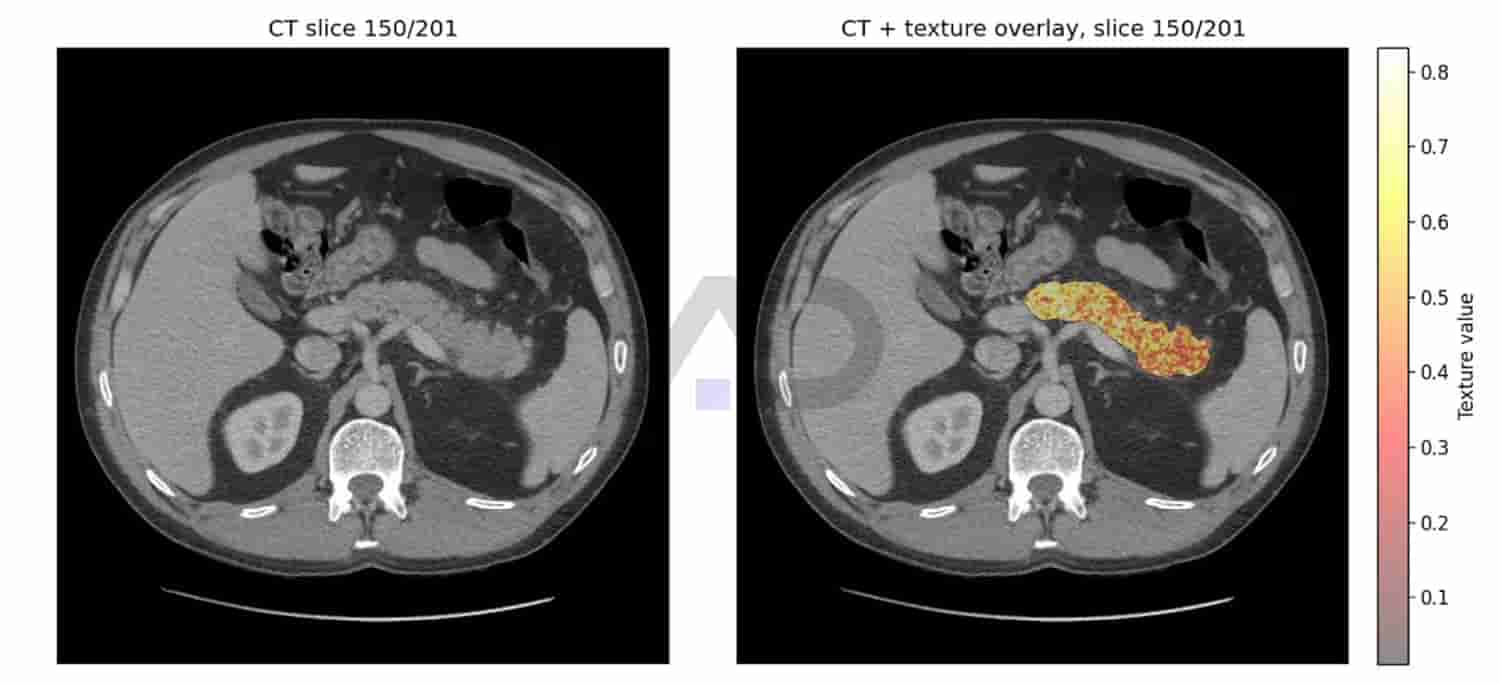
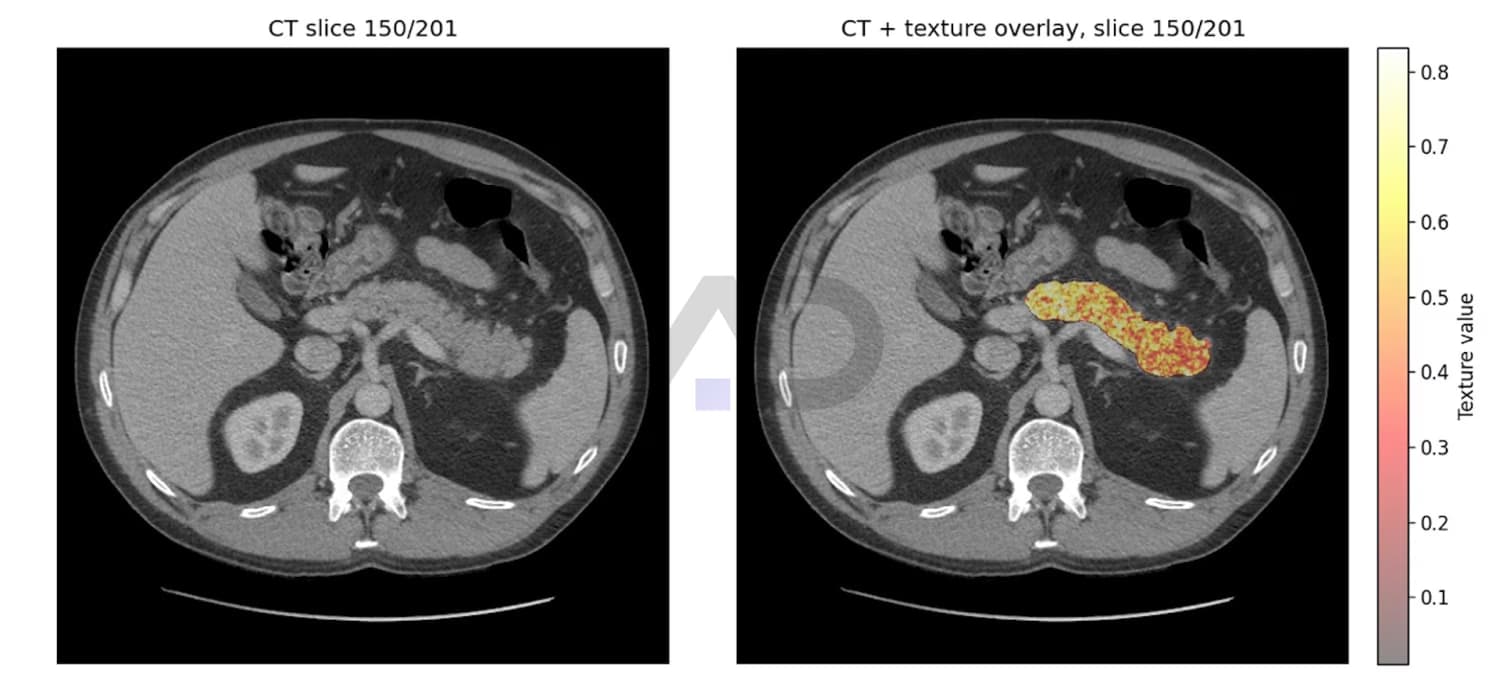
Pancreatic cancer is often diagnosed too late for effective treatment. However, a new artificial intelligence (AI) model developed at Mayo Clinic can detect early signs of the disease before tumors become visible. According to research published in the journal Gut, this model can identify abnormalities in patients' CT scans up to three years before cancer diagnosis. The model performed three times better than human radiologists.
Pancreatic cancer is a serious disease expected to become the second leading cause of cancer deaths by 2030. About 80% of patients are diagnosed after the disease has progressed. The pancreas's deep location in the abdomen and the subtlety of early signs, which are often undetectable to the human eye, make early diagnosis difficult.
Dr. Ajit Goenka from Mayo Clinic stated that artificial intelligence detects abnormal cells protecting the cancer, making early diagnosis possible. The model can be especially useful for individuals with risk factors such as family history or diabetes. In cases detected early, additional blood tests and imaging methods can better monitor the disease.
This artificial intelligence model is currently in clinical trial phase, requiring 3-5 years of follow-up for conclusive results. Experts say early diagnosis could be a significant game changer in pancreatic cancer treatment. Additionally, progress is being made in other treatment methods such as mRNA vaccines and new drugs in the field of pancreatic cancer.
Such advancements offered by artificial intelligence in diagnostics are seen as a promising step for early detection and treatment of deadly diseases like cancer.