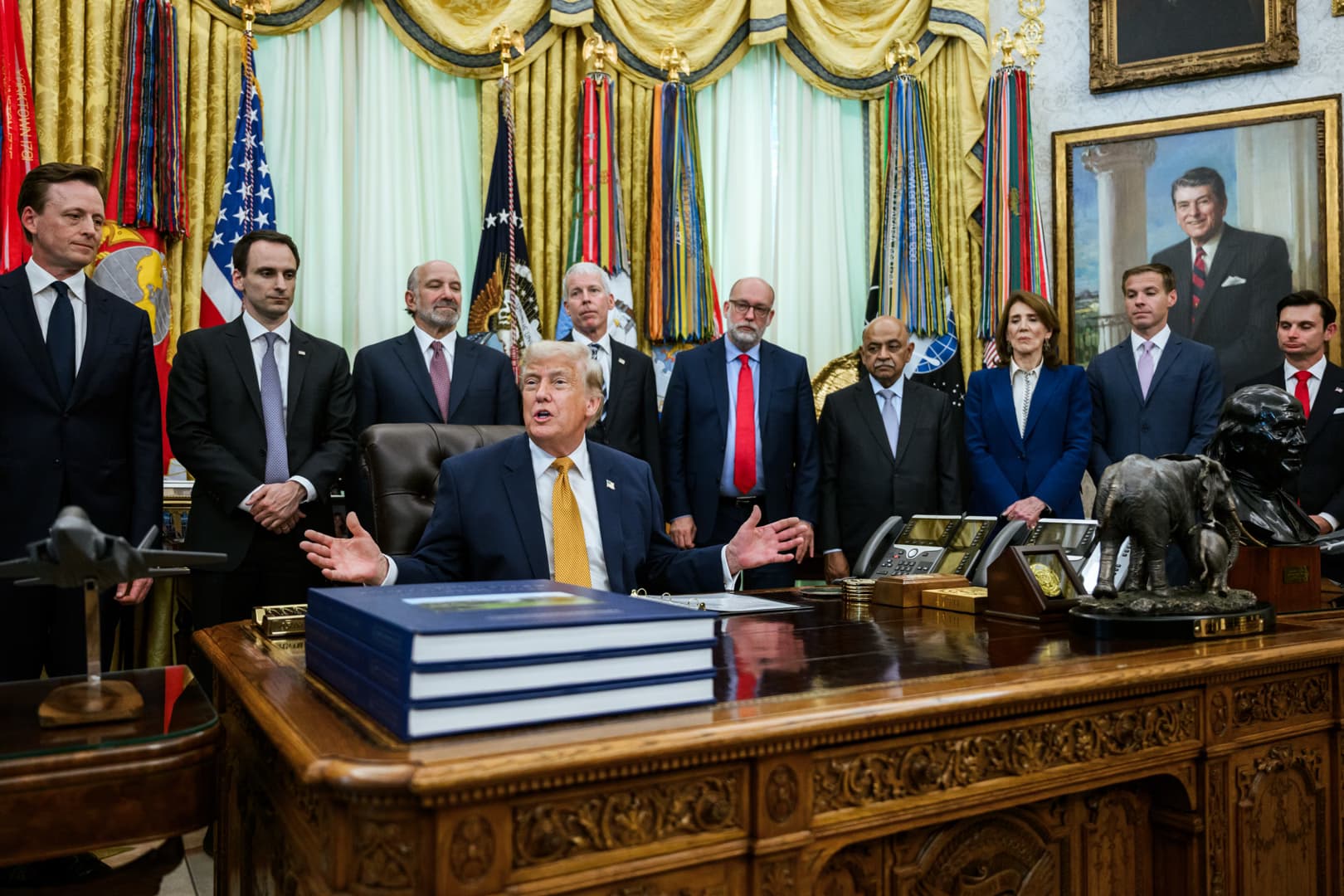
U.S. policy toward Iran has been expanded with new sanctions targeting its economic revenues and financing channels. U.S. Treasury Secretary Scott Bessent said an economic exclusion campaign had been launched against Iran and those supporting it at the direction of U.S. President Donald Trump.
Bessent said the campaign aimed to sever the economic channels he said were keeping Iran afloat and to maintain pressure on Tehran. He argued that the policy would create the necessary foundation for the U.S. goal of preventing Iran from acquiring nuclear weapons.
He said Iran had been offered two options
Bessent said the strength of the U.S. economy enabled it to conduct a prolonged financial operation, adding that Iran had to choose between complete global isolation with a subsistence economy and reintegration into the global economy.
Bessent said the Treasury Department had mapped the points of connection, intermediaries and networks Iran used for oil smuggling and sanctions evasion. He added that steps would be taken to target Iran’s Islamic Revolutionary Guard Corps and the revenue sources financing Iran.
Bessent said countries that purchase or transport Iranian oil, as well as those facilitating financial flows through foreign-exchange offices and free-trade zones, would also be targeted. He said such activities were no longer acceptable.
New sanctions target five sectors
Bessent said Trump had asked world leaders to end their relations with Iran and that results were beginning to emerge. He said countries facilitating economic engagement with Iran would face sanctions pressure if they failed to comply with U.S. demands.
Bessent said teams from the U.S. Treasury, State and Defense departments had held talks with counterparts in different parts of the world. He announced that the countries concerned had been given time to end the identified activities, adding that the U.S. Treasury Department would act unilaterally if those steps were not taken.
Bessent said entities facilitating money laundering on behalf of Iran would be excluded from the U.S. dollar system. He said the new sectoral sanctions covered digital assets, technology, gold, aviation and transportation. He added that the decisions would expand the risk of secondary sanctions for those continuing to do business with Iran.
The Treasury Department’s Office of Foreign Assets Control simultaneously imposed sanctions on more than 60 entities, individuals and vessels around the world identified as contributing to Iran’s illegal acquisition of nuclear and missile technologies, cyber operations and oil revenues.
Netanyahu backed the decision
Israeli Prime Minister Benjamin Netanyahu welcomed the U.S. decision to impose new sanctions on Iran and congratulated Trump and Bessent. A statement issued on Netanyahu’s behalf said the United States was right to demand a heavy price from Iran and those assisting it.
Bessent said those establishing economic ties with Iran would face consequences and stressed that U.S. policy would continue. He said countries supporting Iran had to choose between prosperity and isolation.