Brazil’s presidential election is also significant for the future of the country’s relations with the US and China. Latin America’s largest economy holds an influential position in regional politics, with its agricultural resources, critical minerals, freshwater and offshore oil reserves.
Around 159 million voters will go to the polls on Sunday. While 12 candidates are running for the presidency, the main contest is between Workers’ Party candidate and incumbent President Luiz Inacio Lula da Silva and Liberal Party candidate Senator Flavio Bolsonaro.
In one of the latest polls, Lula received 39% support in the first round, compared with 34% for Flavio Bolsonaro. The same poll projected that the two candidates would each receive 42% in a potential runoff.
How the election works and the timetable
If no candidate receives more than 50% of the valid votes in the first round, the two candidates with the highest vote totals will compete in a runoff. The second round is scheduled to take place on October 25.
Voting will begin at 8 a.m. Brasilia time and end at 5 p.m. Voters will elect the president, state governors, federal and state lawmakers, and two-thirds of the Federal Senate.
The candidates’ campaign promises
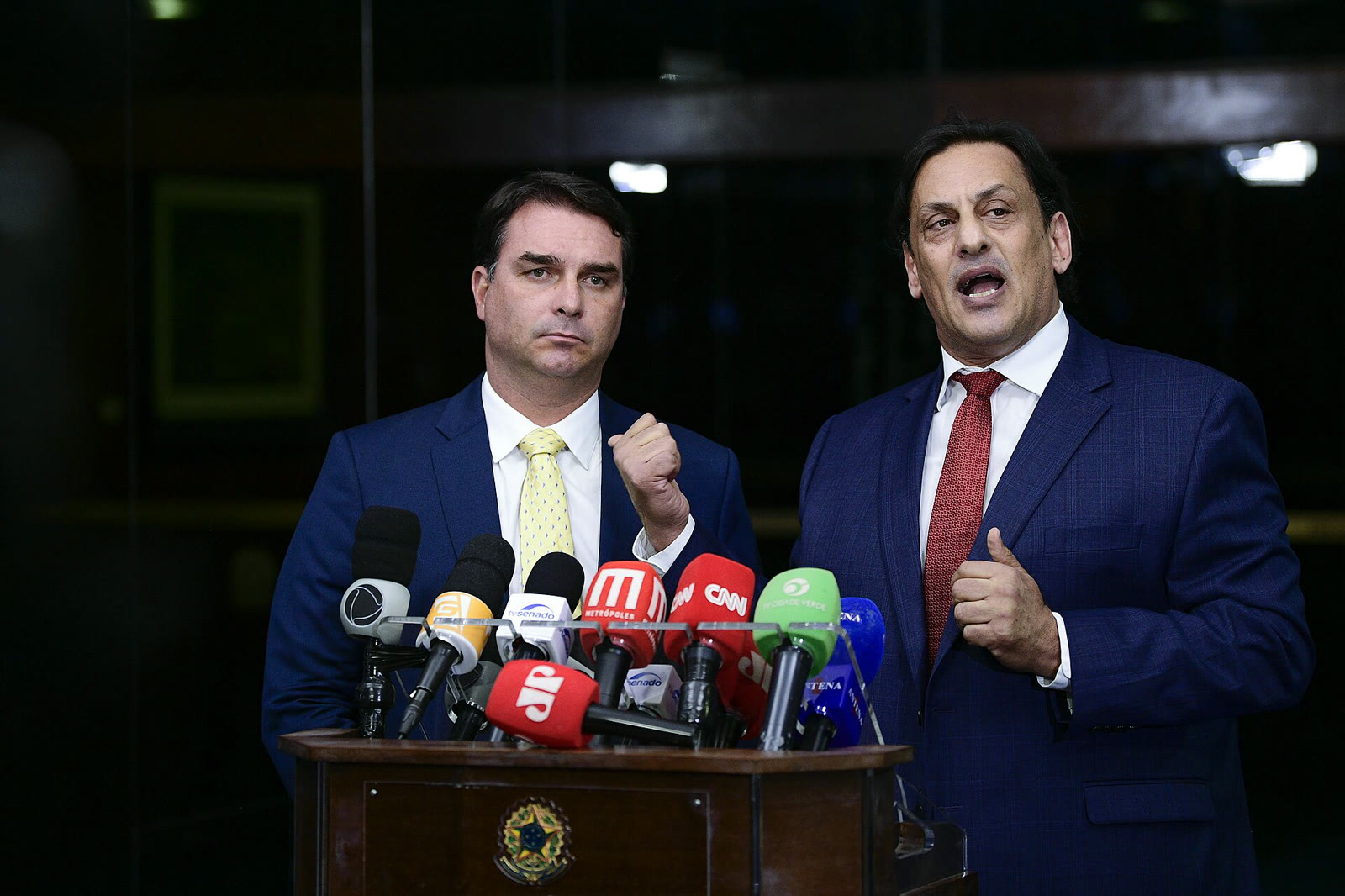
Flavio Bolsonaro, a 45-year-old lawyer and federal senator, represents the conservative political movement of his father, former President Jair Bolsonaro, in the election race. His campaign focuses on tougher public security policies, a market-oriented economy and conservative social values.
Flavio Bolsonaro is also under investigation in a corruption and money-laundering probe involving financial transactions linked to a biographical film about his father. Bolsonaro denies the allegations.
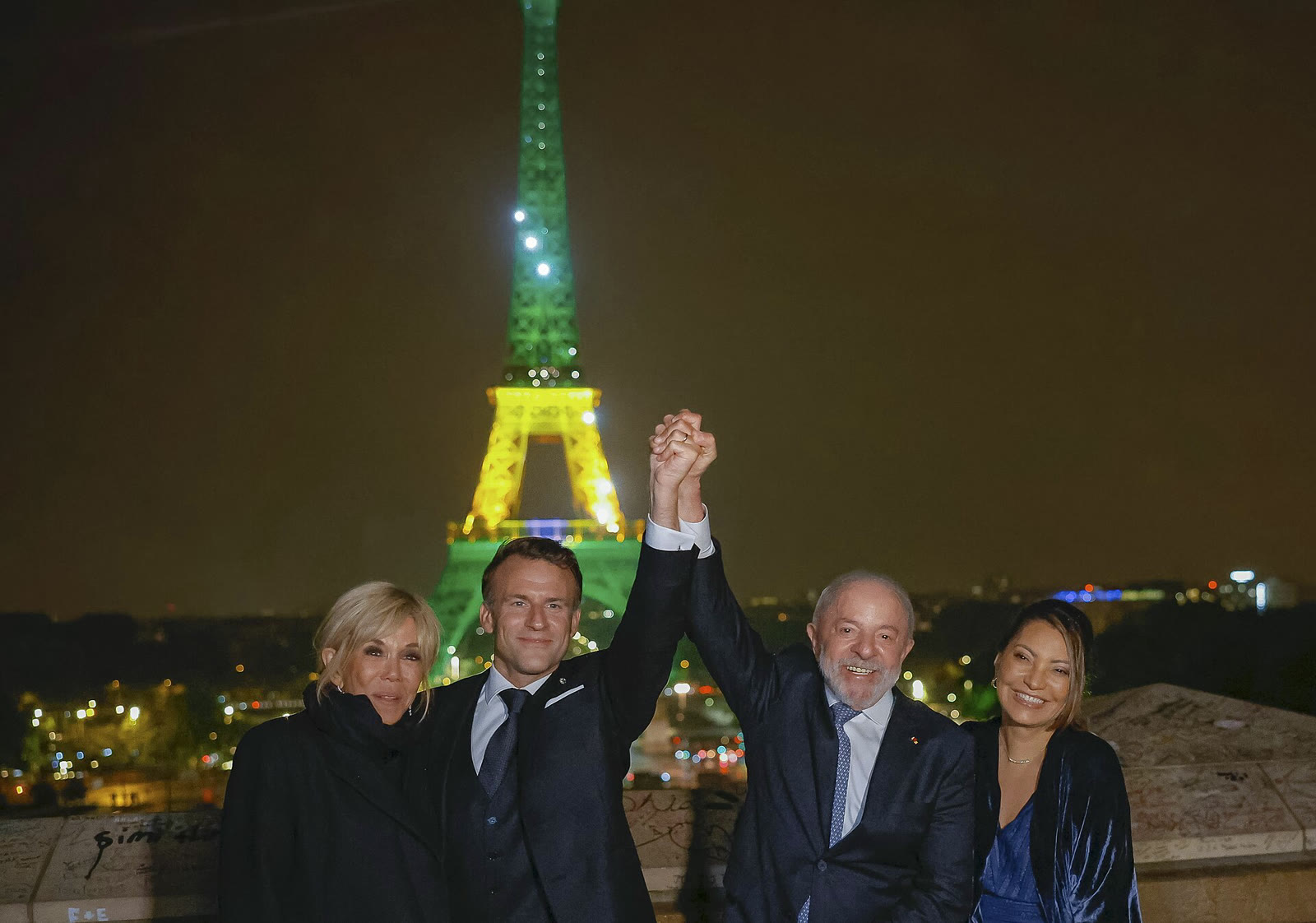
Eighty-year-old Lula is running for a fourth, nonconsecutive presidential term after serving from 2003 to 2010. Lula has again chosen Geraldo Alckmin as his running mate and supports social welfare, environmental protection, industrial investment and multilateral trade policies through BRICS.
Lula’s campaign is facing criticism over an investigation involving his son, Fabio Luis “Lulinha” da Silva. Brazil’s Supreme Court authorized a federal police investigation into suspicions of influence peddling and corruption, alleging that Lulinha helped a lobbyist gain access to Health Ministry officials. Lulinha’s lawyer questioned the legality of the investigation and argued that it could have a political motive.
Security concerns and voter interest
Public security has become one of the main concerns for voters, particularly those living in major cities. Flavio Bolsonaro supports tougher measures to combat crime and backs the designation of Brazilian drug gangs as terrorist organizations by the US.
Lula, meanwhile, is proposing the reestablishment of a dedicated ministry responsible for public security. Lucas de Souza Martins, who works on US politics and global relations at Temple University, said people in major cities do not feel safe in the streets and that political polarization has left voters fatigued.
Forty-seven percent of respondents in a Datafolha survey said public interest in this year’s election had declined compared with 2022. The proportion who believed interest had increased was 44%.
The runoff and the debate over democracy
If no candidate secures a majority in the first round, a three-week runoff campaign will begin. During this period, the direction taken by voters who support smaller candidates could prove decisive.

The impact of the events of January 8, 2023, continues to be felt in Brazilian politics. Thousands of supporters of former President Jair Bolsonaro stormed public buildings in Brasilia after his election defeat. Bolsonaro was convicted of plotting a coup to overturn the 2022 election results and sentenced to 27 years and three months in prison.
Rachel Meneguello, a professor of political science at the University of Campinas, said the political movement around Bolsonaro has retained a strong base despite the controversies and that the “Bolsonarismo” identity has strengthened it. Lula, meanwhile, has united a significant portion of left-wing voters around his candidacy.
US-China rivalry and Brazil’s position
Rachel Meneguello said preserving Brazil’s autonomy in foreign policy would be a key test as rivalry between the US and China continues. Lucas de Souza Martins said a victory for Flavio Bolsonaro could lead to greater political alignment with conservative governments in the Western Hemisphere, but that China’s position as Brazil’s largest trading partner would limit any major shift.
The election contest encompasses debates over the future of Brazilian democracy alongside the candidates’ policy preferences.























