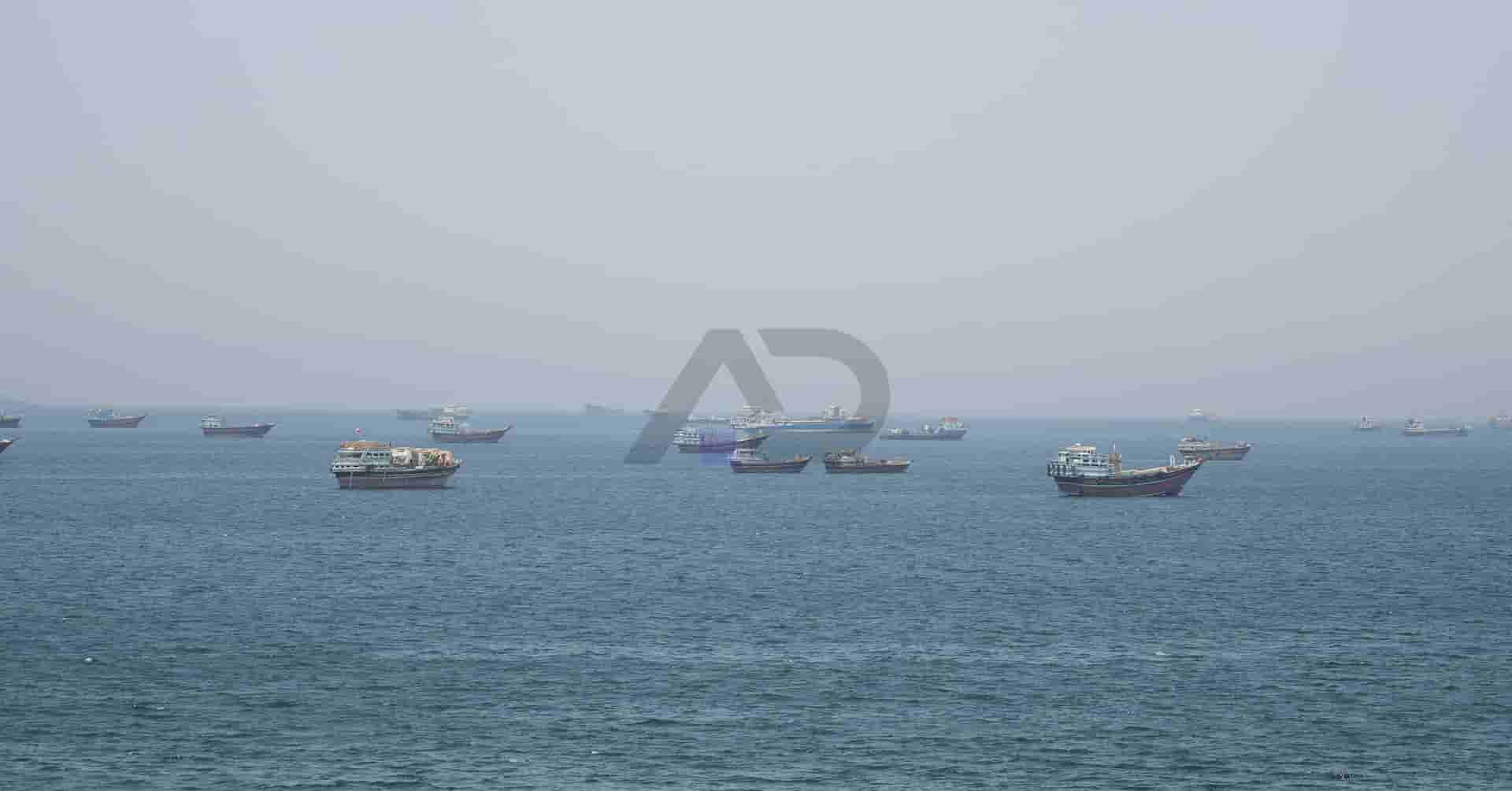
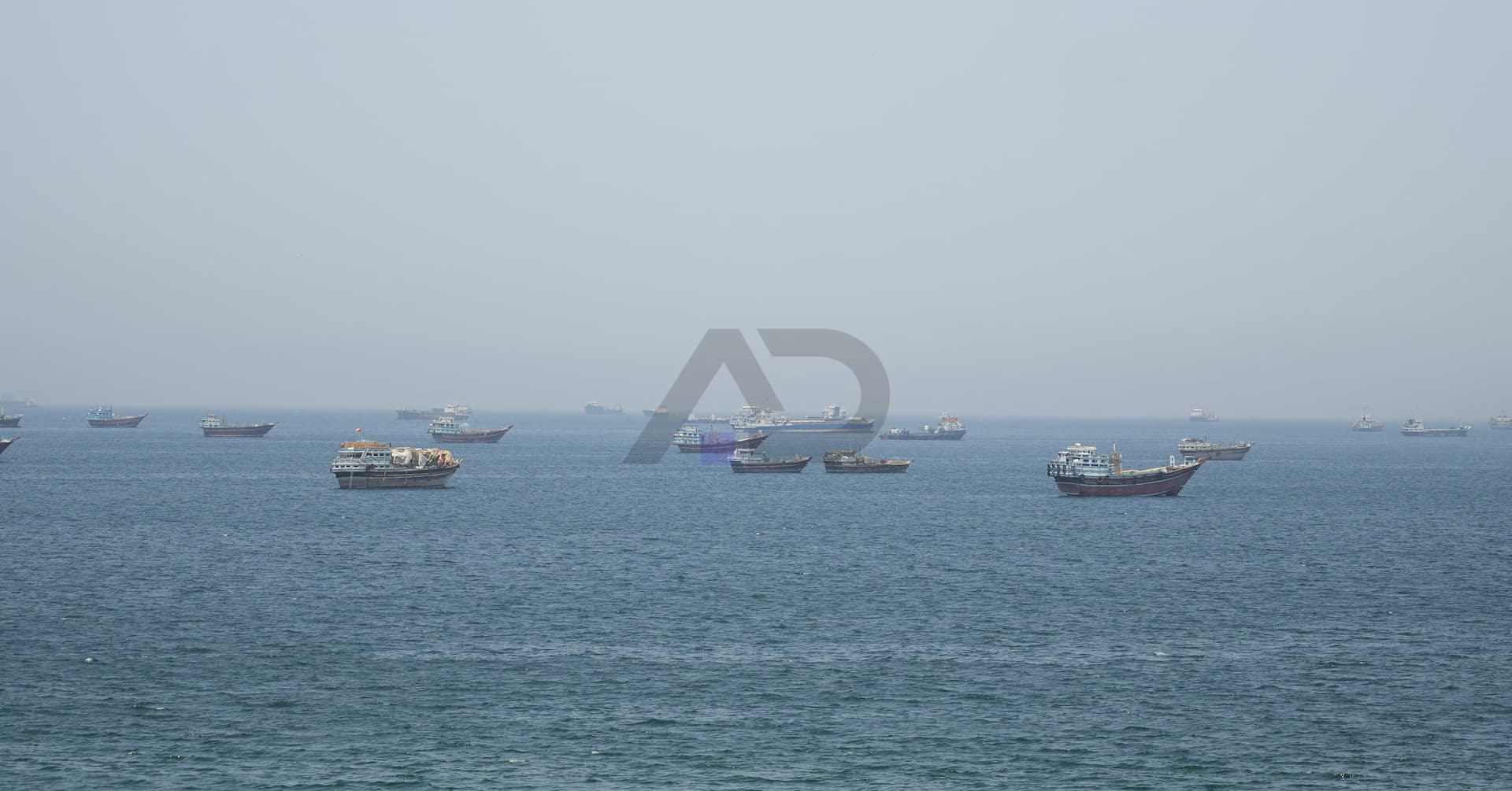
The sovereignty tension in the South China Sea has evolved into a multidimensional struggle between China and the Philippines, where law, military deterrence and alliance diplomacy are intertwined. China rejects the claims advanced by the Philippines through its closer ties with the US, while also bolstering its naval presence in the area.
China's Legal Objections
According to Chinese media, Beijing finds the Philippines' maritime jurisdiction claims lacking historical and legal basis. A report by China's Ministry of Natural Resources, cited by Xinhua news agency, states that Manila's expansion efforts since the 1970s towards the Huangyan (Scarborough) and Nansha (Spratly) islands in the South China Sea exceed the limits of international agreements and threaten regional stability.
The 2016 Arbitration Ruling and the US Connection
At the heart of the dispute lies the 2016 arbitration ruling, which the Philippines has adopted as a legal reference but China firmly rejects. According to an analysis by Asia Times, this ruling has become a "legal framework" that the Philippines consistently uses in its maritime policy, strengthening its diplomatic position. China's state-run newspaper Huan Qiu argues that the ruling lacks legal legitimacy and complicates the dispute.
The Philippines is pursuing a strategy of garnering international support by making this ruling part of its diplomatic discourse with partners like the US and Japan. China, on the other hand, views Manila's move as an attempt to internationalize the dispute and draw external powers into the region.
China's Response on the Ground and Regional Expansion
China's response is not limited to verbal protests. According to China Daily, Chinese coast guard vessels are conducting patrols and scientific research activities in disputed waters that Beijing says are under its jurisdiction. The same newspaper reported that Chinese Defense Ministry spokesperson Zhang Xiaogang stated that if provocative actions continue, the country will take strong measures to protect its sovereignty rights.
The maritime boundary delimitation talks between Japan and the Philippines have also drawn strong objection from China. Chinese Foreign Ministry spokesperson Mao Ning stated that these negotiations violate international law and impinge on China's sovereignty rights.
The Narrative Struggle and the Future
According to Huan Qiu newspaper, the Philippines is trying to reframe the dispute by presenting itself as the victim and leveraging concepts such as "freedom of navigation." China, for its part, emphasizes the need to return to historical facts and direct negotiations.
Asia Times' analysis reveals that legal instruments alone cannot resolve disputes, but they provide a framework to legitimize policies and constrain behavior. This multidimensional rivalry between China and the Philippines appears to be shaped by the parties' capacity to move towards a negotiation process that preserves regional stability.