- BIST10011,722-2.89%
- USD49.45+0.05%
- EUR55.62+0.37%
- GOLD4,181.10+0.26%
- INTEREST37.00%-1.00
- BITCOIN81,450-0.06%
- October 17, 202614°
- BIST10011,722-2.89%
- USD49.45+0.05%
- EUR55.62+0.37%
- GOLD4,181.10+0.26%
- INTEREST37.00%-1.00
- BITCOIN81,450-0.06%
- October 17, 202614°
China rejects India’s new names for 28 Ladakh border sites as ‘illegal’
India has put official names on 28 peaks, passes and valleys along its contested Himalayan frontier in Ladakh, including flashpoints from the deadly 2020 standoff, drawing a sharp rebuke from Beijing.
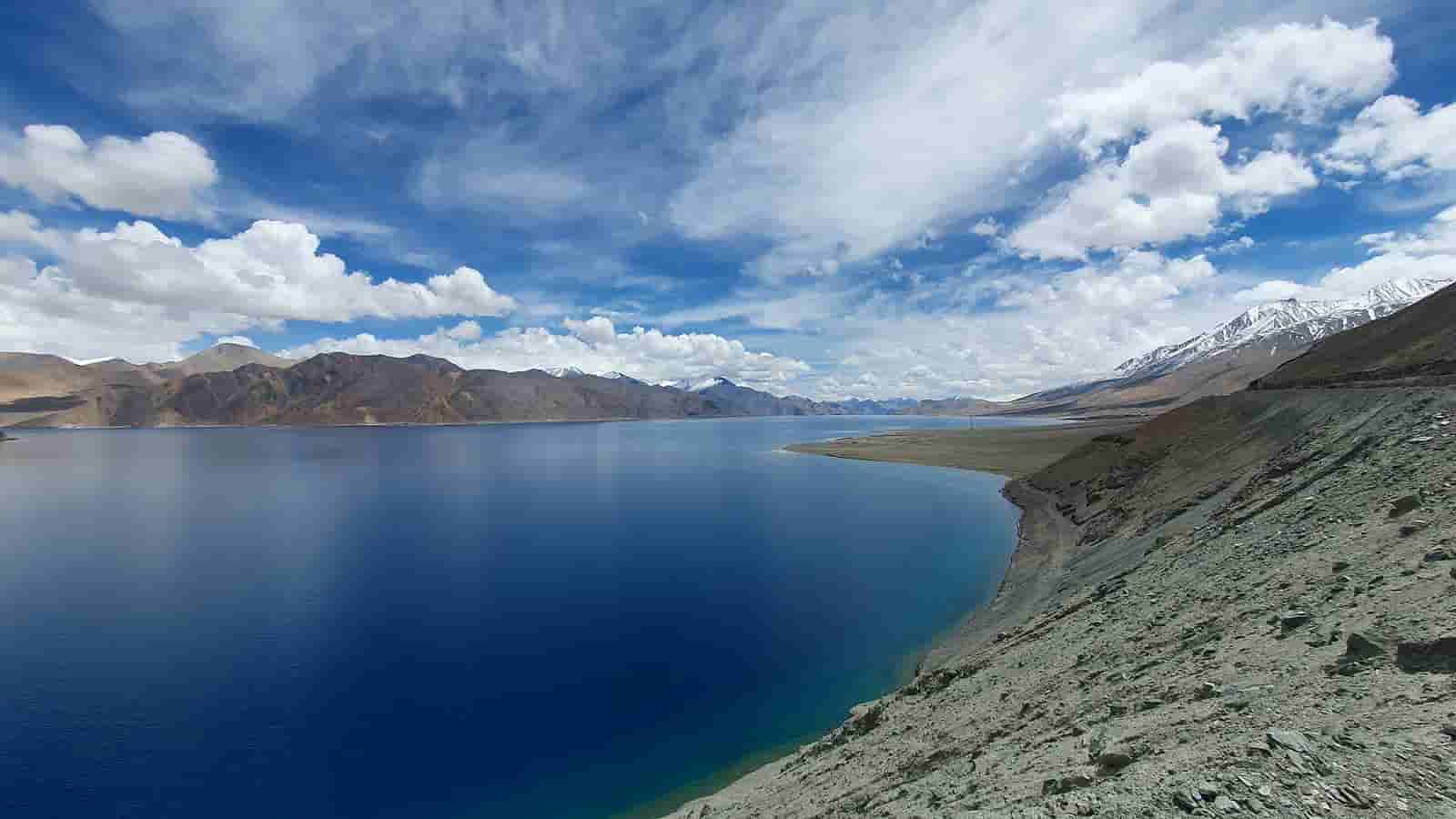
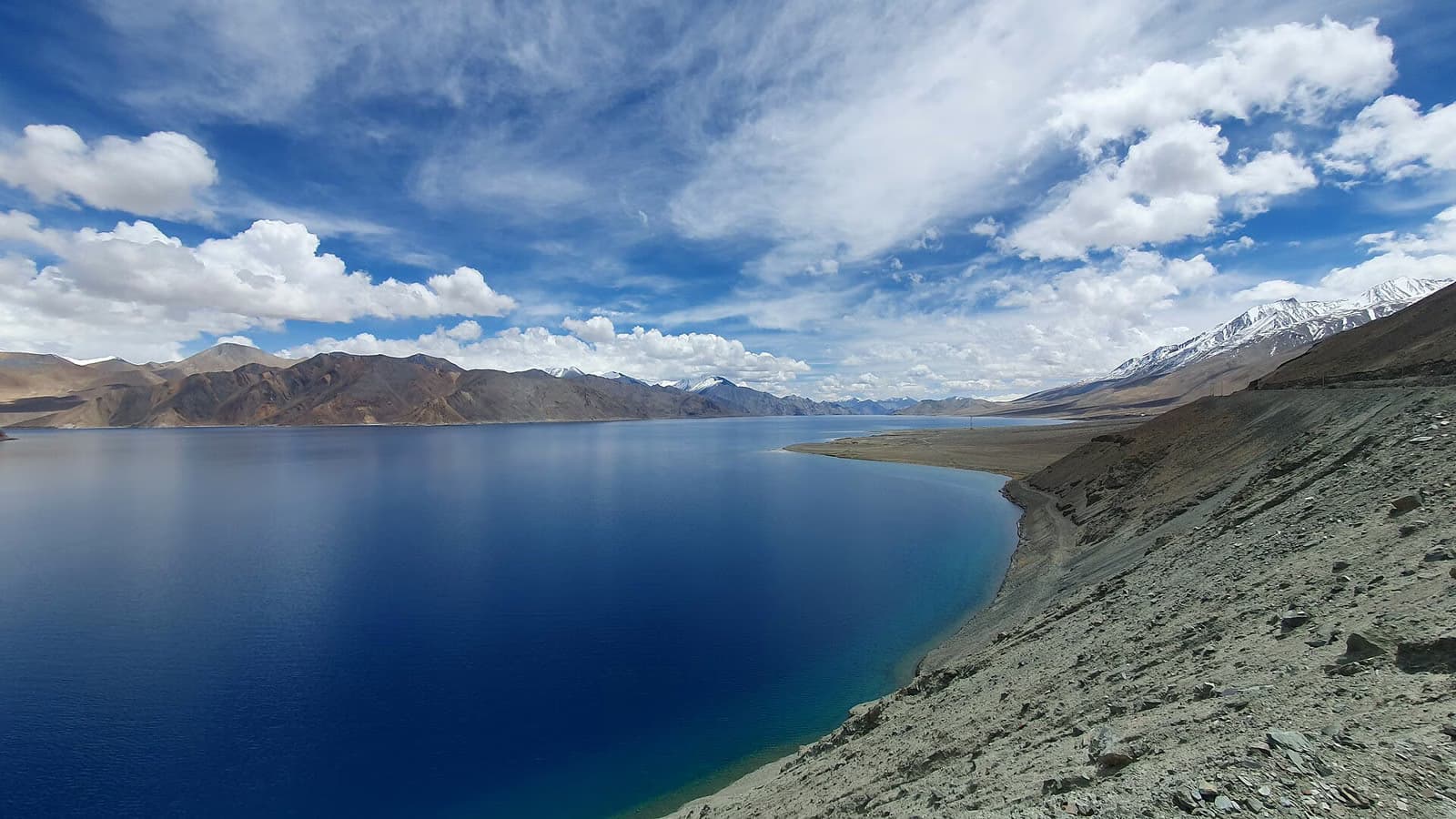
China has rejected as “illegal and invalid” India’s decision to assign official names to 28 locations in Ladakh, reopening a long-running dispute over the high-altitude frontier where the two nuclear-armed neighbors clashed in 2020.
“China has never recognized the so-called ‘Union Territory of Ladakh’ unilaterally and illegally established by India,” Chinese Foreign Ministry spokesperson Mao Ning told reporters in Beijing on Tuesday, Oct. 13, insisting that the areas belong to China.
What India did
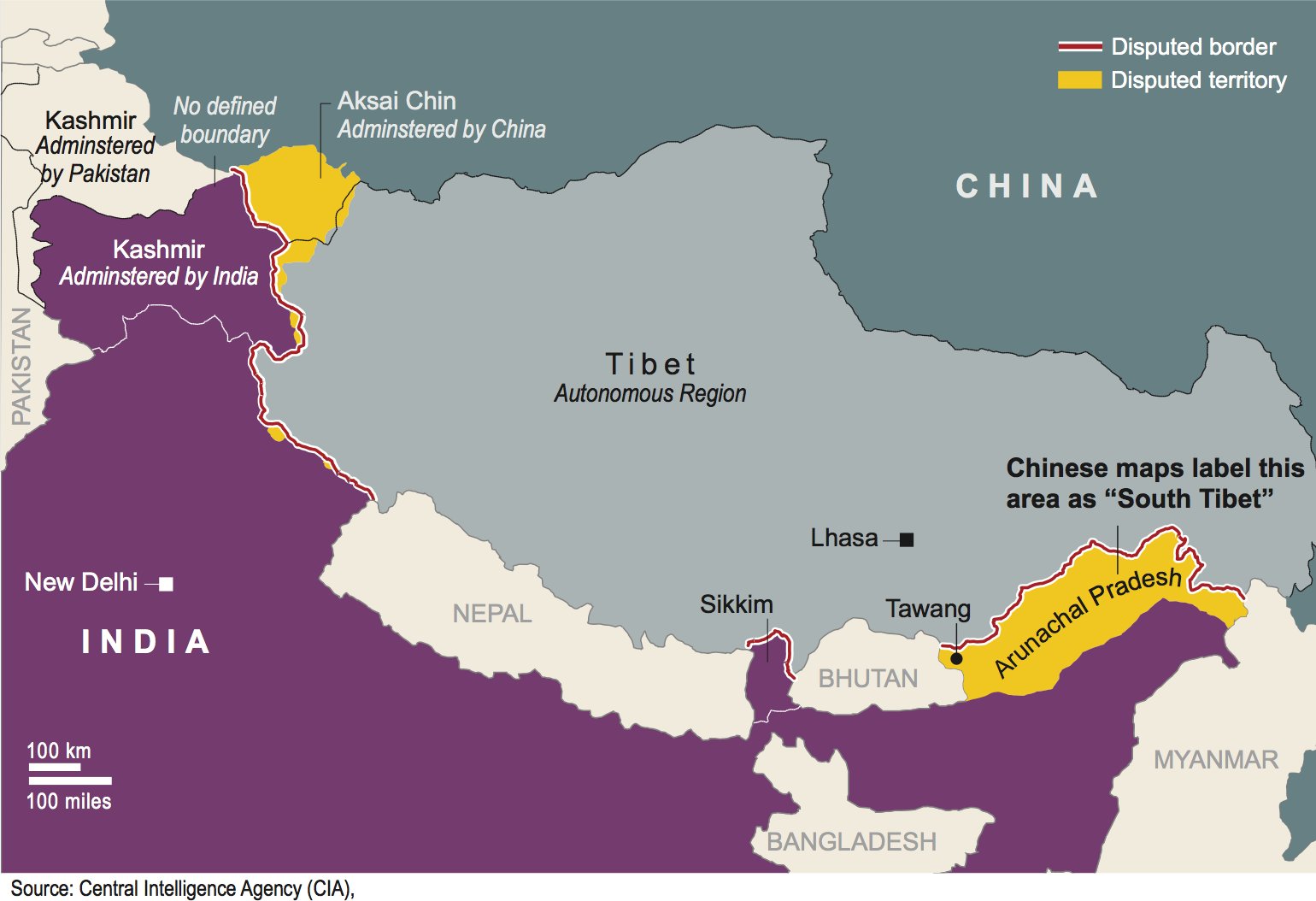
India’s Home Ministry announced on Oct. 2 that it had standardized the names of 28 strategic locations and geographical features — peaks, passes, glaciers and valleys — and marked them on official maps, in consultation with the Ladakh administration. New Delhi said the goal was to streamline official mapping, pinpoint locations precisely and raise public awareness of the border area.
Among the names are Gogra and Hot Spring, two friction points from the 2020 standoff that remain important for Indian army patrols, along with Kanishka Peak, Zorawar Peak and Shamal Lungpa. Indian media reported that New Delhi stands by its position that Jammu and Kashmir and Ladakh are an integral part of India.
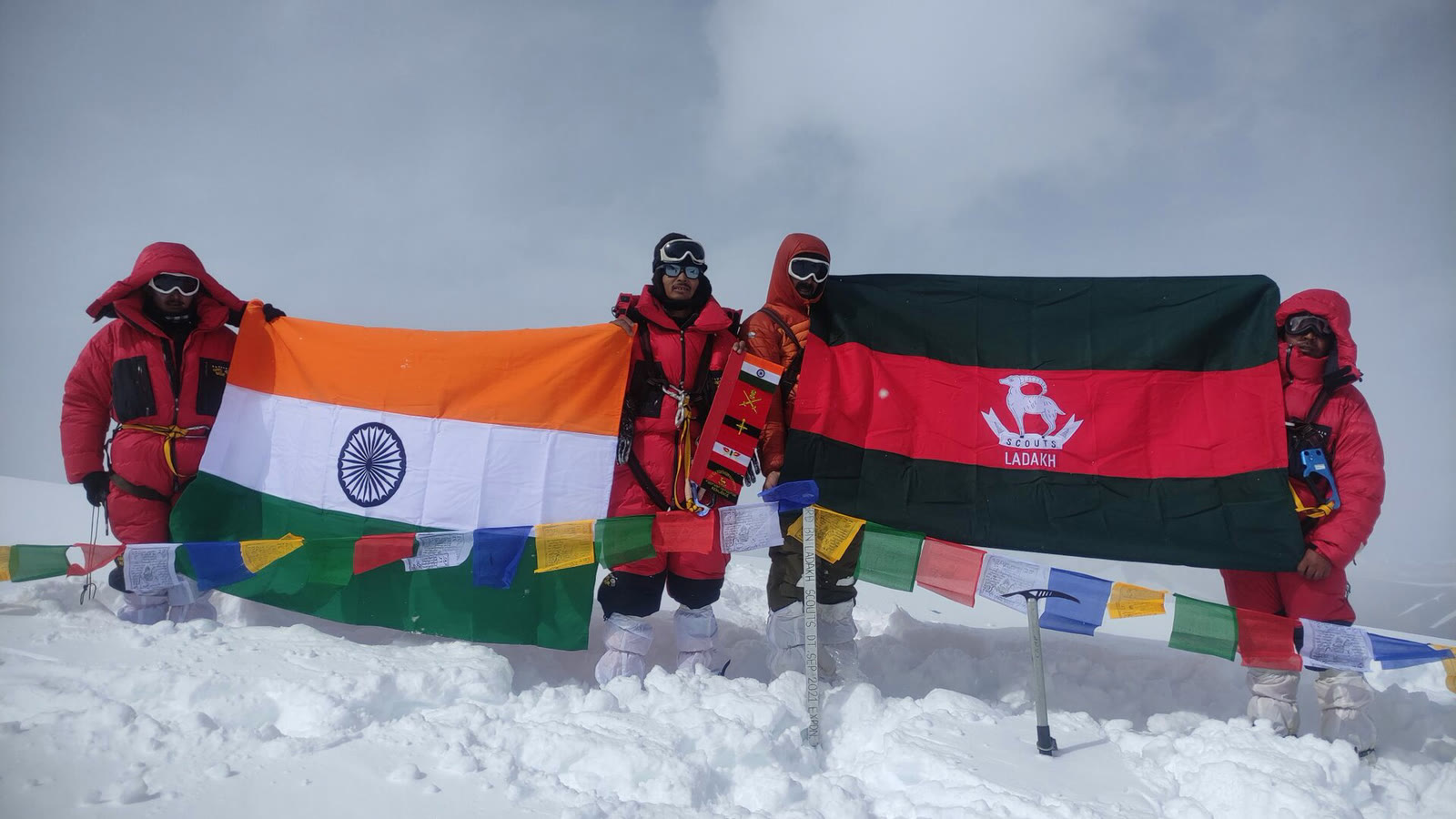
Tit-for-tat naming
The move mirrors Beijing’s own practice. China has repeatedly released “standardized” Chinese names for places in Arunachal Pradesh, the Indian state it claims as South Tibet, and India has dismissed those lists as invented names that do not change facts on the ground.
Tensions along the Line of Actual Control flared in May 2020 and turned deadly in June that year, when 20 Indian soldiers were killed in hand-to-hand fighting in the Galwan Valley. Both sides have since disengaged from several flashpoints, but the boundary remains undefined.
Stay Updated with Ally Daily
Subscribe to be informed about special news, developments and announcements. We will keep you informed.
By signing up, you agree to our Privacy Policy