- BIST10011,722-2.89%
- USD49.45+0.05%
- EUR55.62+0.37%
- GOLD4,181.10+0.26%
- INTEREST37.00%-1.00
- BITCOIN81,450-0.06%
- October 17, 202614°
- BIST10011,722-2.89%
- USD49.45+0.05%
- EUR55.62+0.37%
- GOLD4,181.10+0.26%
- INTEREST37.00%-1.00
- BITCOIN81,450-0.06%
- October 17, 202614°
China’s ‘artificial sun’ campus opens as BEST reactor assembly reaches critical stage
China’s BEST tokamak in Hefei, targeting up to 200 megawatts of fusion power, is due for completion by the end of 2027, with a power-generation demonstration planned around 2030.
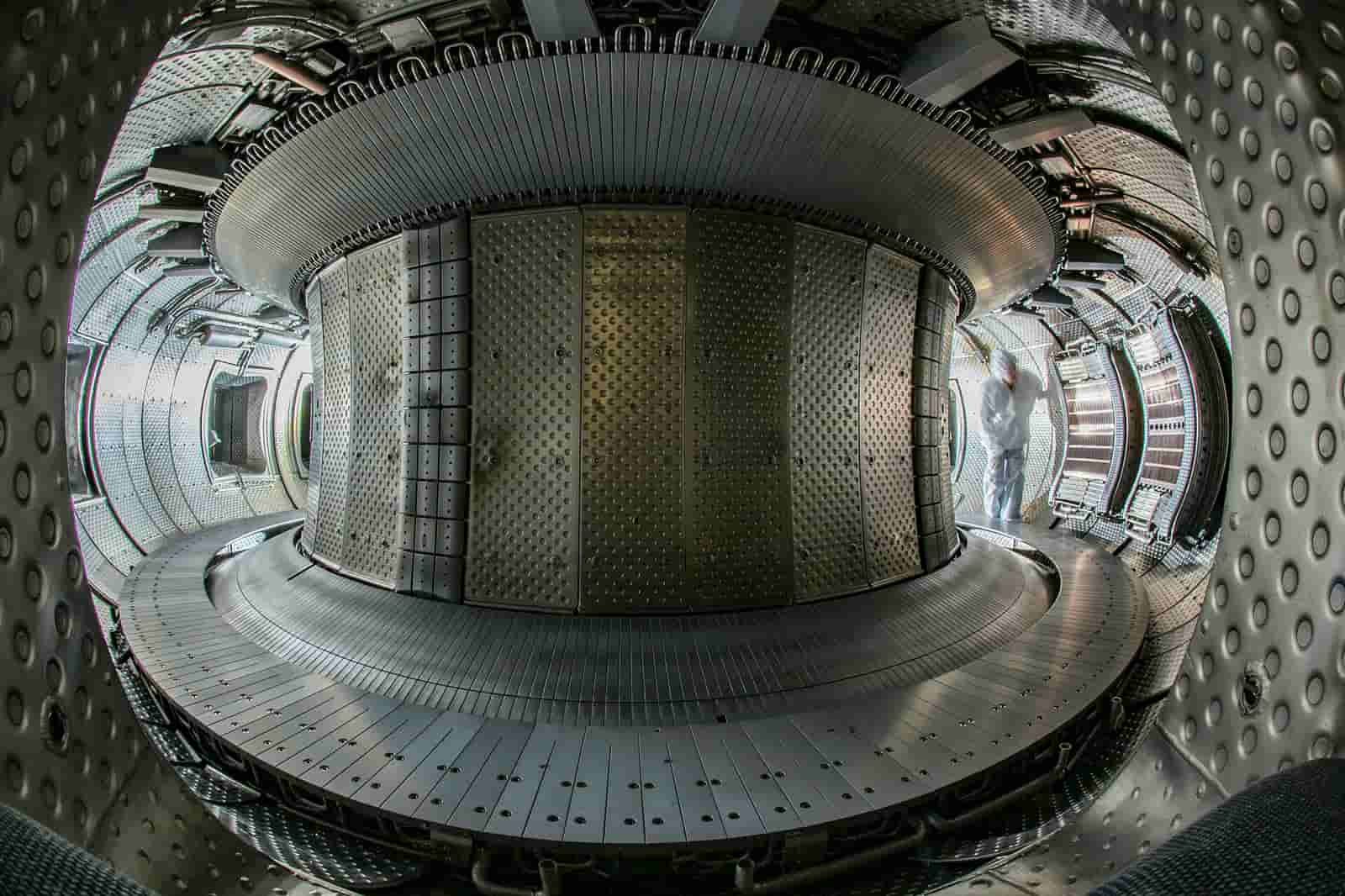
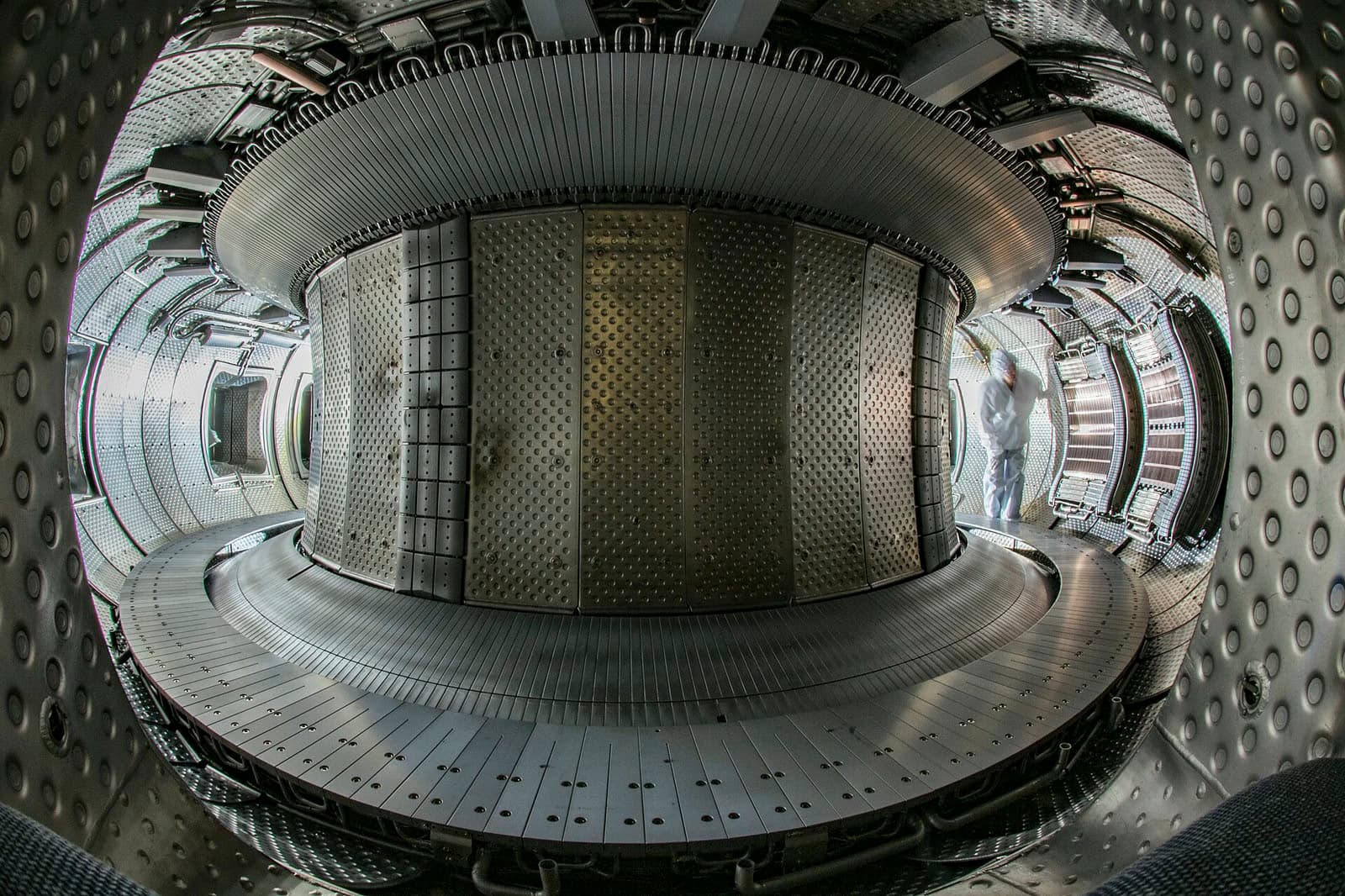
China has moved its next-generation fusion reactor, the Burning Plasma Experimental Superconducting Tokamak (BEST), into a critical stage of construction.
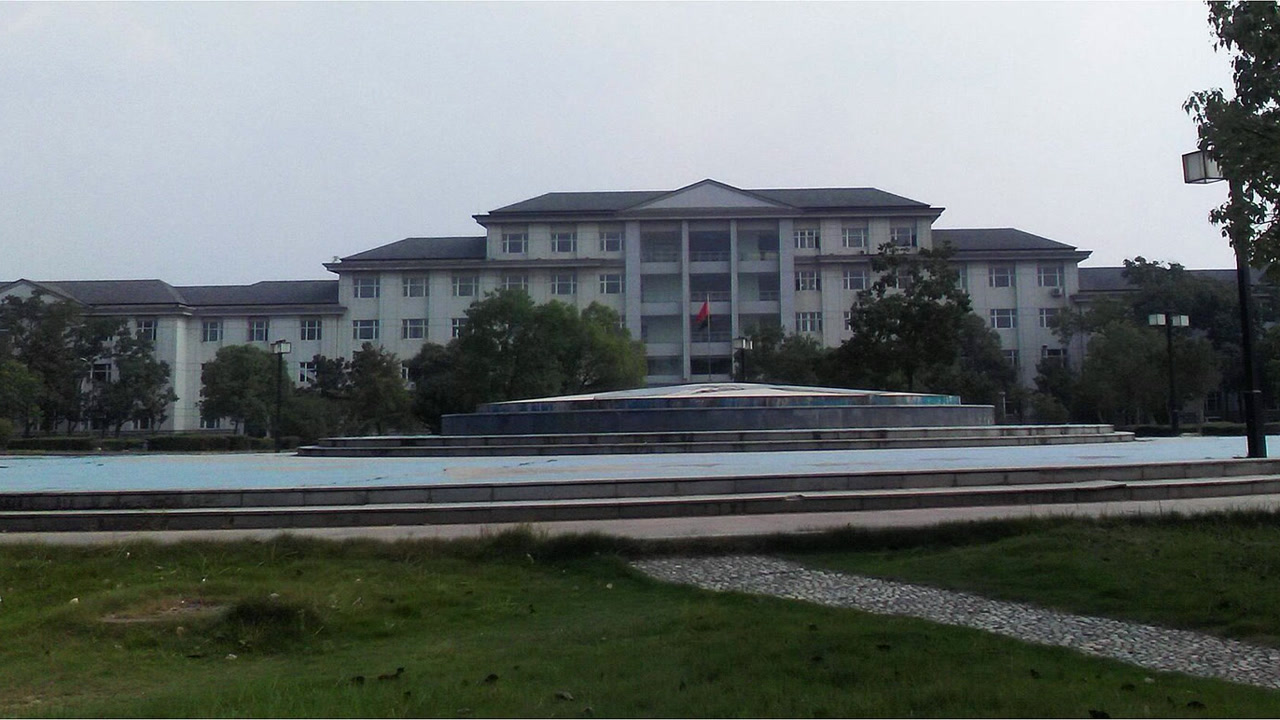
The project campus in Hefei, Anhui province, was officially delivered and put into use, China Central Television reported on October 1. Construction of the main machine has entered a "four-layer nested assembly" phase: a vacuum vessel at the core, wrapped by a thermal shield and toroidal field magnets, followed by the installation of internal precision components.
Targeting net energy gain
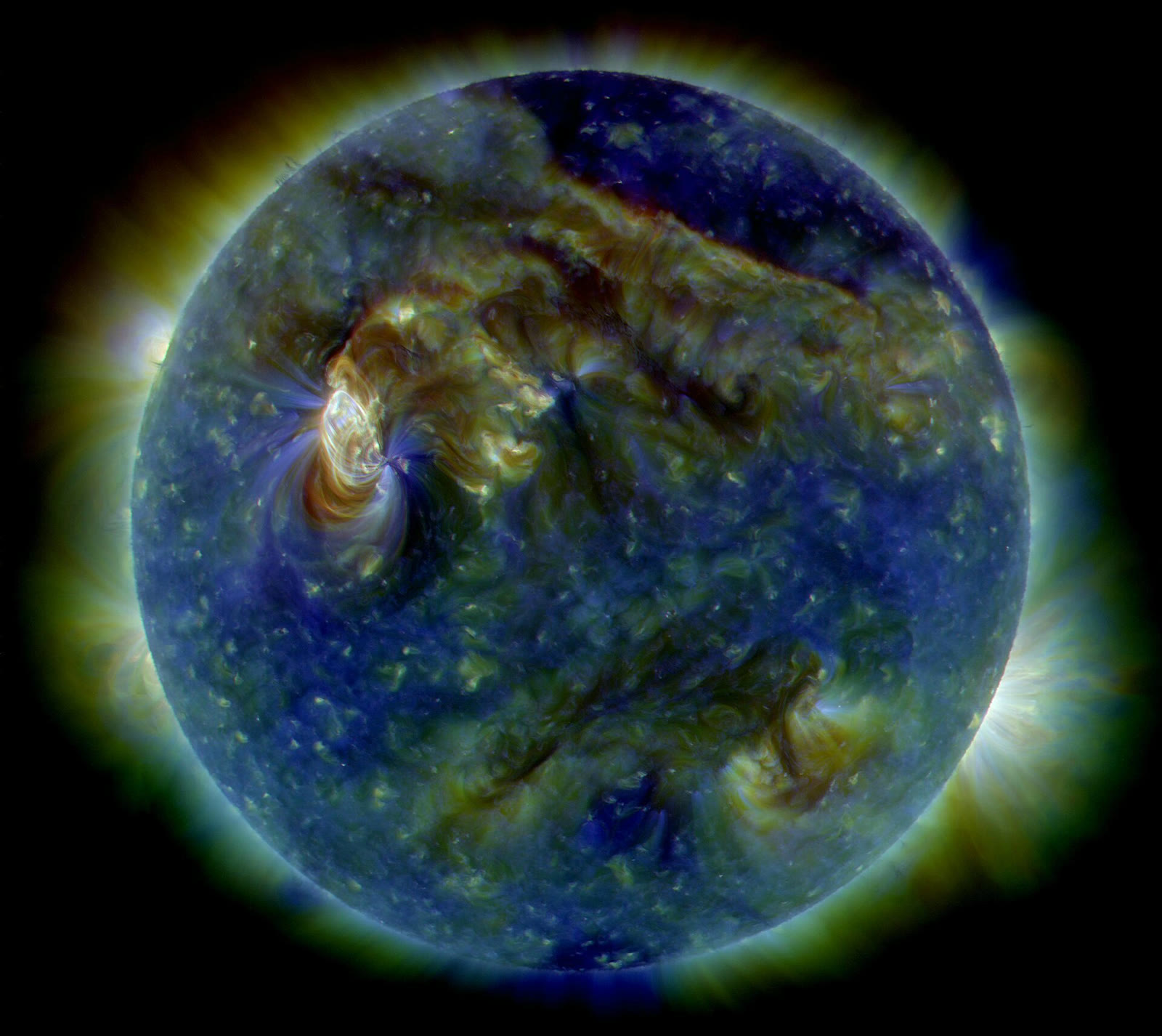
Multiple key components have been delivered since July, and more than half of the planned tasks have been completed, according to CGTN. Built by the Chinese Academy of Sciences’ Institute of Plasma Physics, BEST is scheduled for completion by the end of 2027 and is designed to run deuterium-tritium burning plasma experiments producing 20 to 200 megawatts of fusion power with net energy gain.
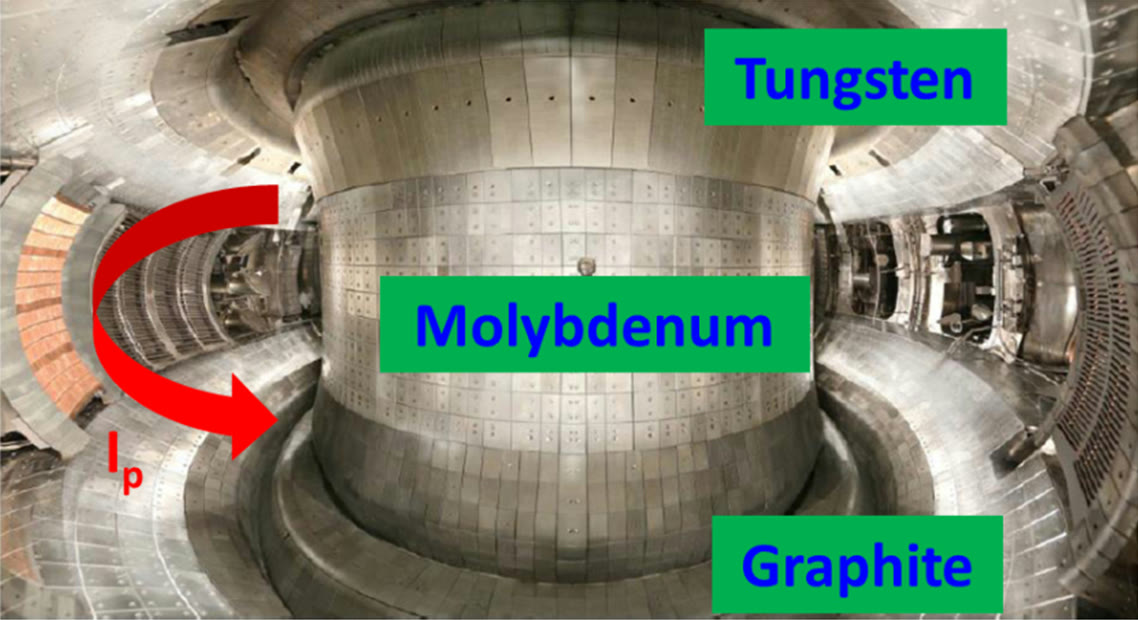
Under China’s fusion roadmap, the reactor is expected to demonstrate fusion power generation around 2030. Inside the machine, the toroidal field magnets create an ultra-strong magnetic field that keeps the superheated plasma from touching the vessel walls.
Stay Updated with Ally Daily
Subscribe to be informed about special news, developments and announcements. We will keep you informed.
By signing up, you agree to our Privacy Policy