The effects of climate change are becoming increasingly visible in American household budgets. Extreme floods, wildfires, and heatwaves are creating additional costs across multiple categories, from electricity and insurance to health care and food.
Kimberly Clausing, a professor at the University of California, Los Angeles School of Law, said families are paying an extra $400 to $900 per year due to the impacts of climate change. A study she co-authored found that in the hardest-hit regions, this burden exceeds $1,300.
The study notes that households in states such as Florida, Louisiana, Nebraska, Colorado, and California face higher costs. It also states that rural areas bear a significant burden, with total costs reaching the highest levels in some places.
While the annual inflation rate announced by the Commerce Department for May rose to 4.2%, many Americans associate their cost-of-living struggles with climate change. According to a new survey by the Yale Program on Climate Change Communication, two-thirds of voters believe global warming has at least somewhat affected their cost of living.
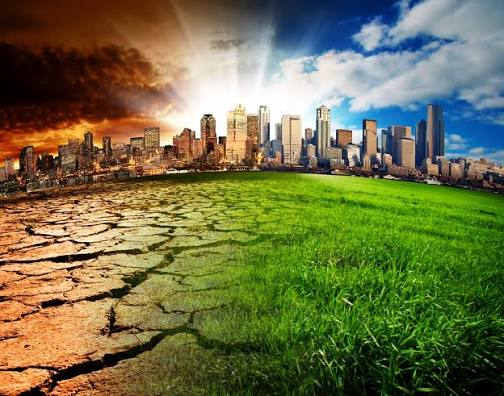
In the same survey, most of those who held this view said climate change has increased their grocery bills, electricity costs, and home insurance premiums. A notable share of Republican voters also links rising costs to global warming.
Multiple factors lie behind the increase in electricity prices. In California, power companies are upgrading infrastructure to reduce fire risk; in the Southeast, costs of rebuilding after hurricanes and floods are passed on to customers. In Arizona, scorching heat forces air conditioners to run longer, driving up bills.
According to Clausing's research, the average annual increase in electricity bills is around $35, but the largest line item is homeowners' insurance premiums. Households are paying an average of $356 more per year for this category.
Clausing said the insurance premium on her home in Portland rose from about $1,000 to $2,200 over five years, with the insurance company attributing the increase to covering wildfire losses in Oregon.
The study shows that the health impacts of climate change also create an economic burden. More frequent wildfire smoke leads to premature deaths and associated economic losses, which are estimated to cost American households an average of $103 per year.
Lengthening allergy seasons and the spread of ticks and mosquitoes to new regions due to warming temperatures are also increasing health risks. Anthony Leiserowitz, director of the Yale Program, emphasized that these health effects are not being adequately communicated to the public, noting that climate change directly affects people's lives.
Measuring the impact on food prices appears to be more difficult. Catherine Wolfram, a professor at the MIT Sloan School of Management, said that because the U.S. food supply comes from different parts of the world, it is difficult to directly trace the effect of a drought or heatwave in a single region.
Nevertheless, other research shows that hot summers can raise food prices, and these increases are expected to become more pronounced as the world warms. Clausing argues that climate policies should be designed without burdening low-income families, and that discounts and similar mechanisms could alleviate the pressure.
}}},
























