- BIST10011,908+0.55%
- USD50.28+0.05%
- EUR55.60-0.24%
- GOLD3,872.60-0.35%
- INTEREST36.00%-1.00
- BITCOIN64,570-1.14%
- November 16, 20262°
- BIST10011,908+0.55%
- USD50.28+0.05%
- EUR55.60-0.24%
- GOLD3,872.60-0.35%
- INTEREST36.00%-1.00
- BITCOIN64,570-1.14%
- November 16, 20262°
Comment period closes Friday on DHS plan to scrap deference in H-1B renewals
The Department of Homeland Security wants USCIS officers to stop deferring to their own earlier approvals when foreign workers seek extensions. The proposal, which is not yet in force, would touch about 208,000 petitions a year for H-1B, L-1, O-1, TN and other visa holders.
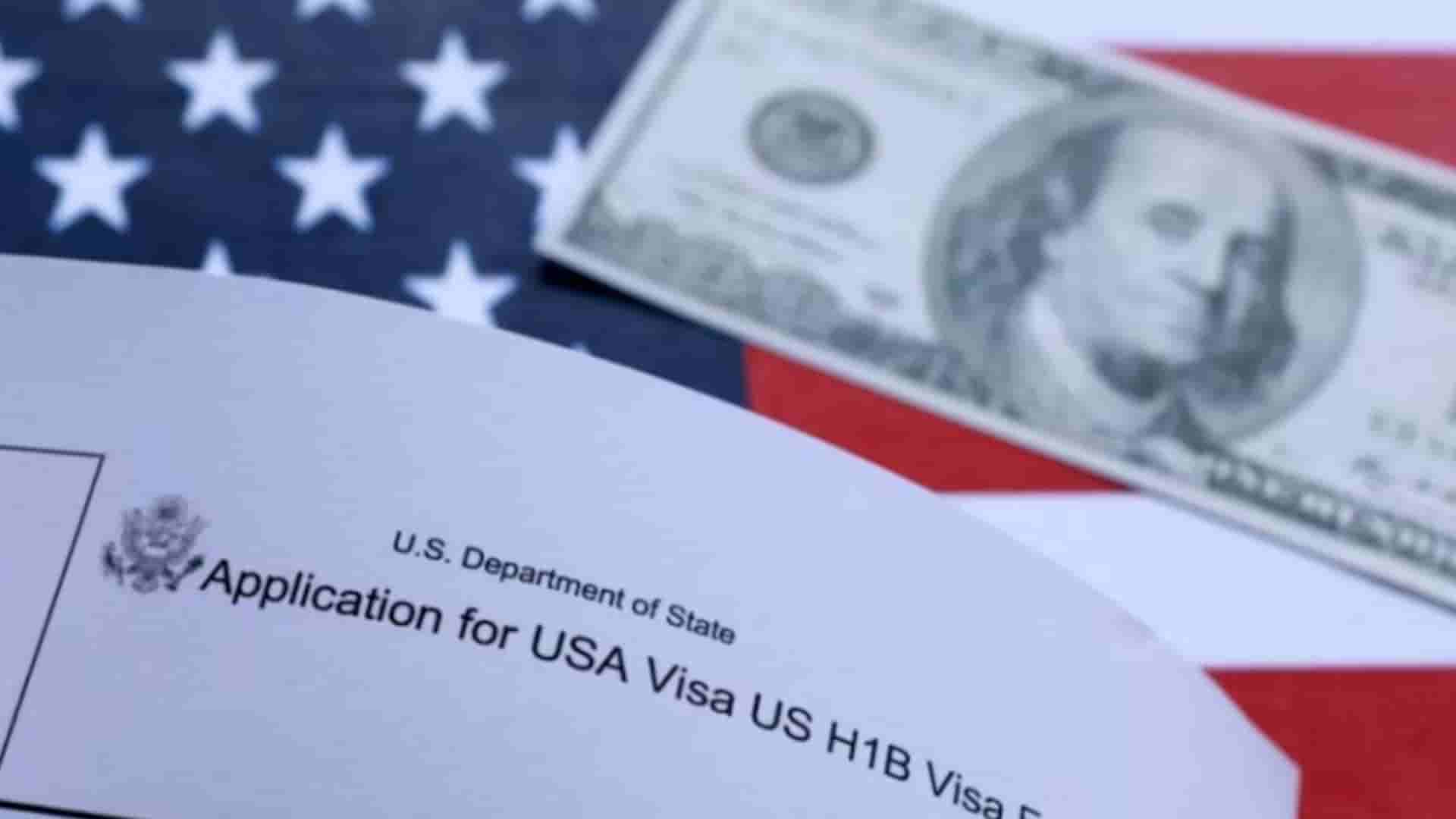
Employers and foreign professionals in the United States have until the end of Friday, Nov. 13, to comment on a Department of Homeland Security proposal that would make routine work-visa extensions harder to predict. The plan would remove the rule that tells U.S. Citizenship and Immigration Services officers to defer to an earlier approval when the same employer files to extend the same worker in the same job.
The proposed rule, titled "Removing Deference to Prior USCIS Determinations of Eligibility," was published in the Federal Register on Oct. 14 under docket USCIS-2026-0529. Its legal text is a single change: it deletes 8 CFR 214.1(c)(5). It is only a proposal. The current deference rule stays in force unless DHS reviews the comments and issues a final rule with an effective date.
Who would be affected
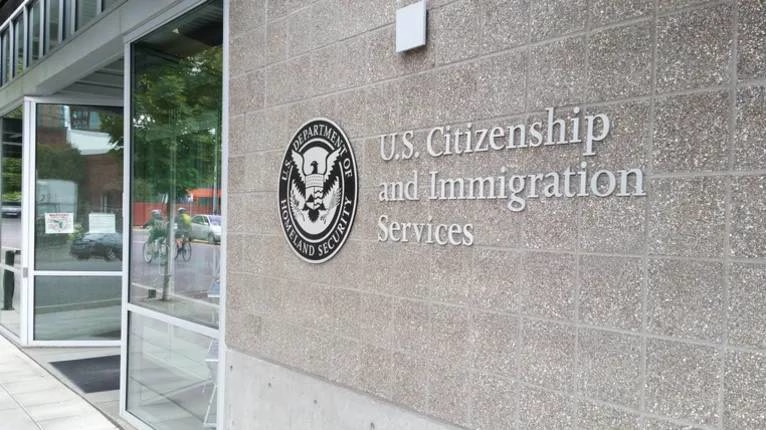
The change would apply to every extension filed on Form I-129, the petition used for H-1B, L-1, O-1, E, P and TN workers, among others. According to the proposal, an average of 208,429 petitions a year qualified for deference in fiscal years 2022 through 2025, about 30% of all I-129 filings.
DHS itself expects more paperwork. It estimates that removing deference would raise the rate of requests for evidence by 2.9 percentage points, or about 6,044 additional requests a year. Petitions that drew such a request took an average of 64 extra days to decide in recent years, the agency said, which could disrupt staffing plans and leave workers uncertain about their status.
Under today's rules, an officer who decides not to defer must acknowledge the earlier approval, explain the decision, get a supervisor's sign-off and give the employer a chance to respond. Those safeguards come from USCIS guidance tied to the deference rule.
The administration's case and the pushback
DHS argues that deference shifts the burden of proof away from petitioners and lets a questionable first approval serve as an "anchor" for later filings. It cites USCIS site visits showing combined noncompliance or fraud of 22.39% in H-1B extension cases from fiscal 2022 to 2025, when deference was in place, compared with 16.77% from 2018 to 2020, when it was not. The agency says the change would also better protect U.S. workers.
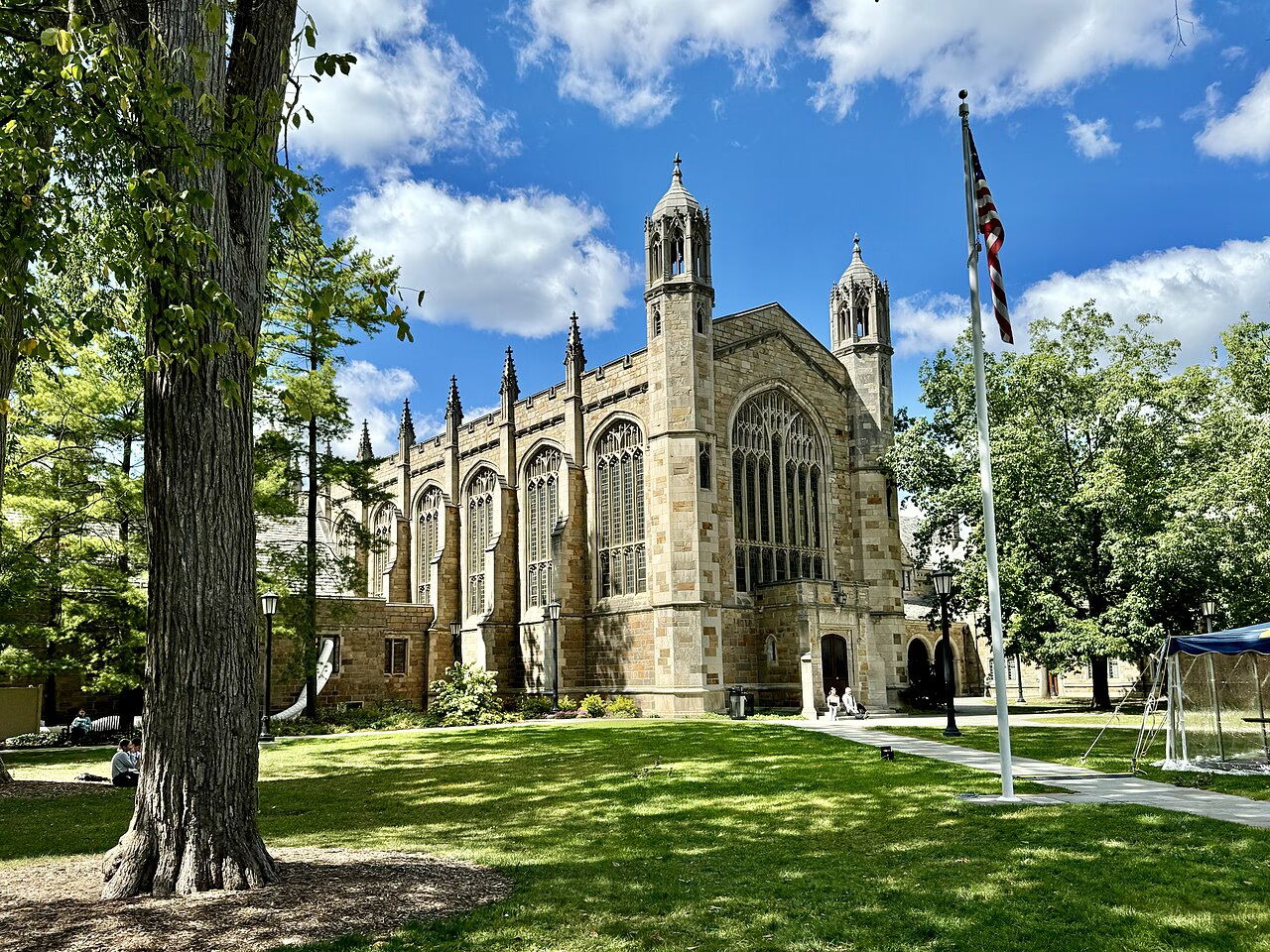
The University of Michigan has urged the government to withdraw the plan. In comments described by IANS, the university said officials could reach a different conclusion without explaining why they were departing from an earlier decision, "increasing uncertainty and the burden on petitioners seeking extensions of status." It argued that USCIS already has the power to correct approvals made in error.
Deference has switched on and off several times since USCIS first adopted it in a 2004 memo. It was rescinded in 2017, restored in 2021 and written into regulation in late 2024. The proposal also arrives alongside another DHS plan, whose comment period closed Nov. 10, to end the 60-day grace period for laid-off H-1B, L-1, O-1 and TN workers.
Photos: Reuters, SHRM, Wikimedia Commons
Stay Updated with Ally Daily
Subscribe to be informed about special news, developments and announcements. We will keep you informed.
By signing up, you agree to our Privacy Policy