US Vice President JD Vance, in a statement to Fox News, announced that negotiations with Iran in Switzerland could begin as early as Sunday. Vance indicated that he will personally travel to Switzerland in the coming days.
Vance stated that final preparations for the talks are complete and that diplomatic processes are often complex and require intensive groundwork. He said they are awaiting the arrival of representatives from Iran, Qatar, and Pakistan to Switzerland.
Responding to a question about when the talks would begin, Vance said, "As early as tomorrow. We will begin negotiations when officials from the governments of Iran, Qatar, and Pakistan arrive."
Vance Expresses Confidence
On another note, Vance expressed that Washington has great confidence in maintaining the current ceasefire, stating it is possible despite potential differences in strategic implementation.
While acknowledging some disagreements within the Israeli government, Vance emphasized that US President Donald Trump's stance on negotiations with Iran is clear and determined.
Statement from Iran
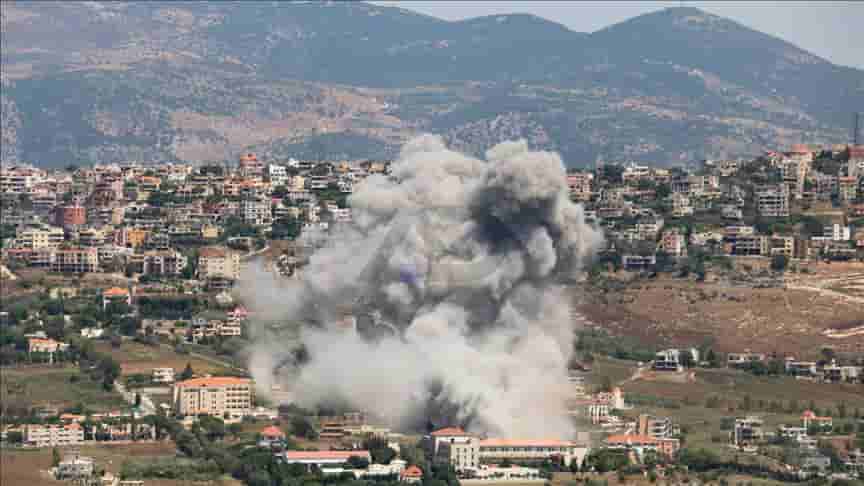
Previously, Iranian Foreign Ministry Spokesman Ismail Bakayı announced on Saturday that a delegation from Iran would depart for negotiations with the US in Switzerland to discuss the implementation of the Memorandum of Understanding and the cessation of Israeli attacks on Lebanon.
Bakayı said the start of negotiations on a final agreement depends on the implementation of the five articles contained in the Memorandum of Understanding. He stated the purpose of the delegation's visit is to demand and follow up on the other party's fulfillment of its obligations.
Memorandum of Understanding
Iran and the US announced on June 14 that they had reached a 14-point memorandum of understanding through Pakistan's mediation. The memorandum, referred to as the "Islamabad Memorandum" and electronically signed by Iranian President Masoud Pezeshkian and US President Donald Trump on June 18, aims to stop the war and resolve disputes between the parties through dialogue and negotiations.
The memorandum contains articles covering issues such as ending the war in Lebanon, reopening the Strait of Hormuz, and lifting the US naval blockade on Iran.