- BIST10011,909+0.56%
- USD50.28+0.05%
- EUR55.60-0.24%
- GOLD3,866.00-0.52%
- INTEREST36.00%-1.00
- BITCOIN64,461-1.31%
- November 16, 20262°
- BIST10011,909+0.56%
- USD50.28+0.05%
- EUR55.60-0.24%
- GOLD3,866.00-0.52%
- INTEREST36.00%-1.00
- BITCOIN64,461-1.31%
- November 16, 20262°
Democrats set sights on Trump's 'Department of War' name and $23B battleship
After winning control of the House and Senate, Democrats plan to strip the Pentagon's "Department of War" rebrand from the annual defense bill and target the nuclear-armed Trump-class battleships, The Wall Street Journal reported. The first ship alone could cost up to $23 billion, according to the Congressional Budget Office.


Democrats are preparing to use their new majorities in Congress to block two of President Donald Trump's signature military projects: formally renaming the Defense Department the "Department of War" and building a new class of nuclear-armed "Trump-class" battleships, The Wall Street Journal reported Wednesday.
The plans follow last week's midterm elections, which handed Democrats control of both the House and the Senate. The new Congress will be sworn in on Jan. 3, giving Democrats fresh leverage over the administration's $1.5 trillion defense request and its national security agenda.
A fight over the Pentagon's name
The administration has used the "Department of War" name since Trump signed an executive order in September 2025, and Pete Hegseth now goes by secretary of war. But only Congress can change the department's legal name. The rebrand is written into both the House and Senate versions of this year's National Defense Authorization Act, the annual defense policy bill. The Senate Armed Services Committee adopted it in June, and the full House approved its version in July.

According to the Journal, Democrats are pushing to remove the provision during negotiations to merge the two bills into a final version. The Pentagon urged lawmakers in October to keep the measure in the bill.
Lasers, railguns and a $23 billion price tag
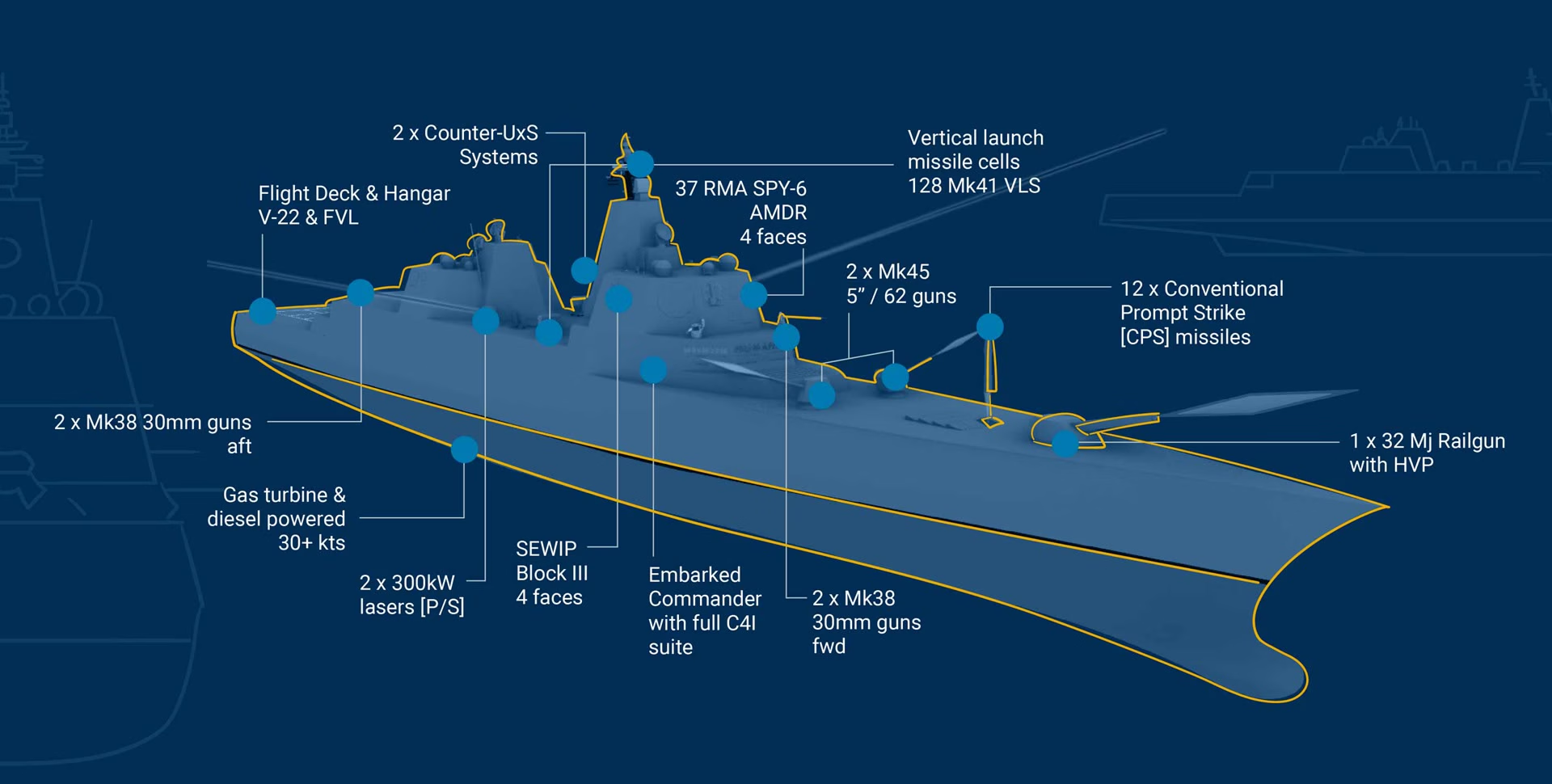
The second target is the Trump-class guided missile battleship, which the president unveiled last December. The 35,000-ton, nuclear-powered warship is designed to carry hypersonic missiles, nuclear cruise missiles, high-powered lasers and an electromagnetic railgun. It would be the largest surface combatant built for the Navy since World War II.
The Navy estimates the first ship would cost more than $17 billion, while the Congressional Budget Office puts it at about $23 billion. In an August report, the CBO estimated that the Navy's plan for 15 of the ships between 2028 and 2056 would cost $275 billion. Supporters argue the Navy needs larger, more heavily armed ships to confront emerging threats, especially from China, while critics question whether the vessels are the best use of defense dollars.
Rep. Adam Smith of Washington, the top Democrat on the House Armed Services Committee, has called for a sustainable national security strategy that does not require spending more than $1 trillion. He and Rep. Joe Courtney of Connecticut, the leading Democrat on the seapower subcommittee, have both been skeptical of the battleship program.
Golden Dome and the $1.5 trillion budget
Democrats are also weighing cuts to, or changes in, Trump's Golden Dome missile defense shield. The broader clash centers on the president's proposed $1.5 trillion military budget, which includes $1.1 trillion in base funding, $350 billion through budget reconciliation and $67 billion tied to the Iran war and National Guard deployments. Democrats have signaled they will reject the reconciliation route.
Their power has limits, however. Democrats will lack the two-thirds majorities in either chamber needed to override a presidential veto without Republican support.
Photos: social media, U.S. Navy
Stay Updated with Ally Daily
Subscribe to be informed about special news, developments and announcements. We will keep you informed.
By signing up, you agree to our Privacy Policy