- BIST10011,603-1.65%
- USD49.58+0.05%
- EUR55.62+0.09%
- GOLD4,148.60+0.14%
- INTEREST37.00%-1.00
- BITCOIN84,486+1.86%
- October 21, 202614°
- BIST10011,603-1.65%
- USD49.58+0.05%
- EUR55.62+0.09%
- GOLD4,148.60+0.14%
- INTEREST37.00%-1.00
- BITCOIN84,486+1.86%
- October 21, 202614°
Drought and Heat Increase Wildfire Risk in Montana
Montana officials expect above-average wildfire risk in some areas during the 2026 fire season due to drought, heat, and wind. Volunteer firefighter shortages...


Authorities in Montana have warned that some parts of the state may face above-average wildfire risk during the 2026 fire season. Drought, wind events, and unusually warm winter temperatures have raised alarm levels even before the season begins.
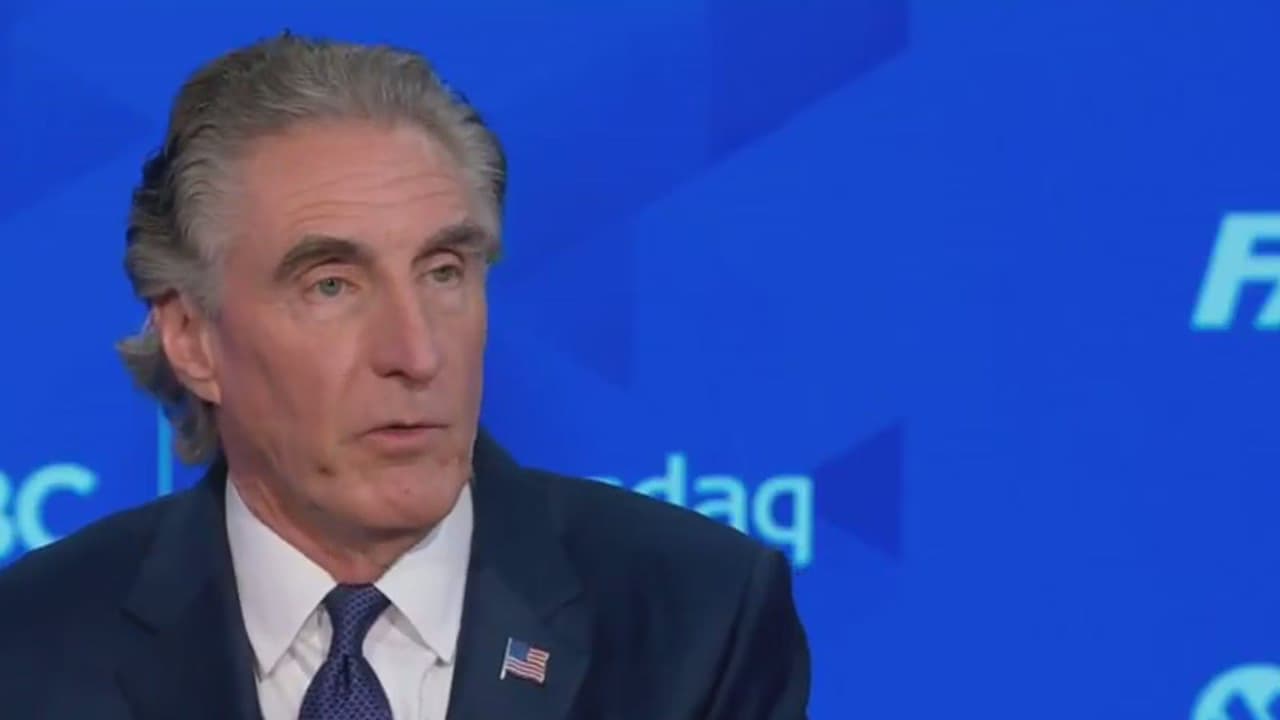
Governor Greg Gianforte also attended the statewide fire assessment meeting. Gianforte stated that the main goal of preparations is early and coordinated response to fires; he emphasized that teams must work together to protect families, homes, communities, and natural resources.
State, local, and federal teams coordinate in preparations
The Montana Department of Natural Resources and Conservation reported being fully prepared for the fire season. However, officials explained that response does not rely solely on state capacity; coordination among local, federal, and tribal agencies is crucial.
It was noted that initial responses are often carried out with local resources. Volunteer fire departments play a critical role in preventing small fires from growing. However, these units are reportedly struggling to recruit new volunteers.
Rich Cowger, honorary president of the Montana State Fire Chiefs, said that over 300 local fire departments protect more than 45 million acres in the state. Cowger expressed that volunteer systems are under serious strain and that the level of volunteerism seen in past years no longer exists.
Increasing calls, shrinking volunteer pool
The Columbia Falls Fire Department exemplifies the growing burden. When fire chief Karl Weeks started volunteering in 2000, the department responded to about 170 calls annually.
Over the past twenty years, this number has risen significantly. The department responded to 305 calls in 2020 and 357 in 2022. This increase has accelerated especially in the last two years. The department does not respond to medical calls except when the local Three Rivers EMS is unavailable.
Federal restructuring continues
There is also restructuring this year within fire operations under the U.S. Department of the Interior. Personnel from different agencies have been consolidated under the new U.S. Wildland Fire Service. The U.S. Forest Service has the largest federal wildfire personnel force.
Officials said that personnel whose duties include firefighting are expected to continue serving as needed. However, in 2025, about 1,400 of the 4,200 people who left the U.S. Forest Service held firefighting certifications but were assigned to other roles and only called upon when necessary. Some of these personnel were asked to return during the summer season, but not all did.
July risk in eastern Montana, late summer risk in southwest
Meteorologists from the U.S. Wildland Fire Service reported that Montana experienced varying drought conditions, major wind events, and unusually warm weather across regions during winter. Recent rains have eased conditions in some areas, but the outlook remains uneven.
Dan Borsum, a forecast meteorologist at the Northern Rockies Coordination Center, said they expect above-average fire potential throughout July in eastern Montana, with risk shifting toward southwestern Montana as summer progresses and expanding to the Bitterroot area in August.
Dry lightning among top concerns
One of the biggest worries for officials is dry thunderstorms that produce lightning without rain. These systems, which can occur over Idaho and Montana, have been linked to some of the most destructive fires in the Pacific Northwest.
It was noted that dry lightning from a single storm cell can ignite dozens of fires simultaneously, challenging initial response teams. The National Interagency Fire Center in Boise’s long-term weather forecast indicates a higher likelihood of storms moving north and east across Idaho’s mountainous areas and much of Montana.
Last year’s low burn area should not be misleading
Montana has seen relatively quieter recent fire seasons. In 2025, about 76,000 acres burned statewide, marking the fourth lowest total in the past 15 years.
However, officials cautioned that even quiet seasons can be very costly. The Windy Rock fire in Powell County cost approximately $56 million to extinguish, making it one of the most expensive operations in state history.
Budget, technology, and human error stand out
Gianforte said he believes the state has sufficient resources for the new season. He noted that the legislature supports the fire budget, the fund renews on August 15, and tools are available for use until then.
Officials highlighted technological investments in firefighting. In particular, aircraft equipped with infrared sensors on their wings can detect heat signatures on the ground after lightning strikes before smoke is visible, enabling early intervention to prevent small fires from growing.
The meeting also emphasized that about three-quarters of fires in Montana are human-caused. Officials urged residents to act carefully, be prepared, and have evacuation plans. They warned that every community in the state could be affected during fire season.
While some fires have already been addressed early in the season around the Greater Yellowstone area, questions remain about how responses on public lands will evolve in the coming months as federal fire system transformation continues.
Stay Updated with Ally Daily
Subscribe to be informed about special news, developments and announcements. We will keep you informed.
By signing up, you agree to our Privacy Policy