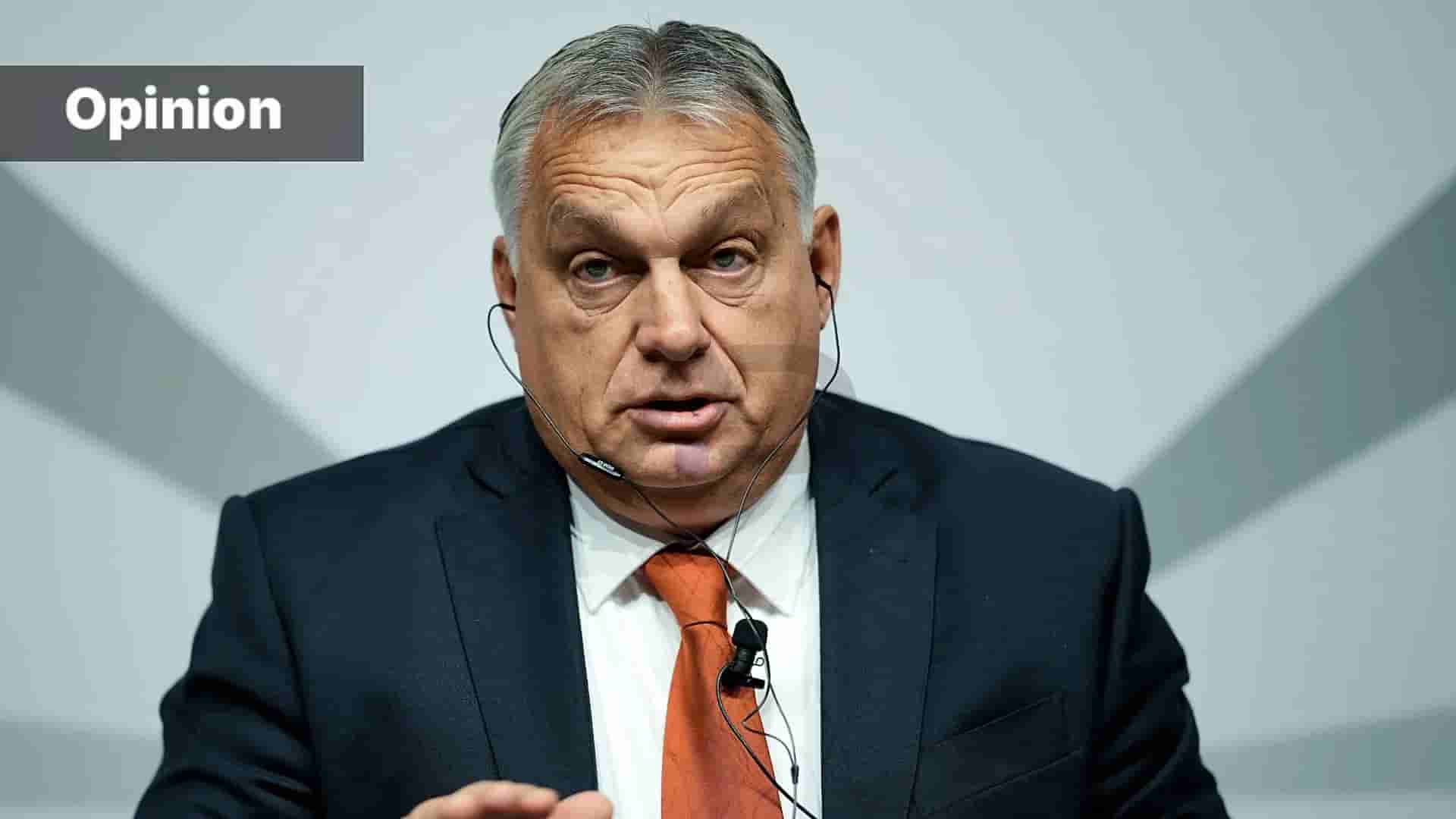
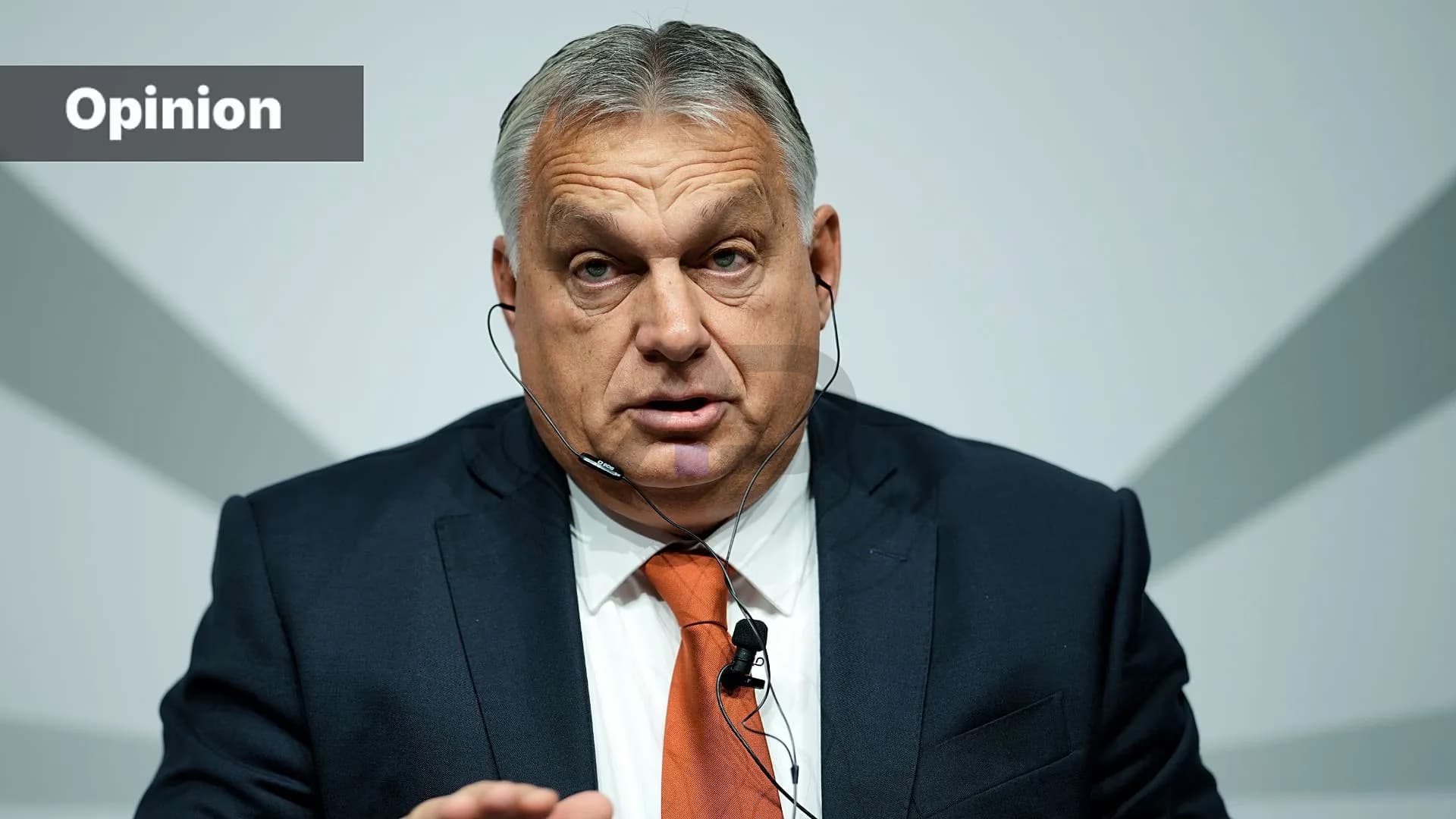
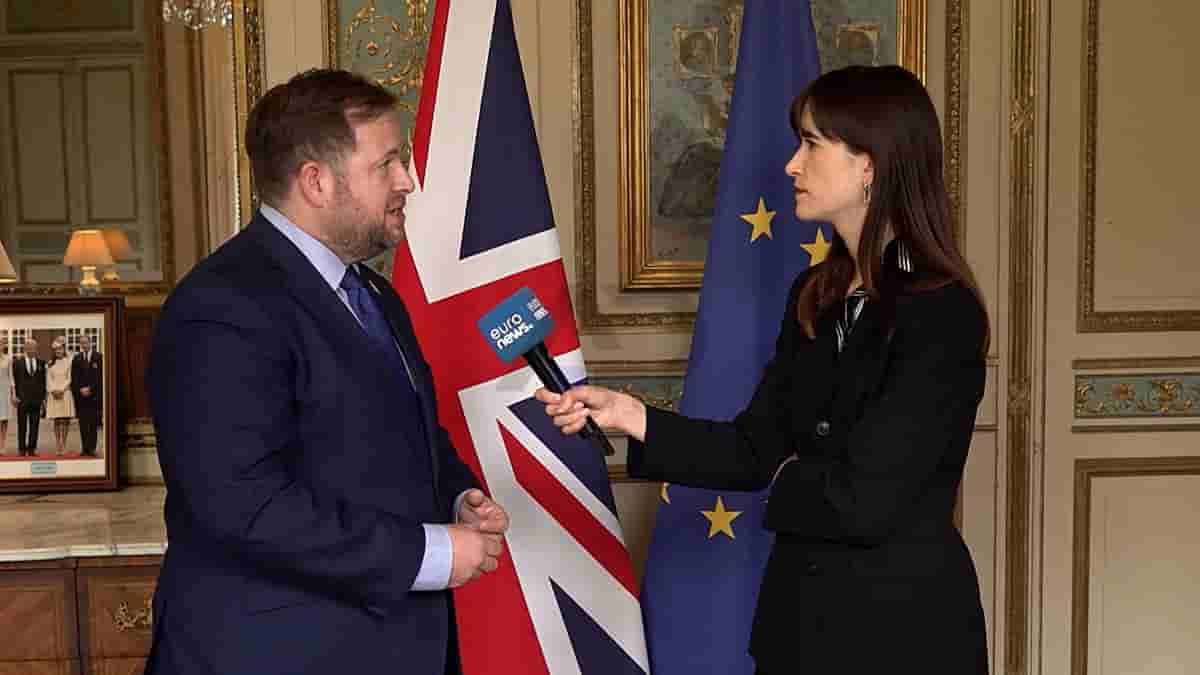
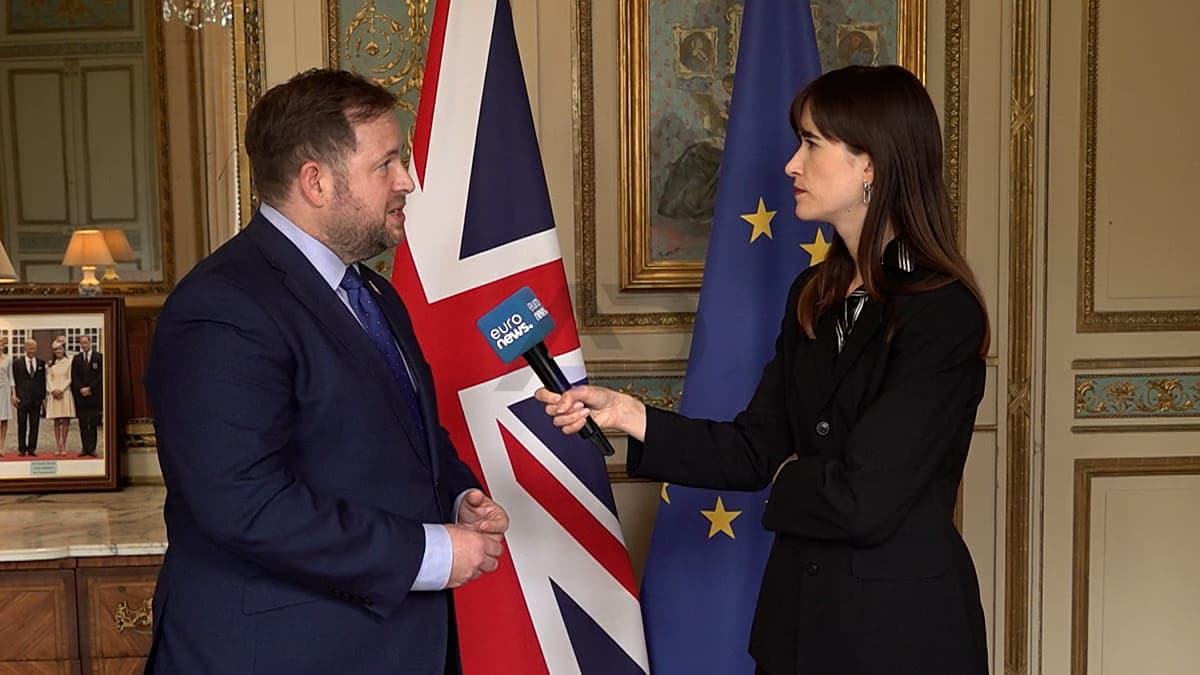
The European Union approved a new round of sanctions against Russia's war in Ukraine. The deal reached among member states on Thursday followed weeks of debate and has a narrower scope than previous proposals.
The 21st sanctions package imposed since the war began in February 2022 keeps the existing price cap on Russian oil exports unchanged rather than tightening it. The decision reflects a compromise reached after some countries within the bloc objected to key elements of the proposal.
Diplomats said the approval process was delayed by concerns from several EU governments. As the war enters its fifth year, maintaining consensus within the 27-member union is proving increasingly difficult.
The EU stated that, despite the limited scope, the new measures aim to maintain economic and political pressure on Moscow and reaffirm support for Ukraine.

Lavrov warns US counterpart Rubio in Manila
In parallel with the sanctions decision, Russian Foreign Minister Sergey Lavrov met with US Secretary of State Marco Rubio in Manila, the capital of the Philippines. The meeting came amid renewed diplomatic efforts to end the war.
The contact, held on the sidelines of the Association of Southeast Asian Nations (ASEAN) summit, was the first formal meeting between Lavrov and Rubio since September 2025. The encounter came as Washington's diplomatic focus shifted from mediation efforts in Ukraine to the escalating conflict in the Middle East.
According to the Russian Foreign Ministry, Lavrov told Rubio that US military support for Ukraine is "unacceptable" and called on Washington to stop arms shipments to what he described as the "Kiev regime."
Lavrov also criticized European governments for pursuing a "destabilizing policy" aimed at inflicting a "strategic defeat" on Russia, and reiterated that Moscow is open to a "political-diplomatic solution" to the conflict.
Since 2022, the EU has imposed numerous sanctions packages targeting Russia's financial sector, energy exports, defense industry, technology imports, and hundreds of individuals and entities linked to the Kremlin. These sanctions are considered one of the most comprehensive sanction regimes the bloc has ever implemented.