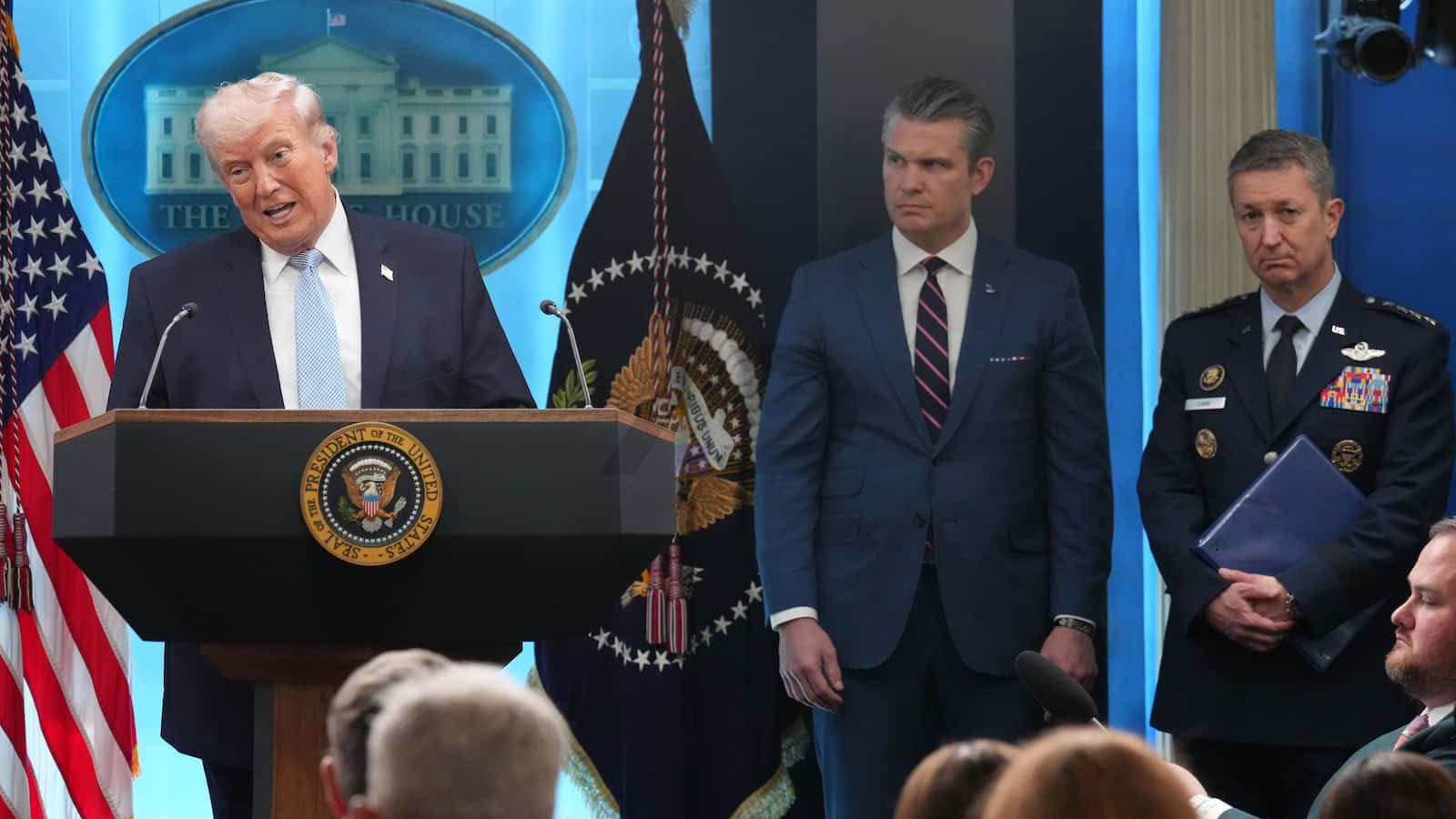
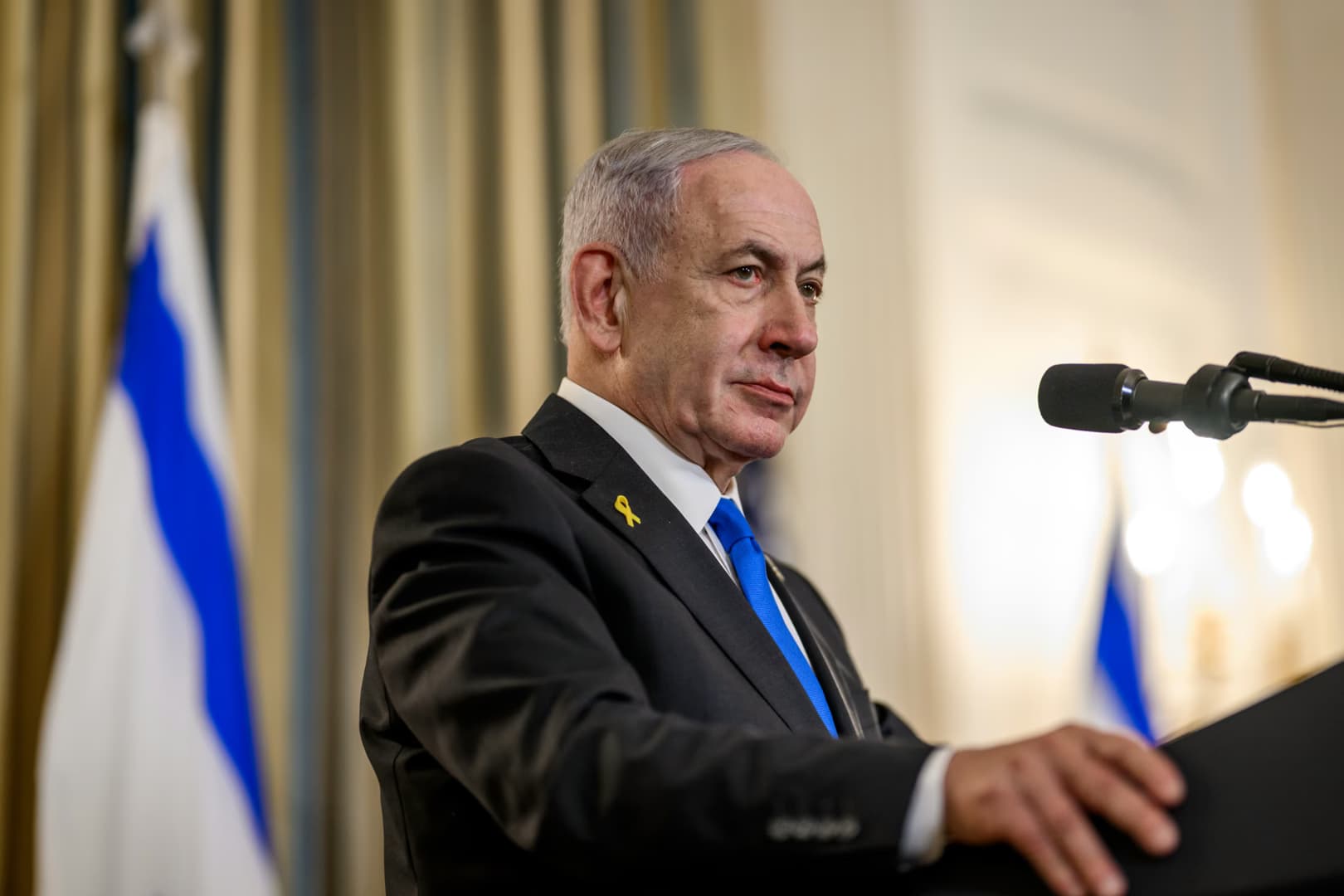
At the NATO Summit of Heads of State and Government held in Ankara on July 7-8, a significant step was taken towards establishing a new bank to finance the alliance's defense investments. Canadian Prime Minister Mark Carney announced that nine countries, including Turkey, supported the establishment of the Defense, Security and Resilience Bank (DSRB).
Prof. Dr. Arif Bağbaşlıoğlu, Head of the International Relations Department at İzmir Democracy University, assessed the potential contributions of this initiative to NATO's security architecture.
DSRB's Objectives and Structure
Planned to be headquartered in Canada and targeted to become operational in 2027, the DSRB, while not an official NATO body, is seen as a candidate to play a significant role in efforts to strengthen the alliance's defense capacity, protect critical infrastructure, and finance defense industry production.
According to Prof. Dr. Bağbaşlıoğlu, the bank aims to provide long-term, low-cost financing for the defense and security investments of NATO allies and partner countries. The DSRB, which aims to help small and medium-sized enterprises and member governments close their financing gaps, also plans to attract private capital to the defense and security market.

The Bank's Establishment Process
The DSRB idea was put forward by Rob Murray, who previously led the creation of the NATO Innovation Fund and the DIANA program. Work began in December 2025, continued in Montreal in March 2026 with the participation of representatives from 18 countries, and in April 2026, agreement was reached on the articles of the founding treaty.
The bank's foundations are based on the €1 billion Innovation Fund and the DIANA program established at NATO's 2021 Brussels Summit. At the 2025 Hague Summit, member countries set a target of allocating 5% of GDP to defense by 2035. At the Ankara Summit, it was emphasized that to achieve this target, defense spending should be measured not only by budget size but also by real production capacity and resilience indicators.
Turkey's Potential Role
Prof. Dr. Bağbaşlıoğlu stated that with the Turkish defense industry's exports exceeding $10 billion and five Turkish companies on SIPRI's list of the top 100 defense firms, Turkey could play a critical role in the DSRB achieving its objectives.
Uncertainties About the Future
However, it is noteworthy that apart from Canada, there are no G7 countries among the bank's founding members. The initial absence of major economies such as Germany, France, and the United Kingdom raises questions about the DSRB's capital size and effectiveness.
Prof. Dr. Bağbaşlıoğlu noted that it is not yet clear whether the DSRB will be a complementary or alternative structure to the existing financial architecture, but that participation is being discussed positively, especially in the United Kingdom. He emphasized that the bank's success depends on reaching sufficient capital, making investment decisions based on transparent and technical criteria, and working in harmony with other institutions.
In conclusion, the DSRB is assessed to have the potential to shape NATO's security economy and redefine burden-sharing through joint investment mechanisms.