- BIST10011,909+0.56%
- USD50.28+0.05%
- EUR55.60-0.24%
- GOLD3,866.00-0.52%
- INTEREST36.00%-1.00
- BITCOIN64,461-1.31%
- November 16, 20262°
- BIST10011,909+0.56%
- USD50.28+0.05%
- EUR55.60-0.24%
- GOLD3,866.00-0.52%
- INTEREST36.00%-1.00
- BITCOIN64,461-1.31%
- November 16, 20262°
Federal judge bars ICE from searching Boston immigration lawyer's seized phone data
A federal judge in Boston blocked the Trump administration from searching data copied from attorney Andrew Lattarulo's phone, finding he is likely to prove it was seized in retaliation for his public criticism of immigration policy. The lawyer runs a popular know-your-rights account on Instagram.
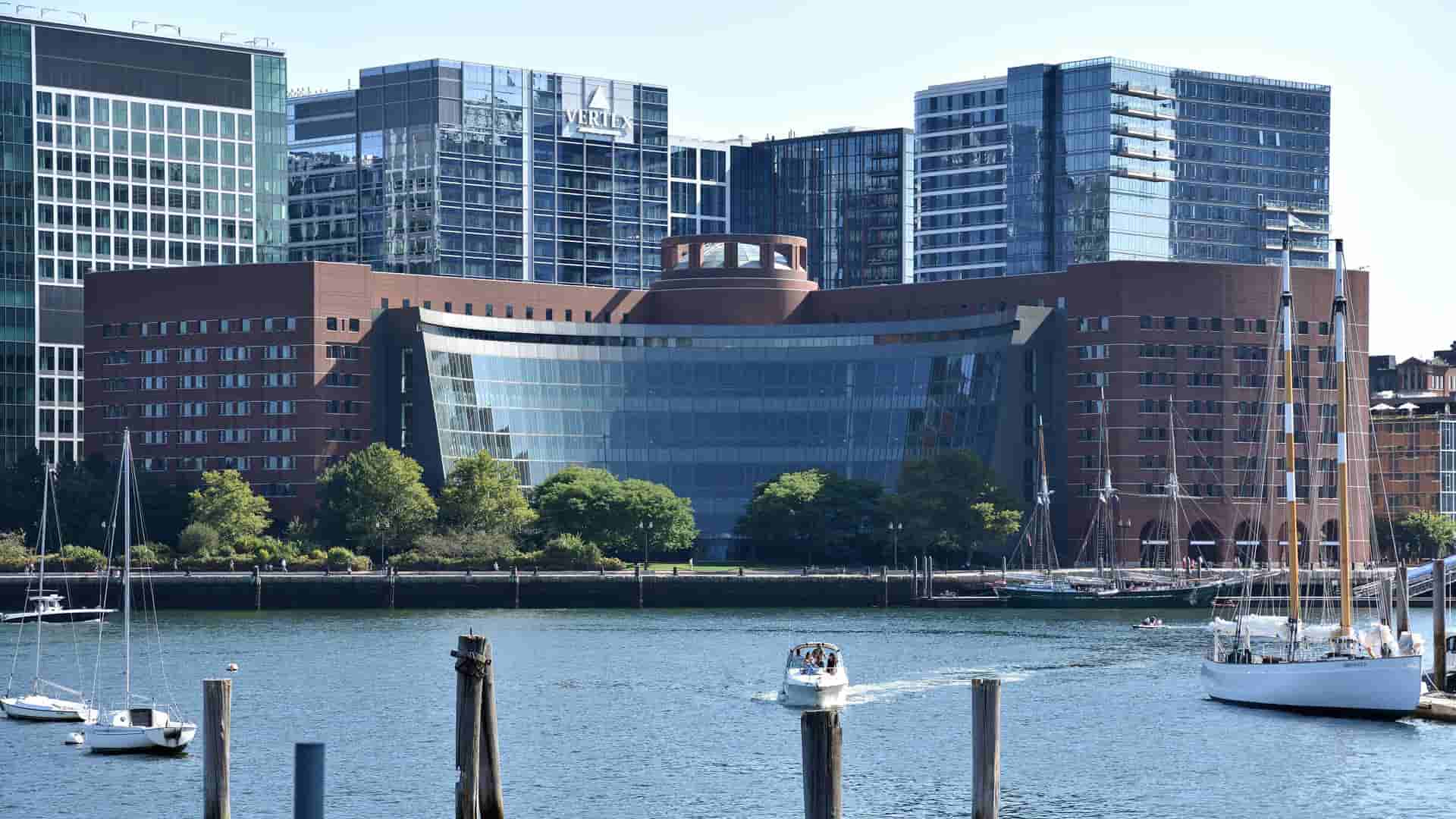
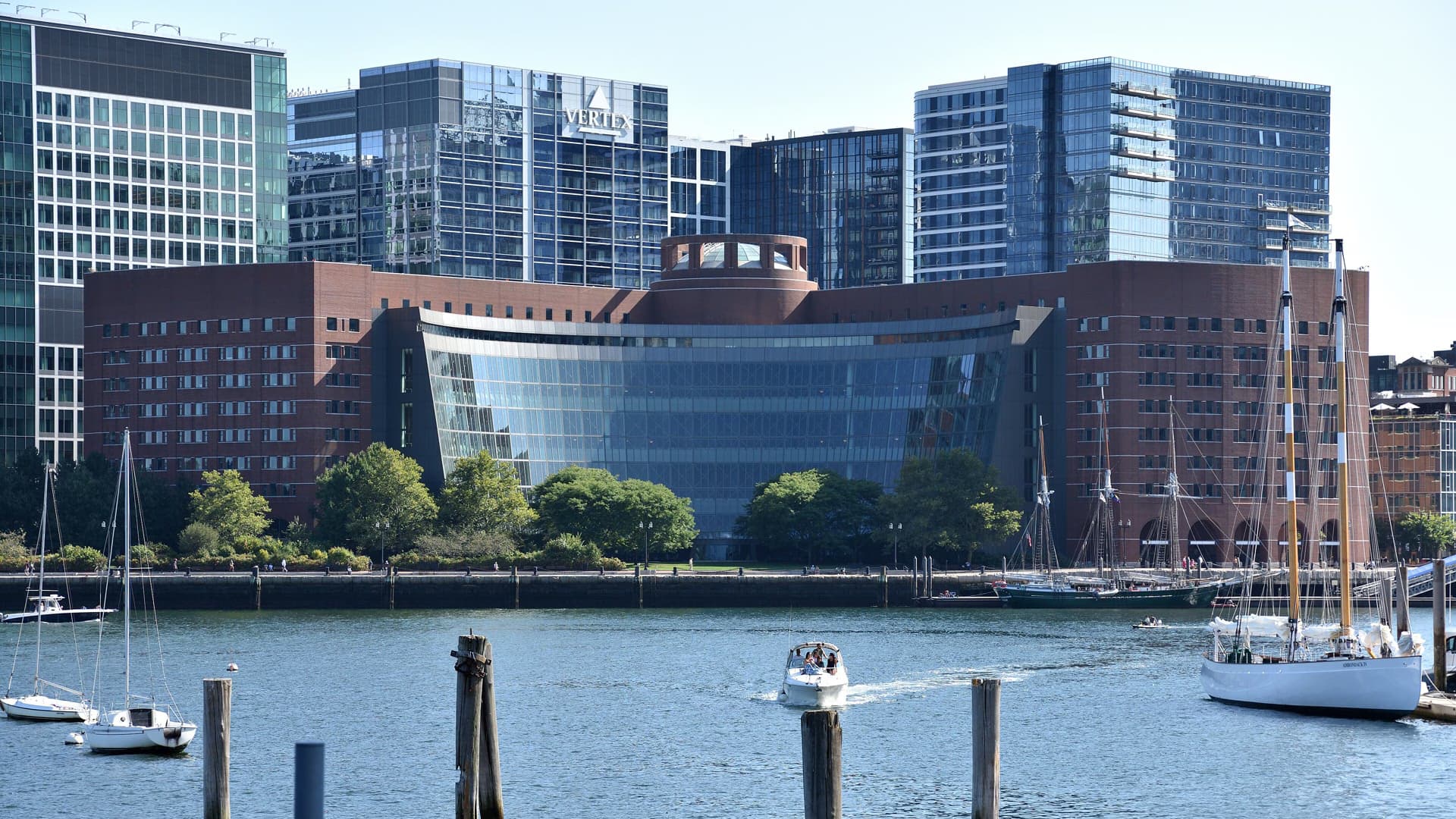
A federal judge in Massachusetts has barred the Trump administration from searching data copied from an immigration lawyer's cellphone, finding that agents likely seized the device in retaliation for speech protected by the First Amendment.
U.S. District Judge Allison D. Burroughs granted attorney Andrew Lattarulo a preliminary injunction on Thursday, Newsweek reported. The evidence before the court suggested he "would not have been searched except for his protected speech," she wrote.
Stopped at Logan Airport
Lattarulo, a part owner of the law firm Georges Cote LLP, represents clients in immigration proceedings and posts "know-your-rights" videos on Instagram that regularly draw hundreds of thousands of views, according to the ruling.
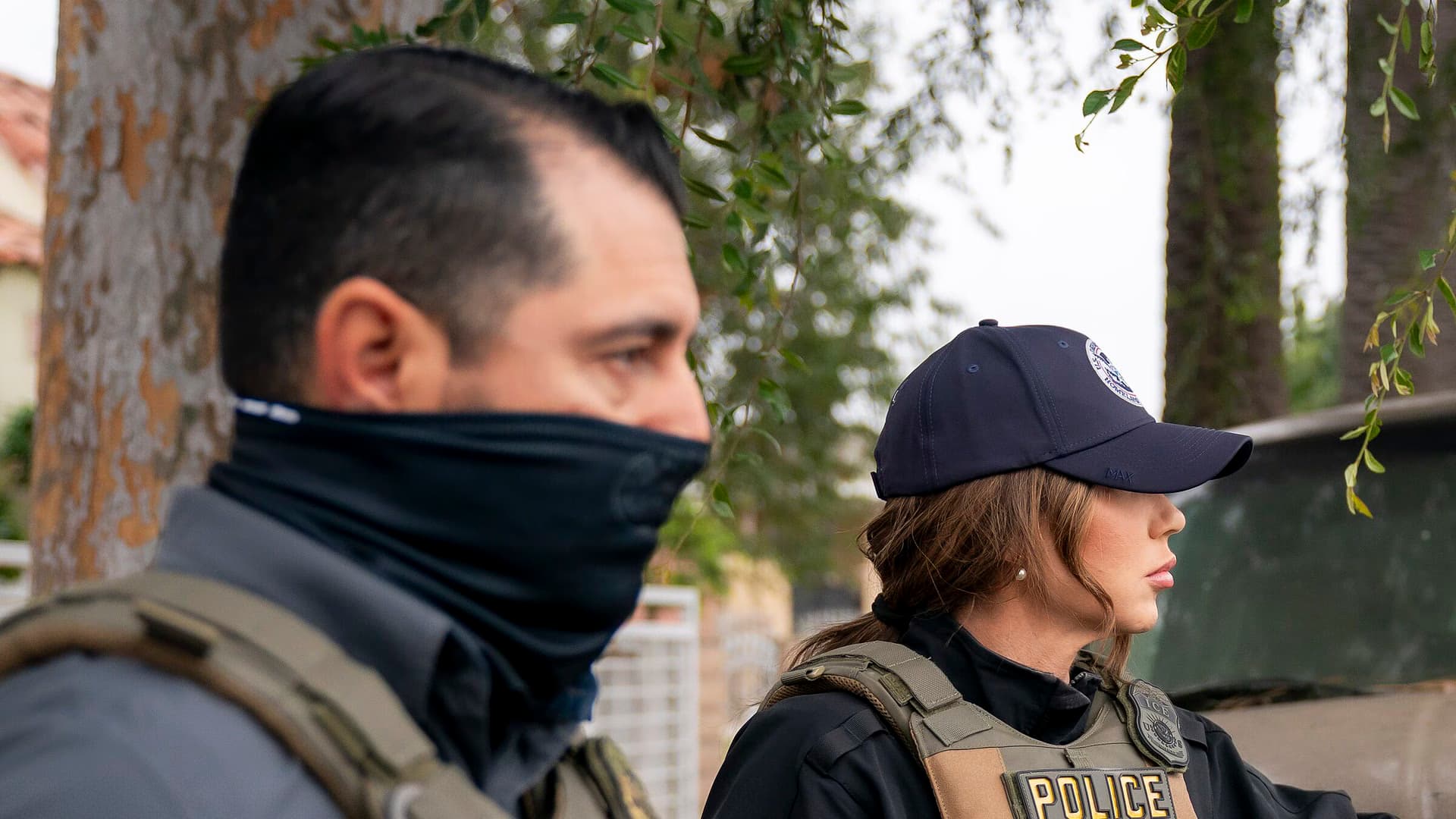
In September 2025, he was returning from a weekend trip to Aruba when three Customs and Border Protection agents and an officer from Homeland Security Investigations, the investigative arm of ICE, stopped him as he got off the plane at Boston Logan International Airport. Agents seized his phone without a warrant, downloaded a complete copy of its data and returned the device eight days later.
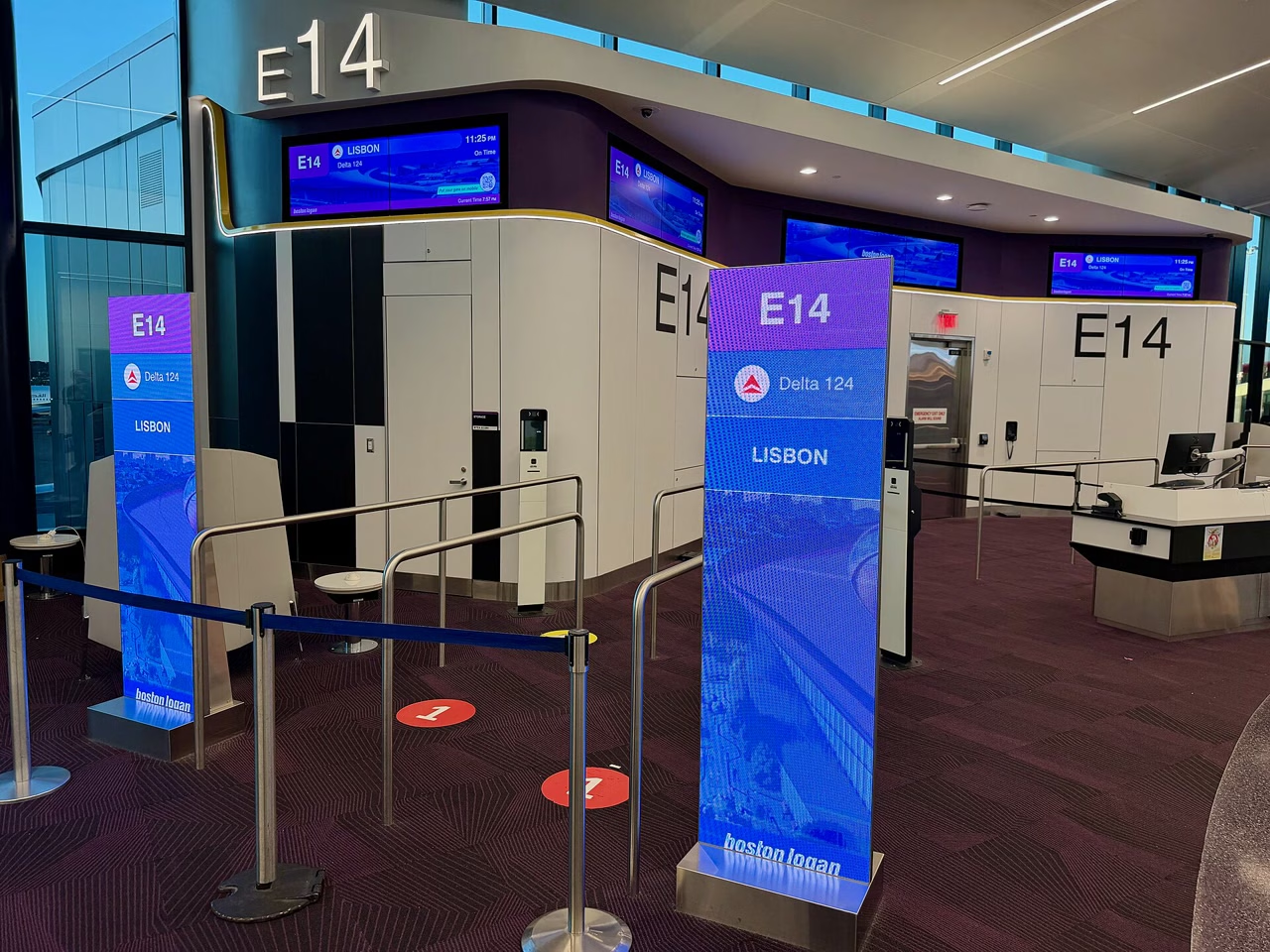
The government denied targeting Lattarulo over his speech. It said the seizure was tied to an HSI inquiry into whether his firm employed people who were not authorized to work in the United States. The firm received a Notice of Inspection on Sept. 8, 2025, and a Notice of Suspect Documents on Sept. 25.
'Aggressive deviation from protocol'
Burroughs said the timing pointed to retaliation. Agents took the phone three days after the firm received the second notice, even though HSI policy generally gives employers 10 business days to answer questions about workers' authorization. "That aggressive deviation from protocol strongly suggests that the seizure did not arise from an ordinary investigative motive," she wrote.
She also noted that Lattarulo's law partner, Audai Cote, who flew back from Aruba a day earlier and had the same or greater access to employment records but had not spoken out publicly, was not searched. Cote "would have been a more logical target," the judge wrote.
Burroughs did not decide whether the seizure violated the Fourth Amendment. She ordered the government to keep the copied data, which includes attorney-client communications, in its current unreadable format until the case ends, but declined to order it destroyed. The government told the court it has additional evidence supporting the search that it cannot disclose because its investigation is ongoing.
Photos: Wikimedia Commons
Stay Updated with Ally Daily
Subscribe to be informed about special news, developments and announcements. We will keep you informed.
By signing up, you agree to our Privacy Policy