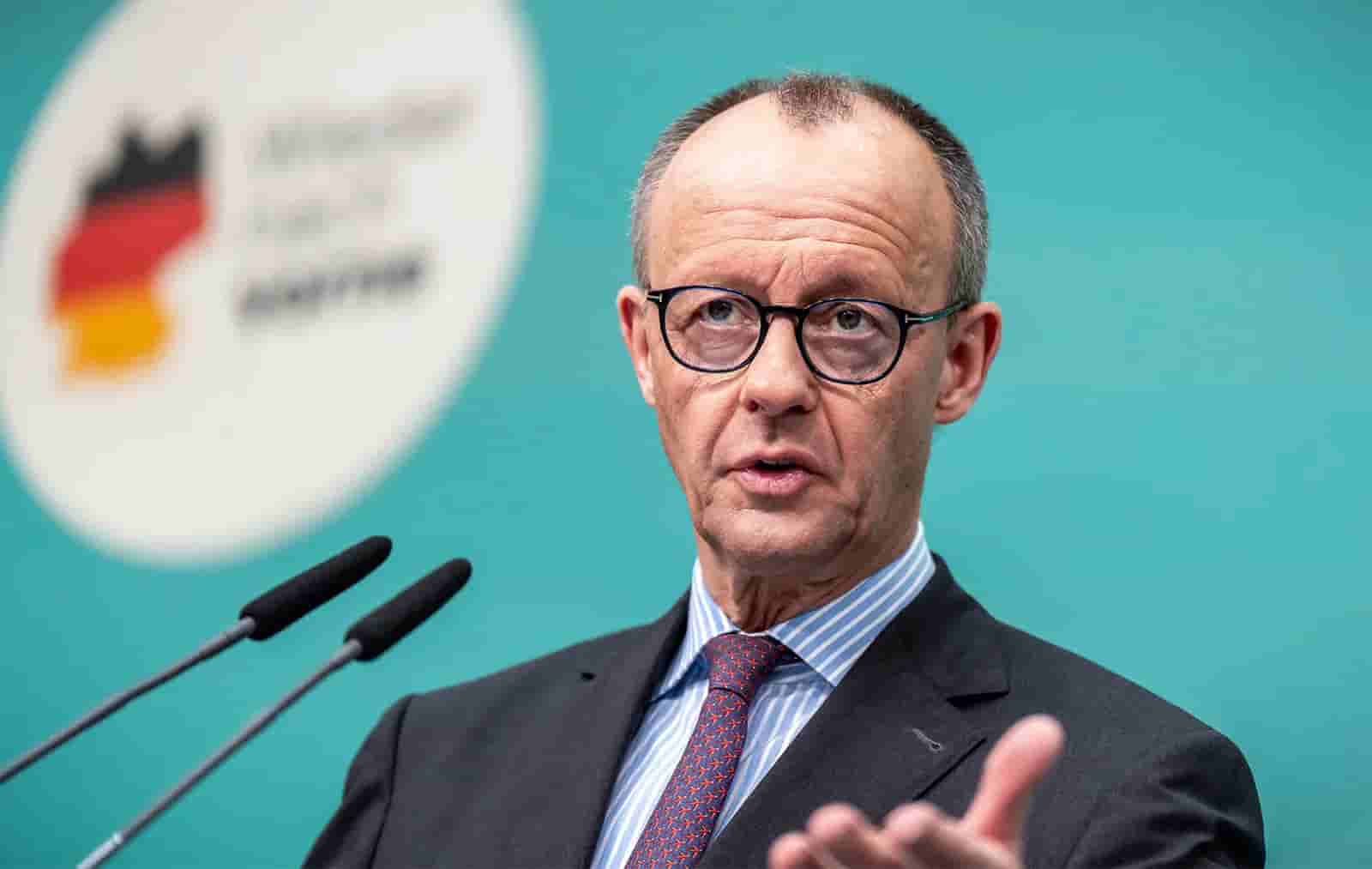
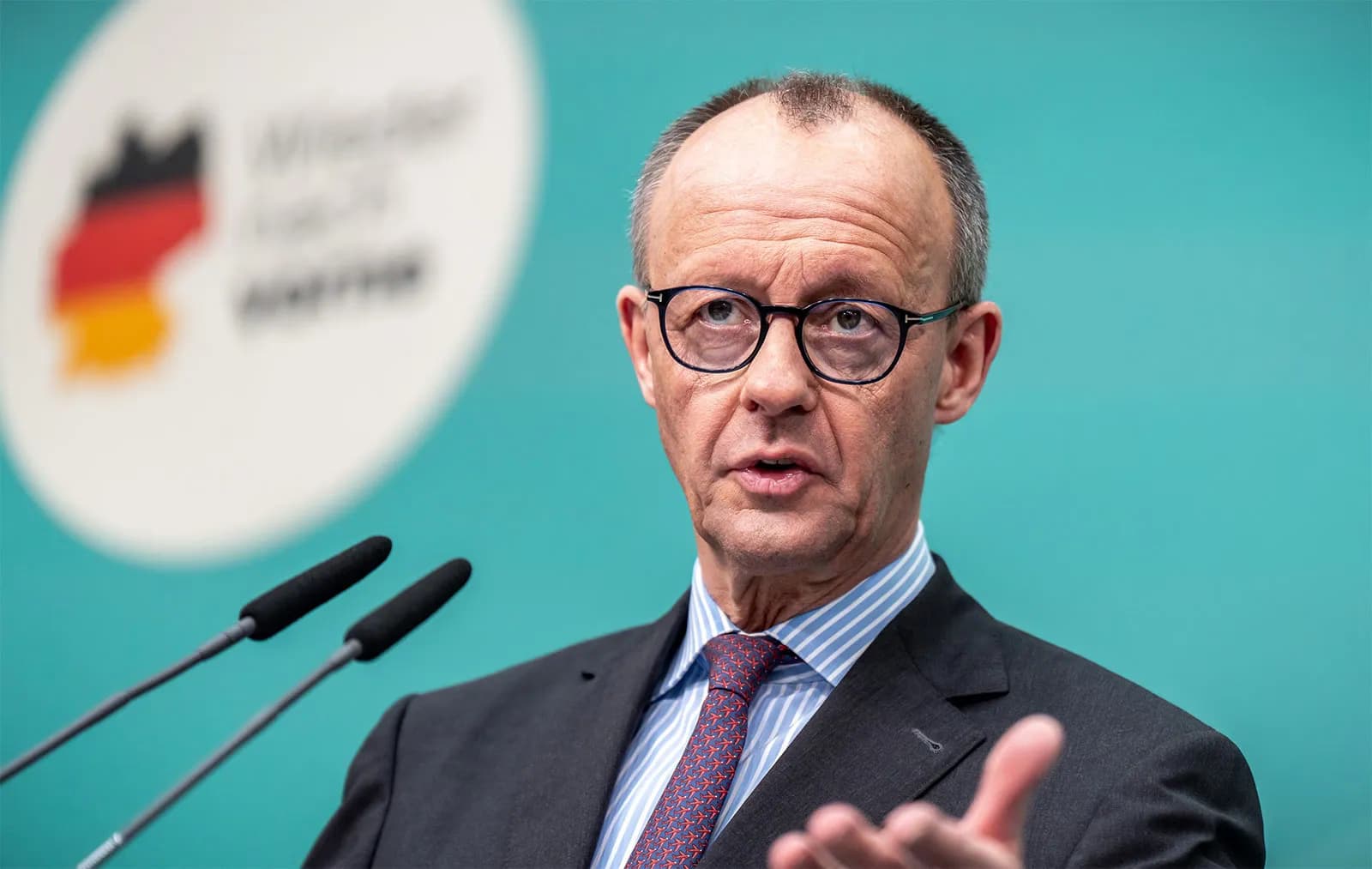
German Chancellor Friedrich Merz has emphasized the importance of migrants to Germany’s economy and essential services, saying many sectors would struggle to operate without people who have lived and worked in the country for decades.
Merz pointed specifically to hospitals, nursing homes, construction, restaurants and hotels as sectors where workers with migrant backgrounds play an important role.
“We Want These People”
Speaking about people who have lived and worked in Germany for many years, Merz stressed that the country needs their contribution.

“No hospital, no nursing home, no construction site, no restaurant and no hotel could operate if the migrants who have lived and worked here for decades were not here,” Merz said.
He added: “We want these people.”
“No Place for Xenophobia in Germany”
Merz also rejected hostility toward foreigners, declaring that xenophobia has no place in Germany.
His remarks come amid an ongoing debate in Germany over migration, integration and the country’s growing demand for workers.
Migrants Play Key Role in Essential Sectors
Germany has faced labor shortages across several sectors, particularly healthcare, elderly care, hospitality and construction.
Merz has repeatedly argued that Germany needs workers from abroad while distinguishing between labor migration and debates surrounding irregular migration.
Merz Criticizes AfD’s “Remigration” Policy
The German chancellor has also criticized the Alternative for Germany’s proposals on “remigration.”
Merz argued that removing large numbers of migrants from Germany would have significant consequences for the labor market and essential services.
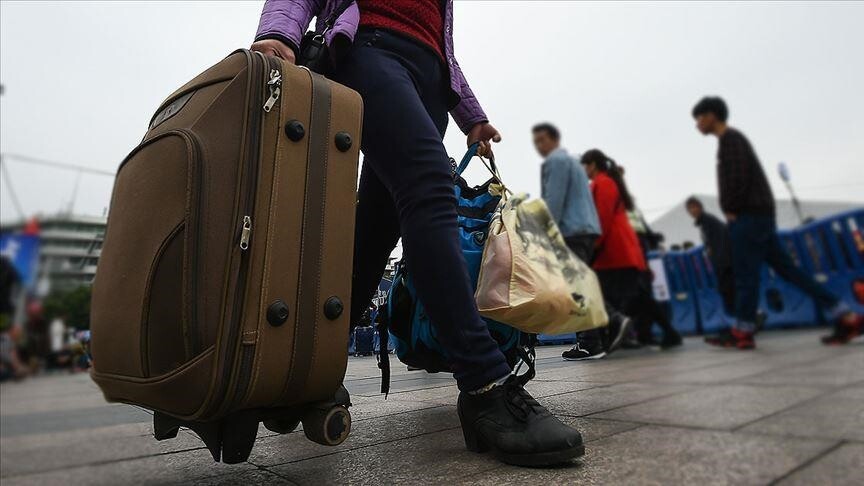
He said nursing homes, hospitals and restaurants would face serious difficulties operating without foreign workers.
Migration Debate Continues in Germany
Migration remains one of the most prominent political issues in Germany, with debates focusing on border controls, asylum policy, integration and the need for skilled and other workers.
Merz’s latest remarks emphasize the government’s position that people who work, contribute to society and have established their lives in Germany remain an important part of the country.