Food Price Index Declines Slightly
The United Nations Food and Agriculture Organization (FAO) released its global food price index data for June. The index fell 0.3 percent month-on-month to 130.3 points, as declines in sugar, cereals and dairy products offset increases in vegetable oils and meat prices.
On an annual basis, the index rose 2.2 percent.
Cereal Prices Continue to Fall
The FAO Cereal Price Index fell 3.5 percent in June from the previous month. It remained 2.9 percent higher year-on-year.
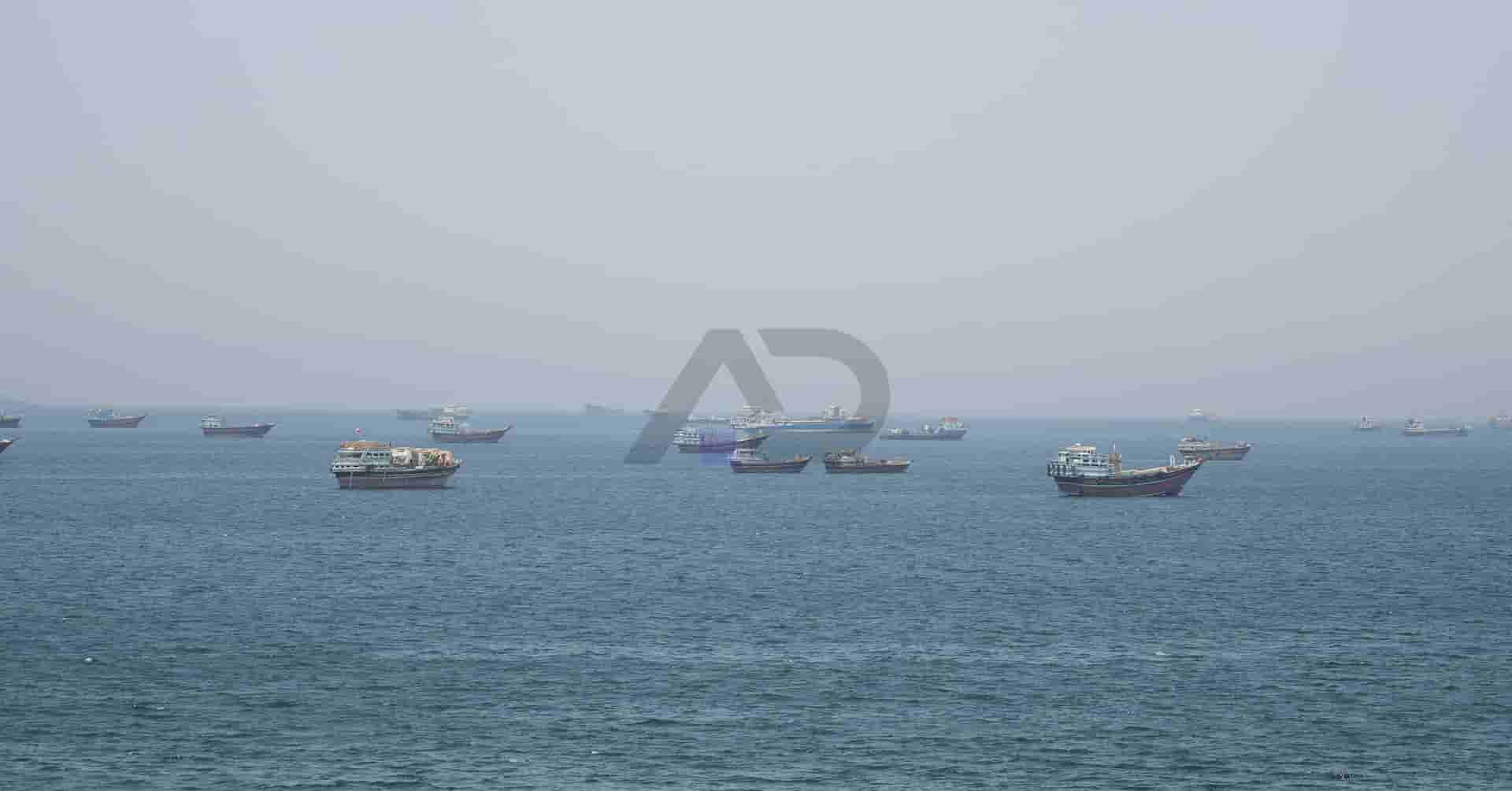
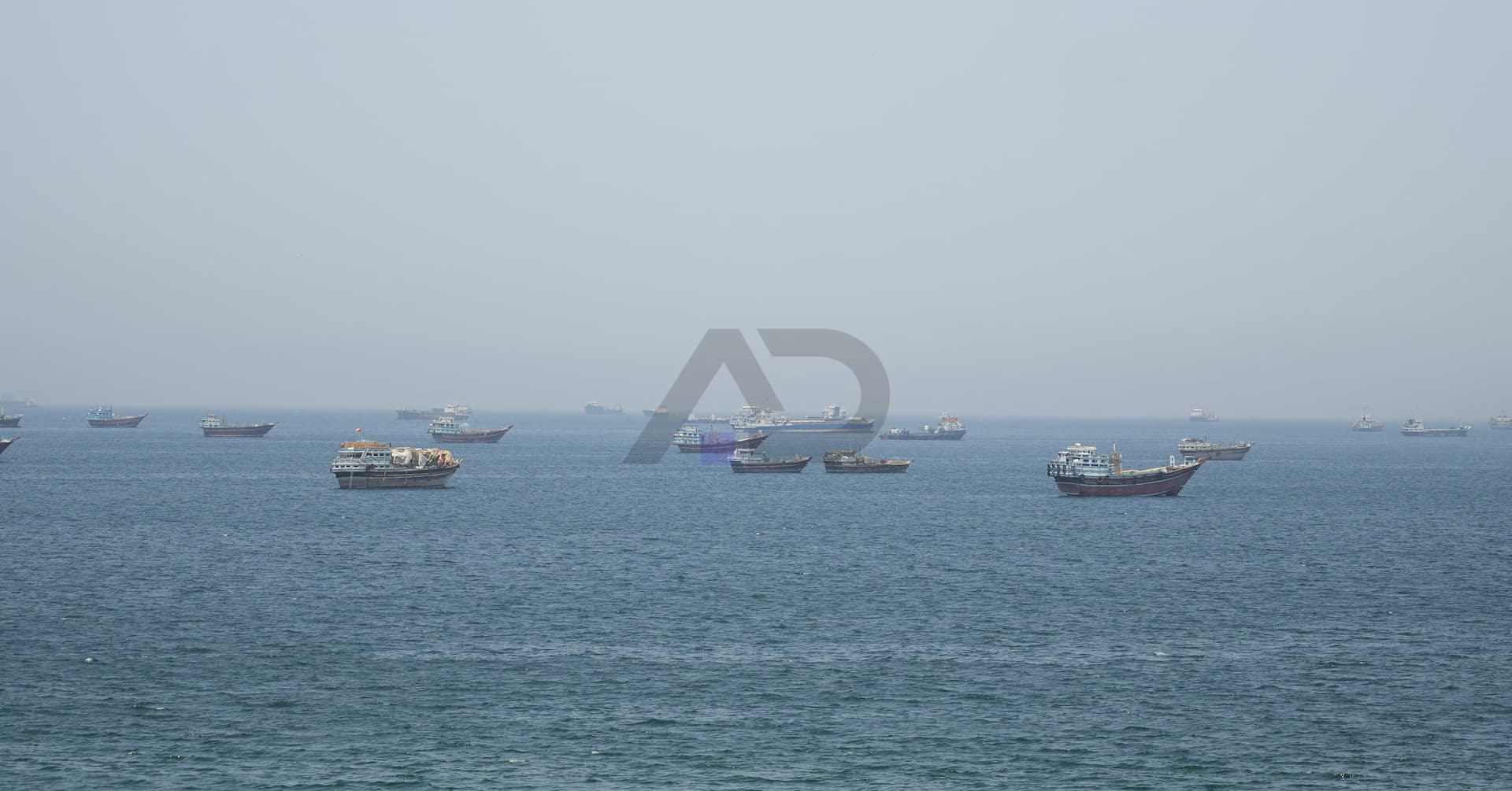
The 4.4 percent drop in global wheat prices was driven by the acceleration of harvests in the Black Sea basin and a strengthening supply outlook. Expectations of increased trade flows through the Strait of Hormuz also pushed prices lower.
Vegetable Oil Index Rose
The Vegetable Oil Index increased 3.8 percent month-on-month to 192 points. It registered a 23.3 percent year-on-year rise. Although soy oil prices weakened, a sharp increase in palm oil drove the index higher.
Meat Prices Hit Record
The Meat Price Index reached 131 points in June, up 0.4 percent month-on-month and 4 percent year-on-year, setting a new record. The increase in international poultry meat prices played a decisive role in this rise.
Dairy and Sugar Decline
The Dairy Price Index fell 1.5 percent month-on-month and 24.5 percent year-on-year to 117.4 points. While prices declined across all dairy products, underlying market conditions continued to vary across product categories.
The Sugar Price Index fell 5.7 percent month-on-month and 13.3 percent year-on-year to 89.7 points. In Brazil, a third consecutive drop in domestic ethanol prices led to more sugarcane being diverted to sugar production, contributing to the decline in international sugar prices.
Cereal Production Outlook
FAO expects this year’s global cereal production to reach 2.983 billion tonnes, the second-highest level on record. This figure would be 1.9 percent below last year’s record level. Stronger harvest expectations in Argentina, Brazil, China and Zambia lifted production estimates.
The global cereal utilization forecast for the 2026/27 period was lowered to 2.961 billion tonnes due to an expected decline in wheat use.
Global wheat production is forecast to fall 4.3 percent to 806.5 million tonnes. In Australia, production dropped below the five-year average due to the El Niño effect. World rice production is expected to decline 1.8 percent from the record level seen in 2025-26.
41 Countries in Need of Food Assistance
According to FAO, 41 countries and territories worldwide require external food assistance, 31 of which are in Africa. Conflict and insecurity remain the primary drivers of the most severe levels of acute food insecurity. El Niño-related weather events and high input prices are constraining agricultural production in East and West Africa.
Total cereal production in 39 low-income food-deficit countries is estimated to increase by 1.4 percent to 129 million tonnes in the 2026/27 season. However, their import needs are expected to rise 2 percent to around 48 million tonnes.