- BIST10010,760-3.64%
- USD49.79+0.05%
- EUR55.52-0.41%
- GOLD3,888.70-3.54%
- INTEREST36.00%-1.00
- BITCOIN76,842-1.22%
- October 30, 202619°
- BIST10010,760-3.64%
- USD49.79+0.05%
- EUR55.52-0.41%
- GOLD3,888.70-3.54%
- INTEREST36.00%-1.00
- BITCOIN76,842-1.22%
- October 30, 202619°
Google's Suncatcher satellite runs AI in orbit and beams back a haiku
Google's first Project Suncatcher prototype ran an AI model on its onboard chips in orbit and sent back a haiku, a milestone CEO Sundar Pichai called the project's "hello world" moment. Two more satellites are planned for 2027.
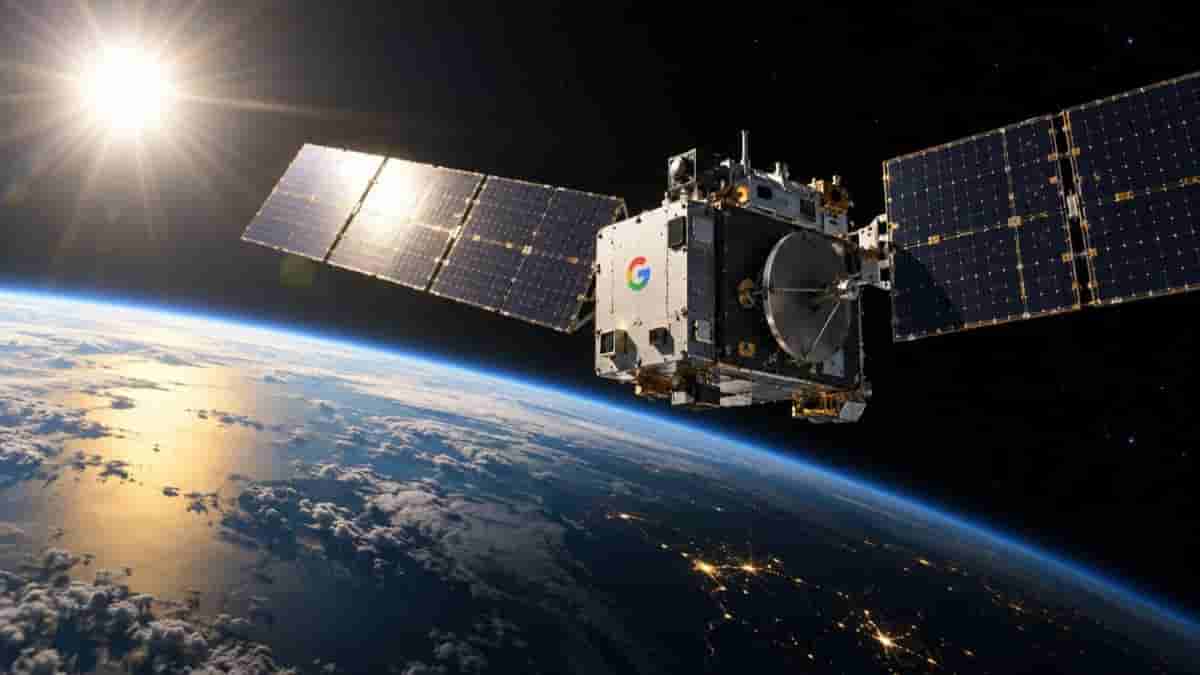
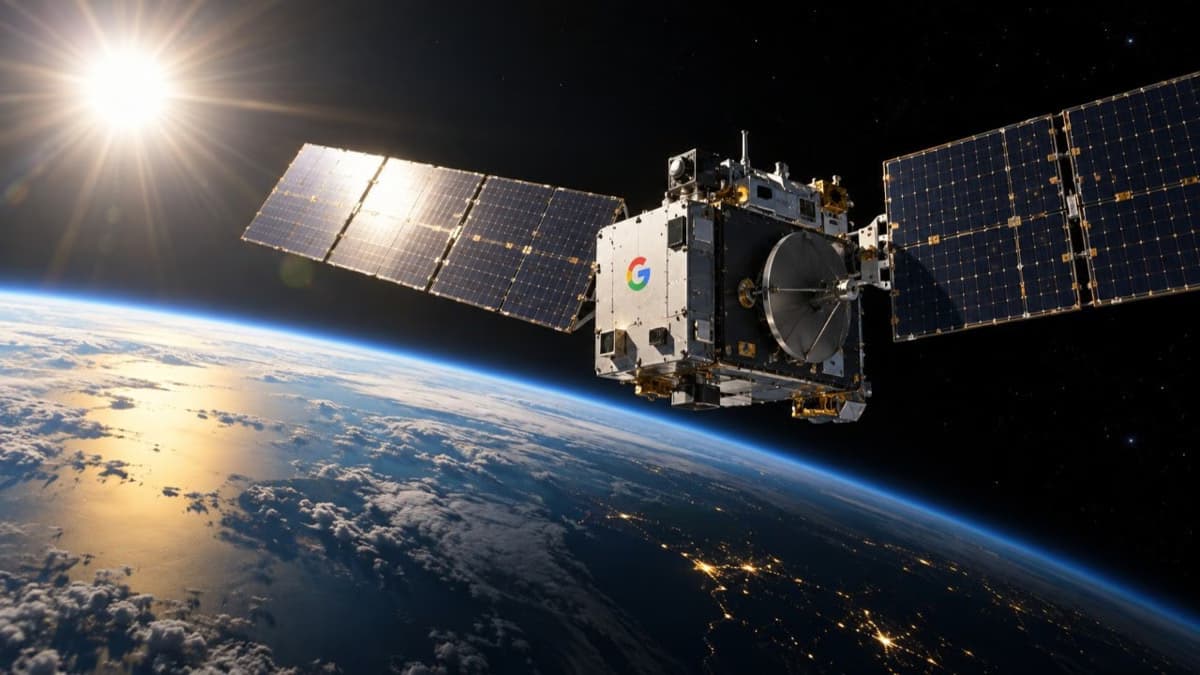
Google has run an artificial intelligence model on a satellite in orbit for the first time, a step toward its ambition to build data centers in space. CEO Sundar Pichai said the first Project Suncatcher prototype responded to a command from Earth with a haiku, calling it a "hello world" milestone for the project.
The team sent a command to orbit, booted one of the satellite's Tensor Processing Units and asked the onboard Gemma model to write a haiku about being in space. The answer was downlinked as the satellite passed over Svalbard, Norway.
'Starlight feeds my core'
The poem read: "Blue marble below, / Data streams in silent grace, / Starlight feeds my core." Later tests included space-themed limericks and requests for telemetry on the satellite's payload systems.
Built with San Francisco-based Planet, the satellite launched Oct. 1 from Vandenberg Space Force Base in California on SpaceX's Transporter-18 rideshare mission. It carries four of Google's Trillium-generation TPUs.
Why put data centers in orbit
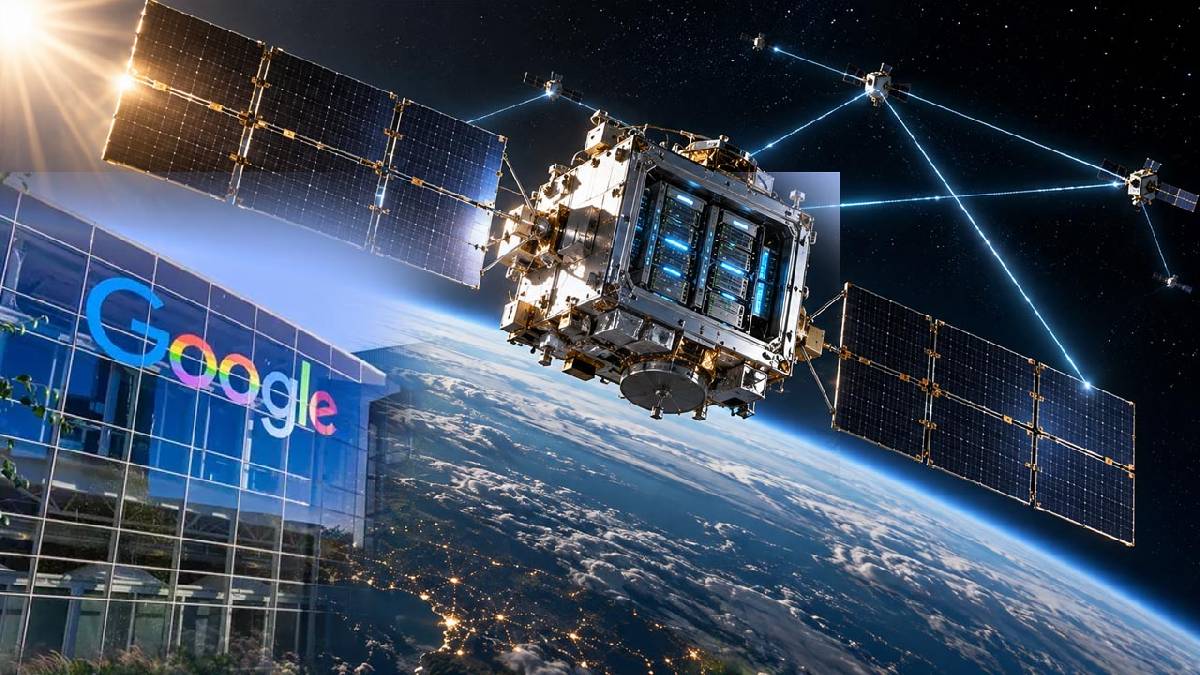
Google's long-term vision is a constellation of solar-powered, TPU-equipped satellites linked by laser communications that could supplement or eventually replace some Earth-based data centers. Pichai has pointed to energy as the main driver: the sun puts out about 100 trillion times humanity's total electricity production, and satellites in sun-synchronous orbits can draw solar power almost continuously.
The prototype is testing whether the chips can withstand launch, radiation and the challenge of shedding heat in a vacuum, and for now the TPUs run only in short bursts. Google plans to launch two more satellites with Planet in 2027 to test high-bandwidth laser links between spacecraft.
Google is not alone in the race. Startup Starcloud flew an Nvidia H100 GPU on its Starcloud-1 satellite in November 2025 and trained a small AI model in orbit.
Stay Updated with Ally Daily
Subscribe to be informed about special news, developments and announcements. We will keep you informed.
By signing up, you agree to our Privacy Policy