- BIST10010,977+2.18%
- USD50.70+0.04%
- EUR55.61+0.02%
- GOLD3,668.50+2.91%
- INTEREST36.00%-1.00
- BITCOIN59,658-0.35%
- November 28, 20265°
- BIST10010,977+2.18%
- USD50.70+0.04%
- EUR55.61+0.02%
- GOLD3,668.50+2.91%
- INTEREST36.00%-1.00
- BITCOIN59,658-0.35%
- November 28, 20265°
Hackers breach Air Force's Cloud One platform; Cyber Command called in
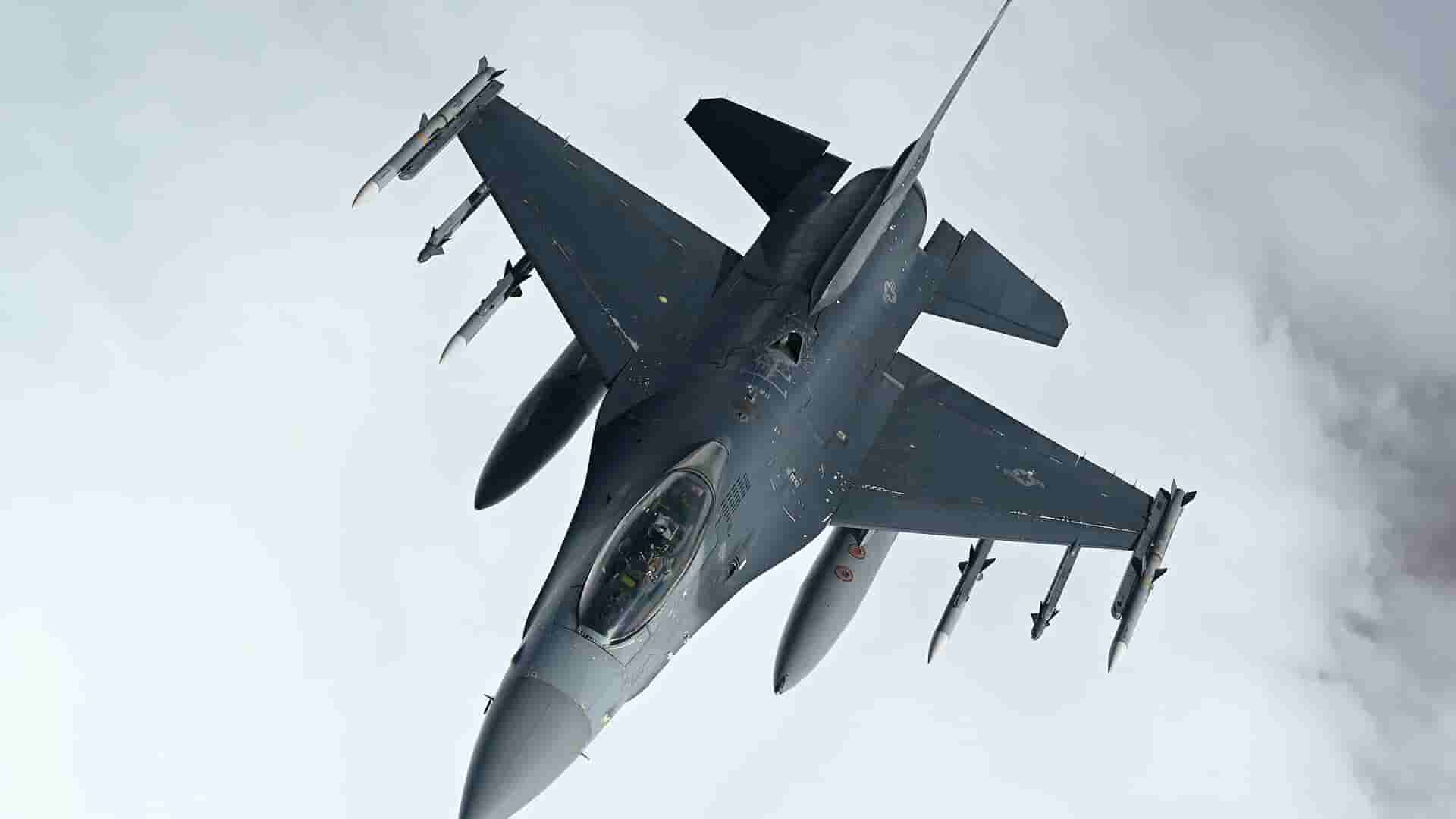
Hackers broke into Cloud One, the U.S. Air Force's flagship cloud computing platform, potentially exposing sensitive military, personnel and logistics data, Reuters reported. The breach disrupted work across the system and U.S. Cyber Command was brought in to assess the damage.
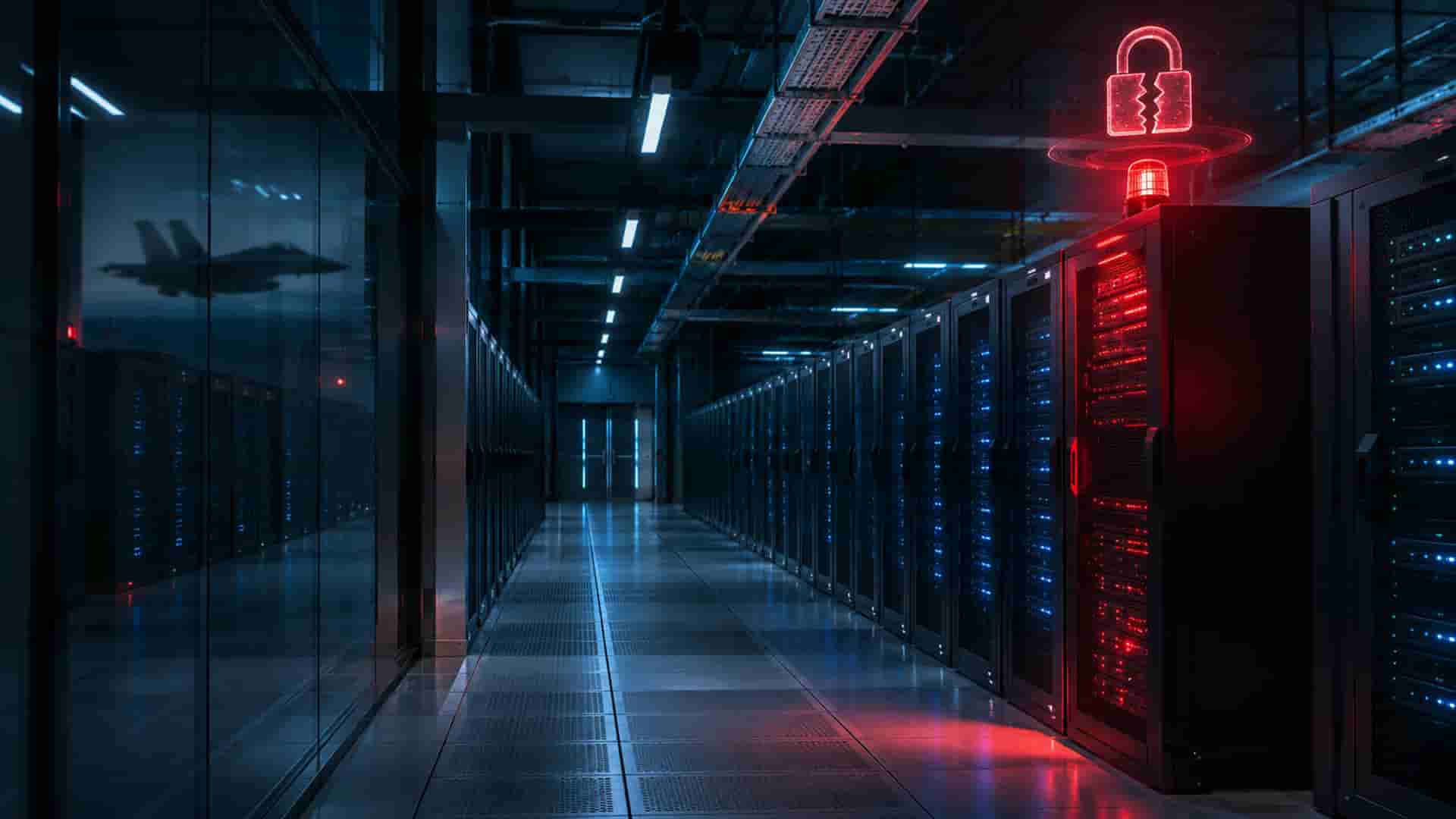
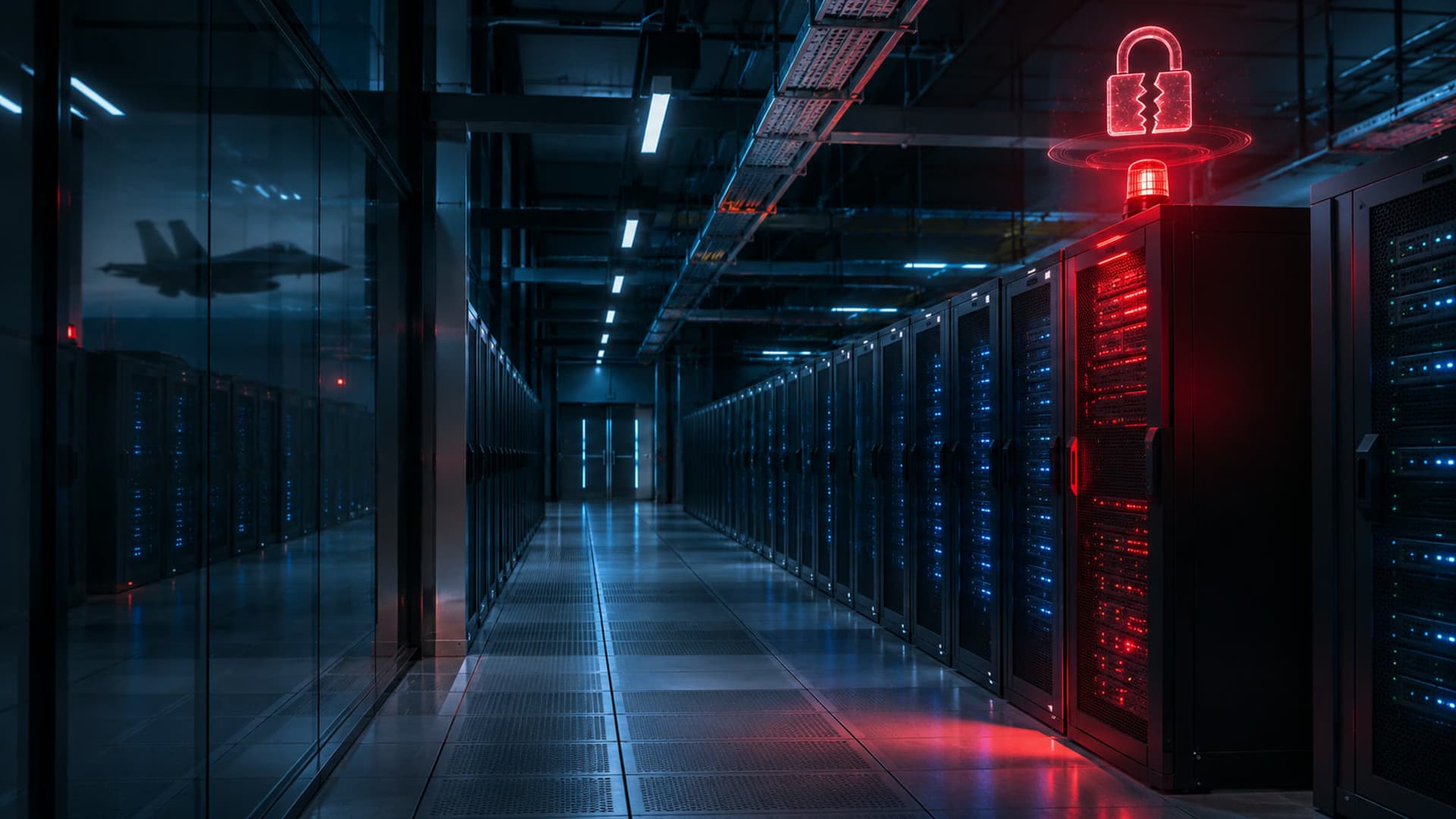
Hackers have breached Cloud One, the U.S. Air Force's flagship cloud computing platform, Reuters reported Friday, citing three people familiar with the matter. The intrusion could expose a wide range of sensitive tactical, personnel and logistics data.
"A breach here is a big deal," one of the people told Reuters. Who is behind the attack, and whether any data was actually stolen, remains unknown.
Access to the system's "universal remote"
According to one source, the attackers exploited a software vulnerability to reach the platform's control plane, a component the source compared to a universal remote. In theory, that level of access could let intruders check the status of military aircraft or the movement of spare parts, though it is unclear whether they did so.
The discovery disrupted work across Cloud One. Efforts to move back-office applications onto the platform, a longstanding military priority, have been paused, and updates to existing applications were blocked, leaving Air Force personnel unable to apply fixes as serious software vulnerabilities were disclosed across the tech industry. A fifth source said some users lost administrator rights.

Cyber Command assessing the damage
Investigators called in U.S. Cyber Command, the military's cyber force, to assess the damage, one source said. The Air Force said it "does not comment on the security posture, vulnerabilities or operational status of specific networks and systems" and that it continuously takes "prudent measures" to safeguard its information and mission capabilities.
Launched in 2017 as a one-stop shop for Air Force IT needs, Cloud One draws on resources from Microsoft, Amazon, Oracle and Alphabet. It supports scores of applications, including systems handling personnel data and pay, a munitions-tracking system covering more than 200 Air Force locations worldwide, and a cloud-based command-and-control system that gathers air defense radar feeds from across North America. Leidos took over as the prime contractor from SAIC in 2025.
The breach is the latest in a string of cyber incidents targeting the U.S. government, including a recent leak of Department of Homeland Security personnel data, an attack affecting at least two spy agencies and one on the Treasury Department.
Stay Updated with Ally Daily
Subscribe to be informed about special news, developments and announcements. We will keep you informed.
By signing up, you agree to our Privacy Policy