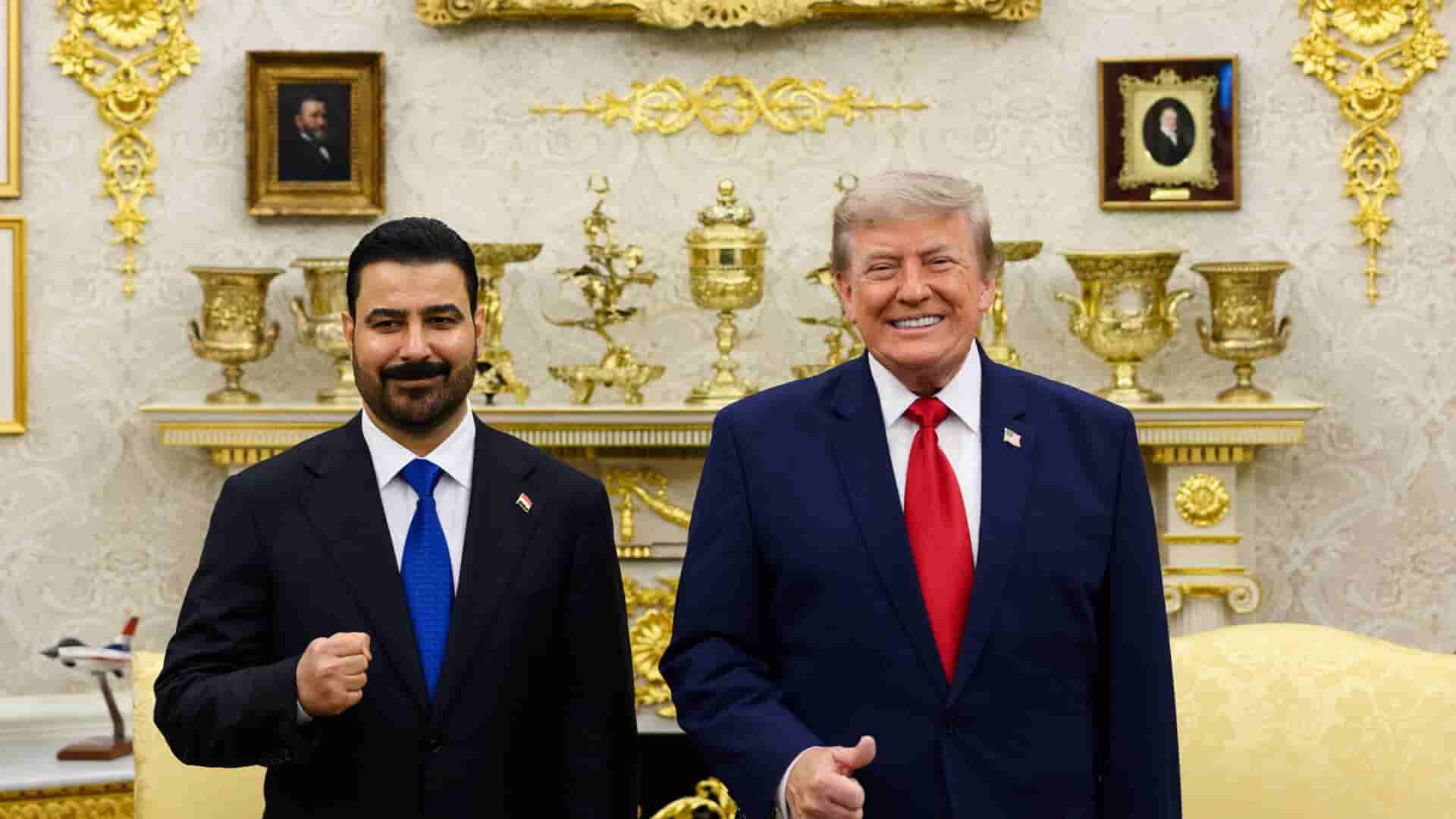
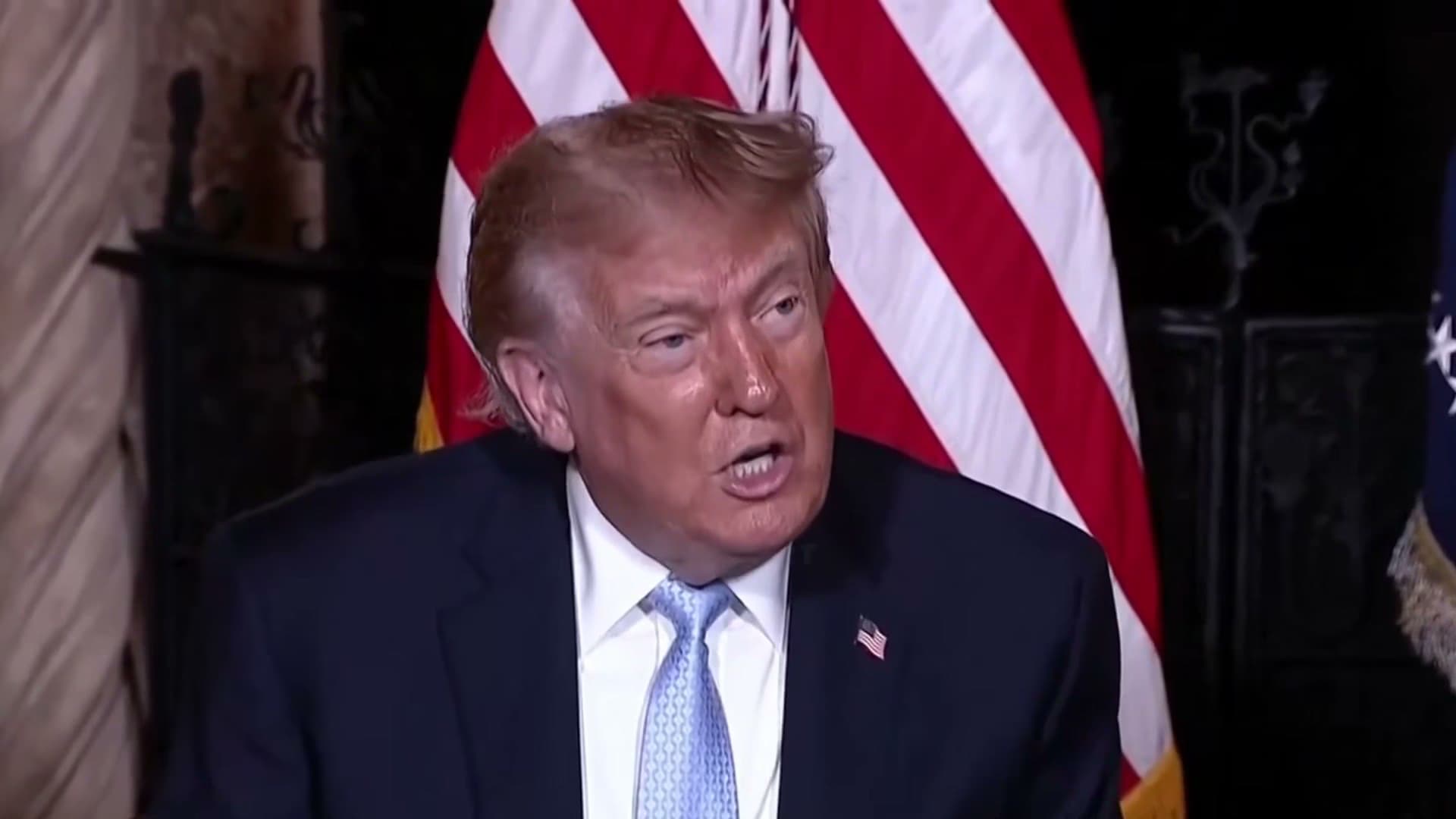
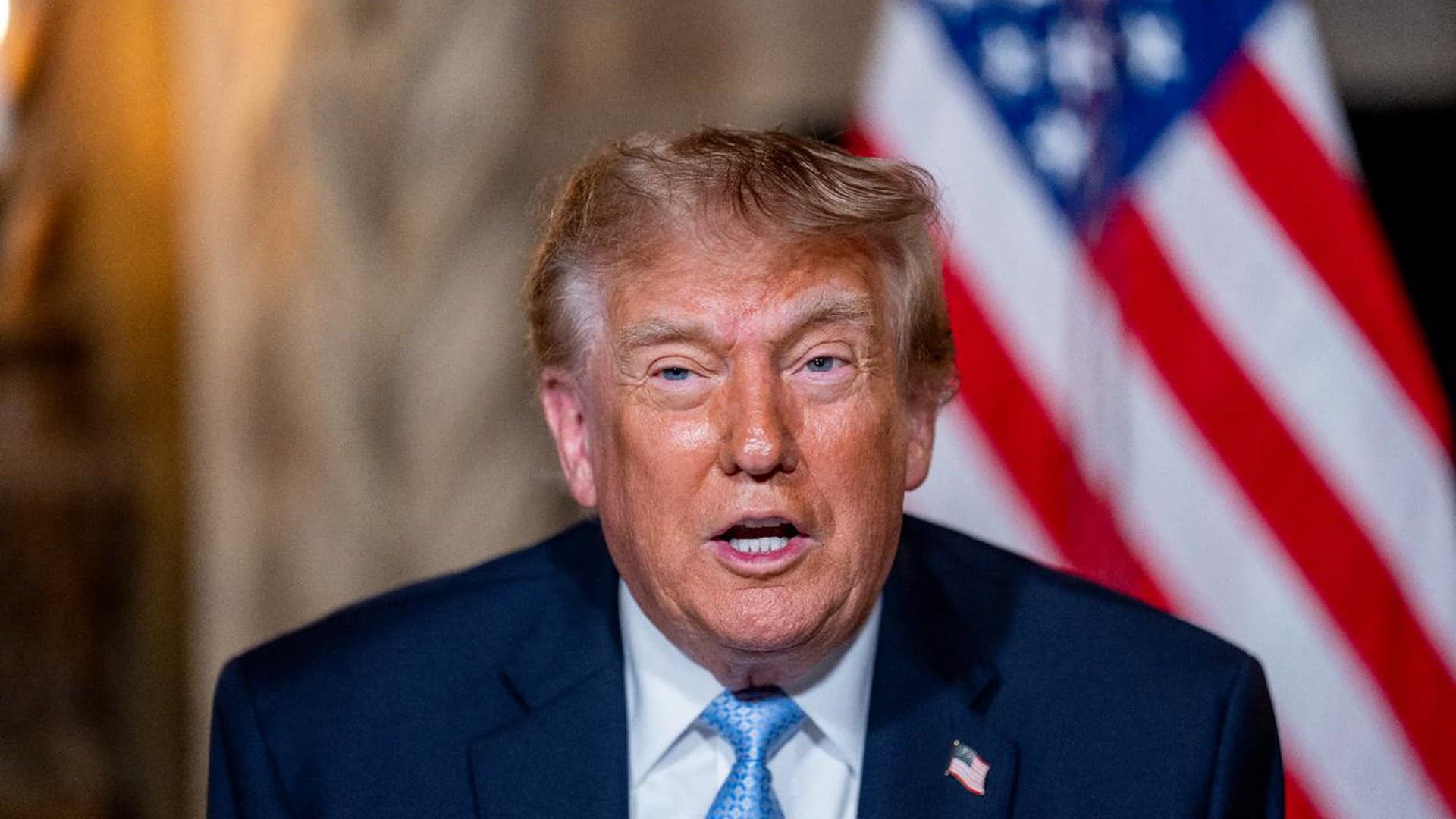
President Donald Trump on Friday publicly backed Iraqi Prime Minister Ali al-Zaidi, endorsing Baghdad's drive to tighten control over the country's borders, oil and armed groups.
"We support Iraqi Prime Minister Ali al-Zaidi's efforts to assert state authority throughout Iraq, stop the smuggling of Iraqi oil, end corruption, and bring all weapons under the exclusive control of the state," Trump wrote on Truth Social.
"We support Prime Minister al-Zaidi's efforts to build a united, prosperous, and strong Iraq that makes its own political decisions," the president added.
Showdown between Baghdad and Kurdistan
The post came three days after al-Zaidi ordered a federal takeover of every border crossing in the Kurdistan Region, following a government inquiry into suspected oil smuggling at the state-owned North Oil Company. The orders also barred the Kurdistan Regional Government (KRG) from issuing oil export permits without approval from the federal Oil Ministry.
The KRG cabinet rejected the orders the same day as unconstitutional, saying Baghdad wanted to return Iraq to centralized rule. Kurdish leader Masoud Barzani said the region would not submit to unconstitutional decisions but would help stop smuggling through legal means. Trump's post did not mention the Kurdistan Region.
Cutting off money to Iran-aligned groups
The Iraqi government describes its moves this month as a campaign against oil smuggling that began in Jurf al-Sakhar, a northern Babil area held since 2014 by Kataib Hezbollah, an Iran-aligned armed faction that denies smuggling oil. Iraqi politicians and analysts quoted by the Baghdad daily Al-Mada saw the operation as tied to a U.S. aim of cutting off money flowing to Iran.
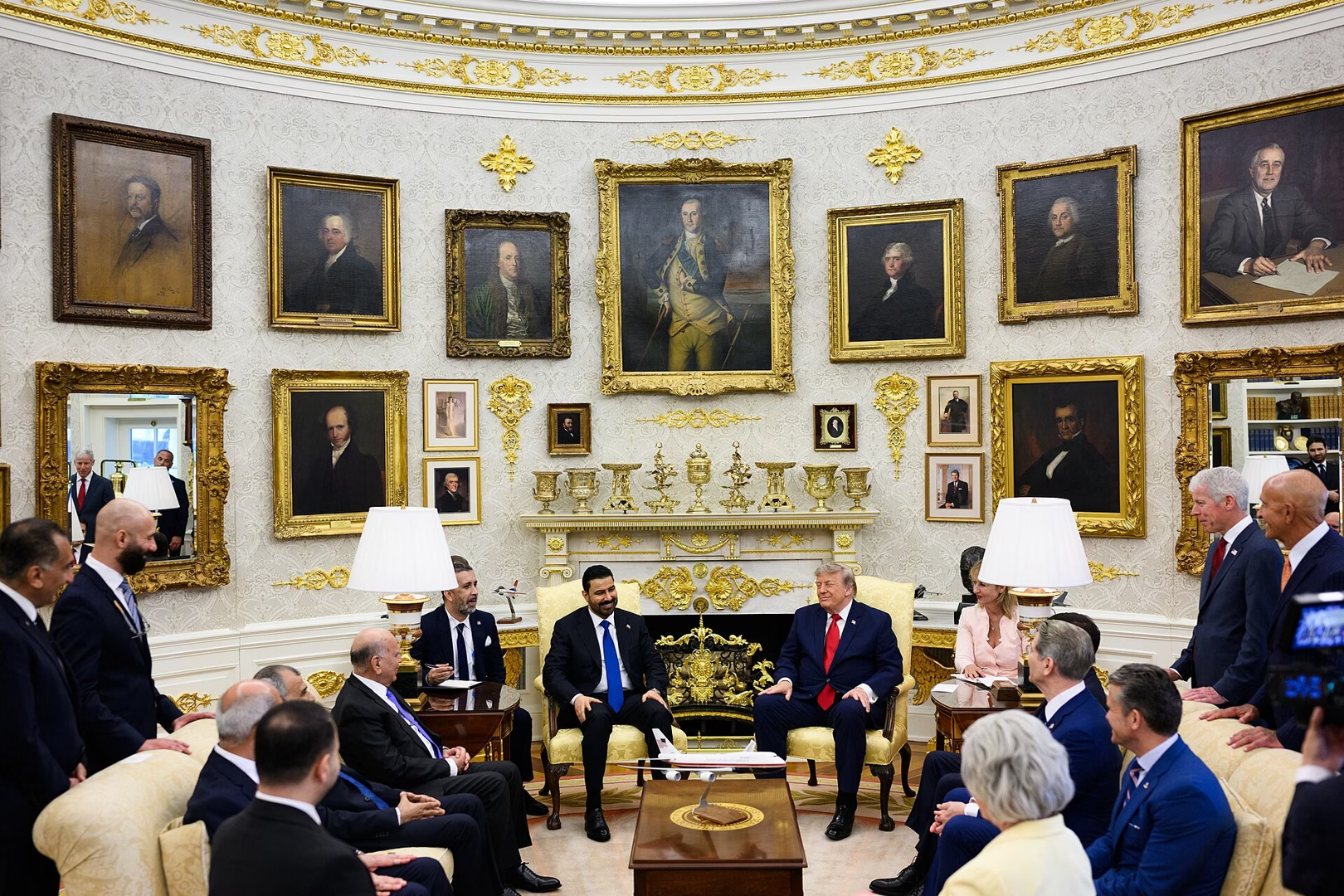
Trump has praised al-Zaidi before, calling him "a strong guy" on Nov. 20 when reporters asked whether he could bring armed groups under state control. The two leaders met at the White House on July 14.
The administration has also pressed Baghdad on energy policy. Washington pushed Iraq and Venezuela earlier this year to consider leaving OPEC, concerned that the cartel's quotas could constrain U.S. investment and production in both countries.