- BIST10010,977+2.18%
- USD50.70+0.04%
- EUR55.61+0.02%
- GOLD3,668.50+2.91%
- INTEREST36.00%-1.00
- BITCOIN59,689-0.30%
- November 28, 20265°
- BIST10010,977+2.18%
- USD50.70+0.04%
- EUR55.61+0.02%
- GOLD3,668.50+2.91%
- INTEREST36.00%-1.00
- BITCOIN59,689-0.30%
- November 28, 20265°
U.S.-backed Boehly deal would take Lukoil's foreign assets, U.S. gas stations included
Billionaire investor Todd Boehly, partnering with the U.S. International Development Finance Corporation, has struck a deal with sanctioned Russian oil giant Lukoil to swap $10 billion in frozen shares for its international assets, valued at about $16 billion. Treasury still has to sign off.
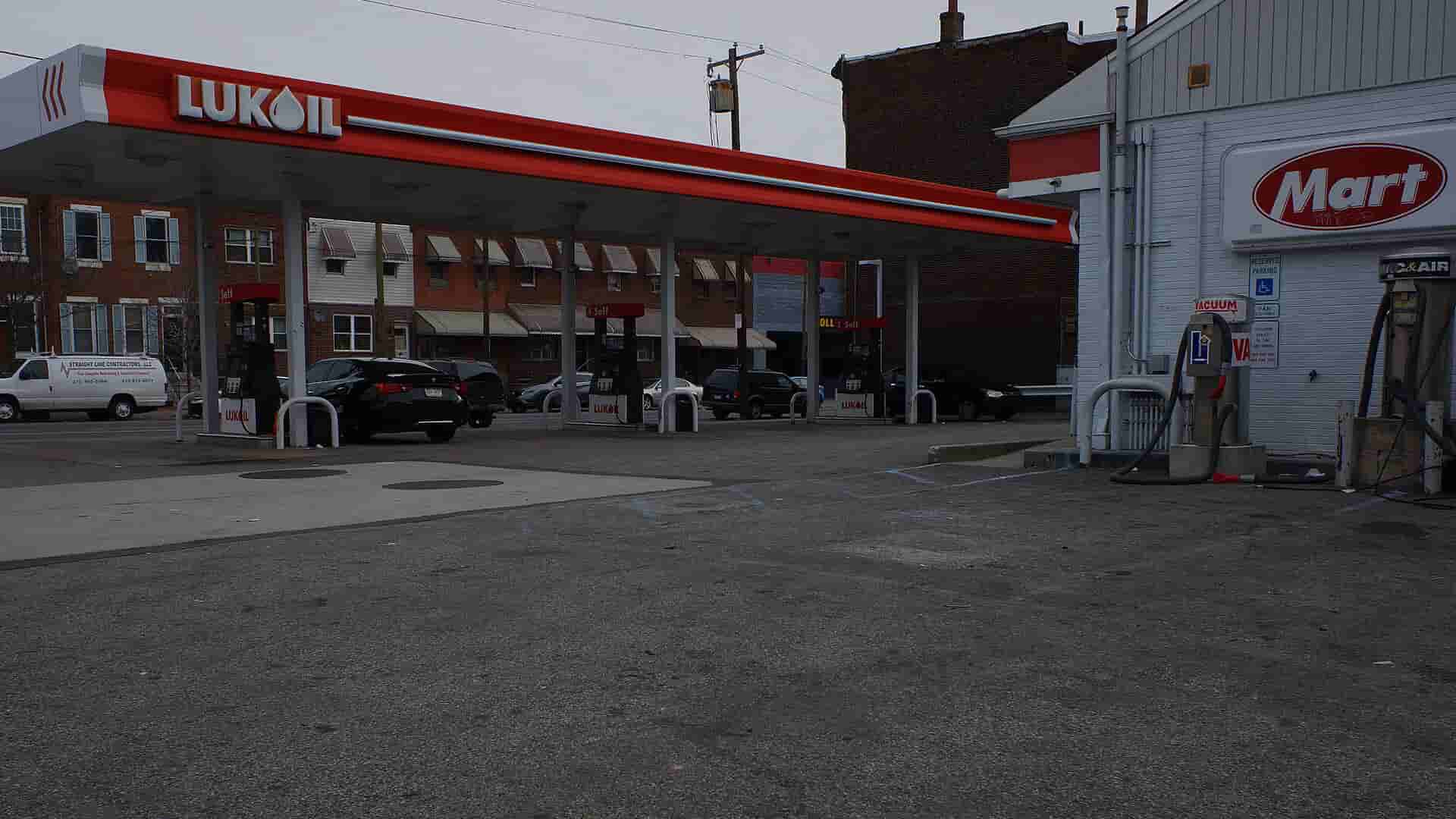
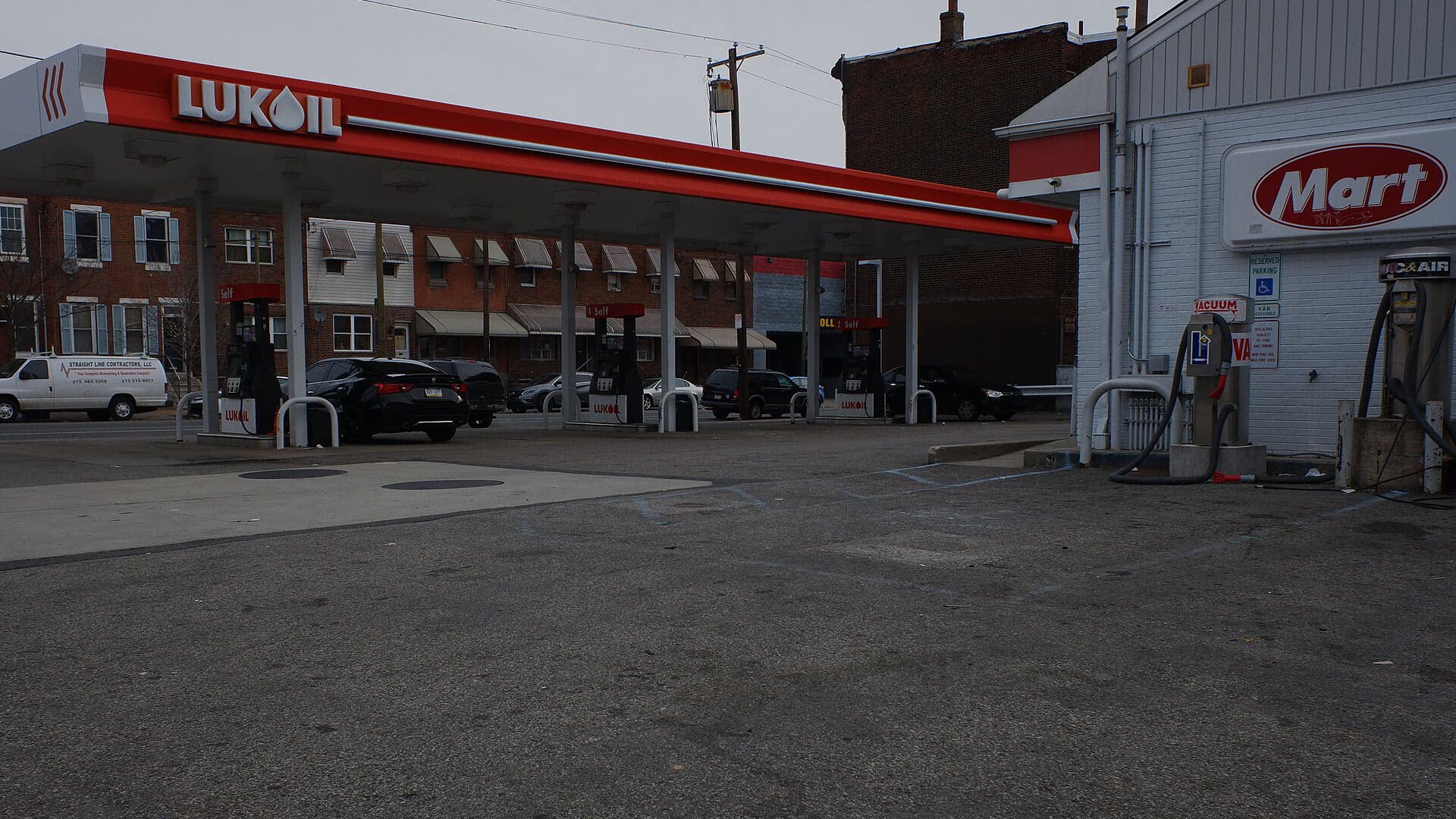
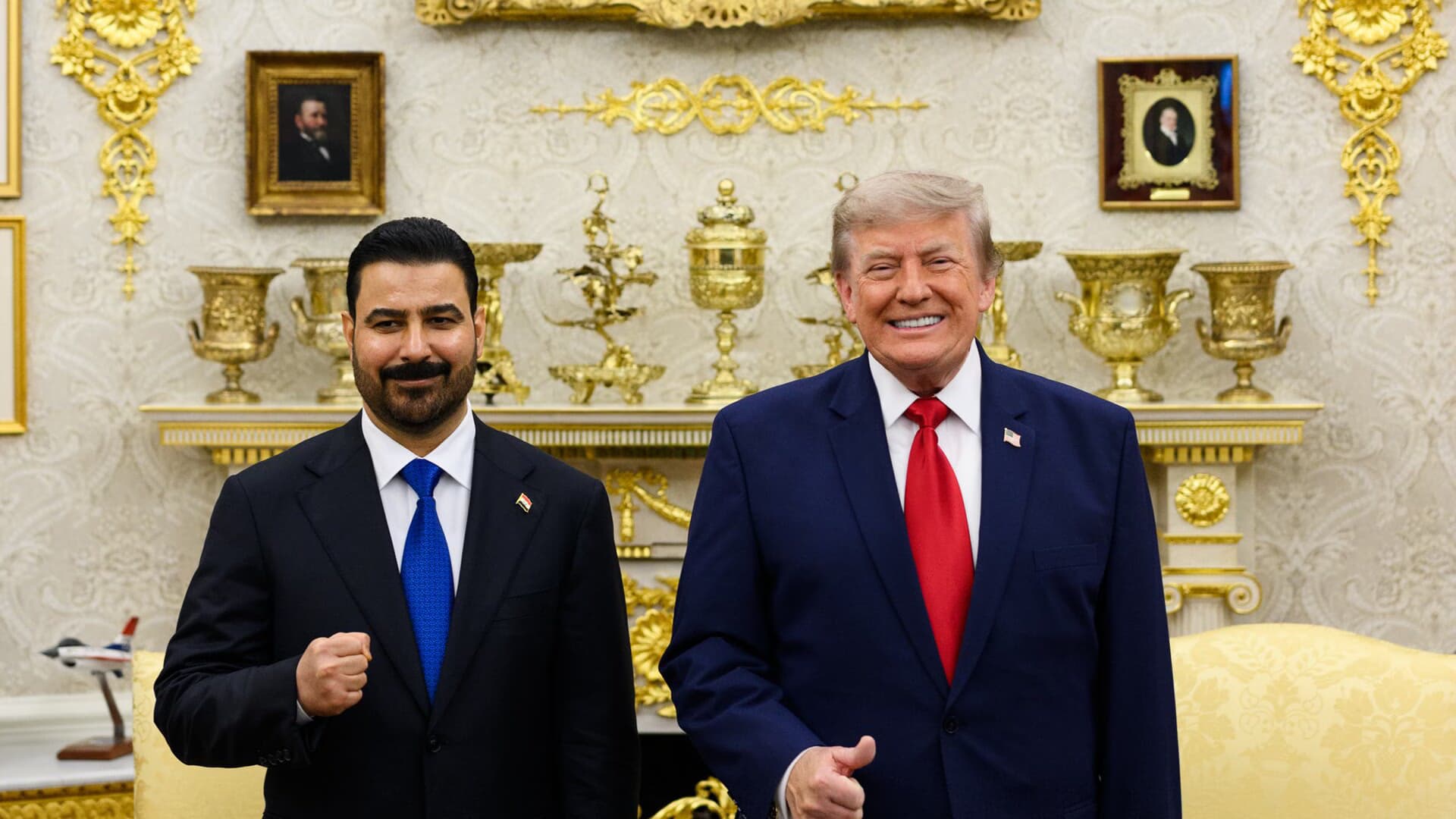
American billionaire Todd Boehly has struck a deal with sanctioned Russian oil company Lukoil to acquire its international energy assets, in a transaction backed by the U.S. government's own development bank, the International Development Finance Corporation (DFC), Boehly told Reuters.
The deal, negotiated for more than a year, would swap roughly $10 billion worth of frozen Lukoil shares for the company's foreign assets, estimated to be worth about $16 billion. The DFC would receive a share of future profits once private investors recoup their capital and an agreed return, and the U.S. side would get a seat on the board of the new company, which will operate under a different name.
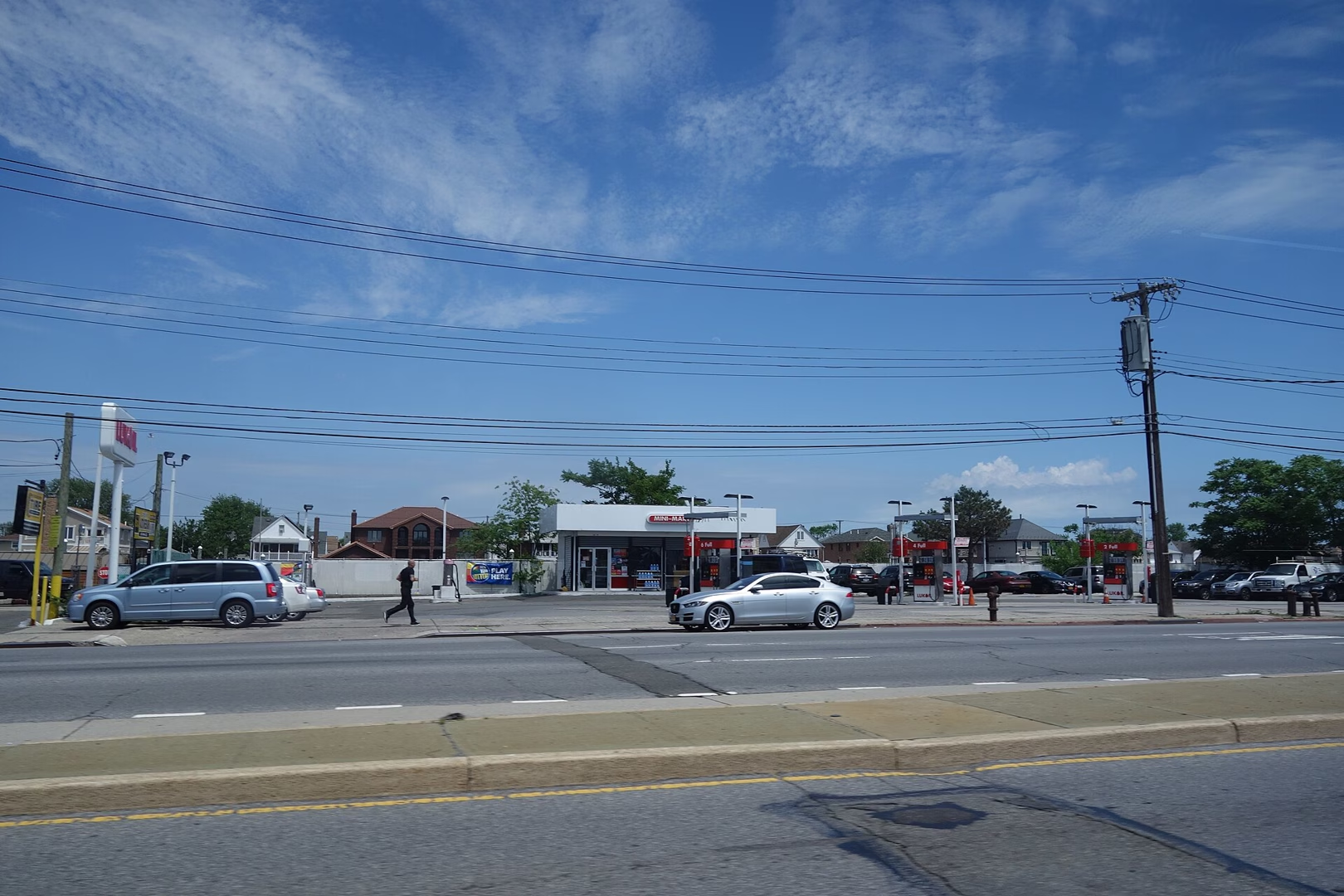
From Kazakhstan to U.S. gas stations
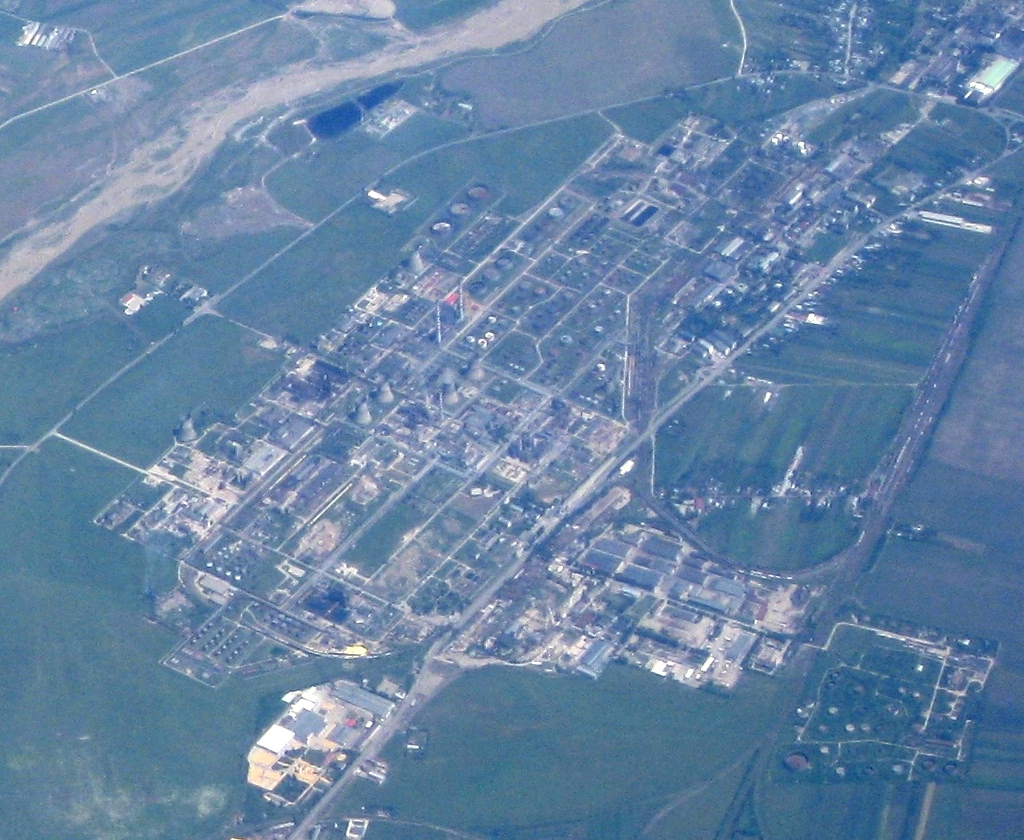
Lukoil's international portfolio spans 11 countries. It includes operations producing about 350,000 barrels of oil per day, major fields in Azerbaijan and Kazakhstan, refineries in the Netherlands, Bulgaria and Romania, and a network of gas stations, including in the United States.
Supporters of the deal say it would limit Moscow's ability to fund its war in Ukraine and replace Russian influence with American influence in strategically important markets. The Lukoil shares being exchanged were previously held by U.S. and British funds and depositary banks and were frozen after Russia's 2022 invasion of Ukraine. They are to be placed in an escrow account in the United Arab Emirates rather than handed directly to the Russian company.
Treasury license still needed
The transaction still requires a license from the Treasury Department's Office of Foreign Assets Control (OFAC), which will review it for national security concerns. Boehly expects to close within a year. The consortium also includes U.S. bank Xtellus Partners and UAE-based Catena Investment Holding. Two other members, the Syrian-Qatari Al-Khayyat brothers and Abu Dhabi's International Holding Company, exited last week, which sources told Reuters may reduce the risk of political criticism over their business ties to Jared Kushner.
Earlier attempts to sell Lukoil's foreign assets collapsed. In 2025, Lukoil accepted an offer from trader Gunvor, which walked away after Treasury Secretary Scott Bessent called it a "Kremlin puppet." In January, Carlyle Group announced its own agreement but never received an OFAC license. Washington sanctioned Lukoil and Rosneft, Russia's two largest oil companies, citing Moscow's lack of commitment to ending the war.
Stay Updated with Ally Daily
Subscribe to be informed about special news, developments and announcements. We will keep you informed.
By signing up, you agree to our Privacy Policy