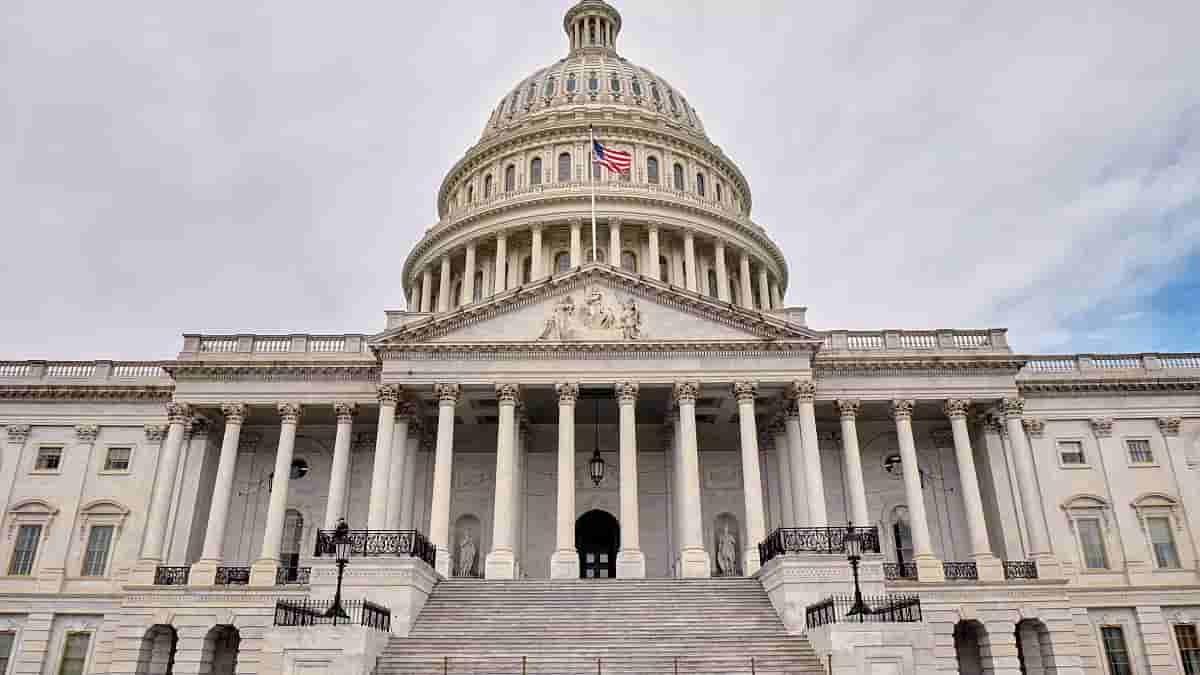
The comprehensive bill aimed at solving the housing crisis in the US took effect without President Donald Trump's signature. The bill, which Trump refused to sign, automatically became law after strong bipartisan support in Congress.
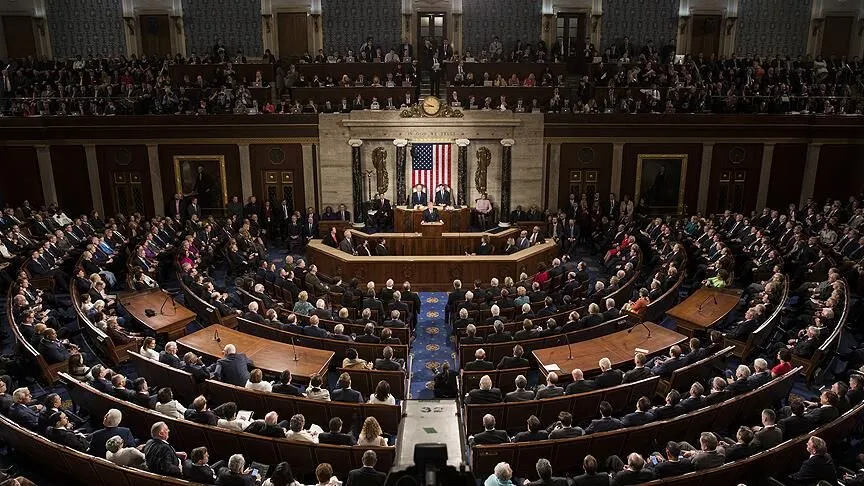
The bill, named the "21st Century ROAD to Housing Act," had passed the House of Representatives 358-32 and the Senate 85-5. The result highlighted the broad support for the legislation.
Trump refuses to sign, but does not veto
Trump announced on Friday via his Truth Social account that he would not sign the bill, but he did not issue a formal veto. He cited the Senate's failure to pass the controversial "SAVE America Act," which would require voter ID and proof of citizenship, as his reason.
Trump said, "The Senate's failure to pass this bill is insanity and a serious threat to every politician who voted against it."
Ten-day deadline passes, bill becomes law
Under the US Constitution, if the president does not veto a bill within 10 business days of receiving it, the bill automatically becomes law. That deadline expired at midnight on Friday, so the housing bill officially became law without Trump's signature.
What the bill aims to achieve
The new law aims to make homeownership more accessible and encourage housing construction nationwide. It includes more than 40 provisions, including measures that limit institutional investors from bulk-buying single-family homes.
The legislation, crafted with input from both Republican and Democratic senators, is seen as a joint response to home prices reaching unaffordable levels for families.
Trump had previously called the bill "insignificant" and "boring," and canceled a planned signing ceremony in June for the same reason. According to data from the National Association of Realtors, the median price of existing homes sold in June rose to a record $440,600.
Criticism from both parties
Democrats criticized Trump's stance as evidence of his indifference to the cost-of-living crisis. Senate Democratic Leader Chuck Schumer said, "Millions of Americans are being crushed by housing costs. Donald Trump called this crisis 'boring,' then refused to sign the most significant bipartisan housing bill in decades."
Criticism also came from his own party. Republican Congressman Mike Lawler said the president should have signed the bill and claimed victory.