- BIST10010,666-3.94%
- USD50.63+0.05%
- EUR55.32-0.44%
- GOLD3,498.50-2.58%
- INTEREST36.00%-1.00
- BITCOIN57,885-3.11%
- November 25, 20264°
- BIST10010,666-3.94%
- USD50.63+0.05%
- EUR55.32-0.44%
- GOLD3,498.50-2.58%
- INTEREST36.00%-1.00
- BITCOIN57,885-3.11%
- November 25, 20264°
Huang's return sparks $1 trillion Nvidia rebound, reviving Wall Street's AI trade
Jensen Huang's reinstatement as Nvidia CEO sent the chipmaker's value up by nearly $1 trillion and lifted AI stocks worldwide, reversing weeks of selling. But stocks cooled on Tuesday as probes and AI credit worries linger.
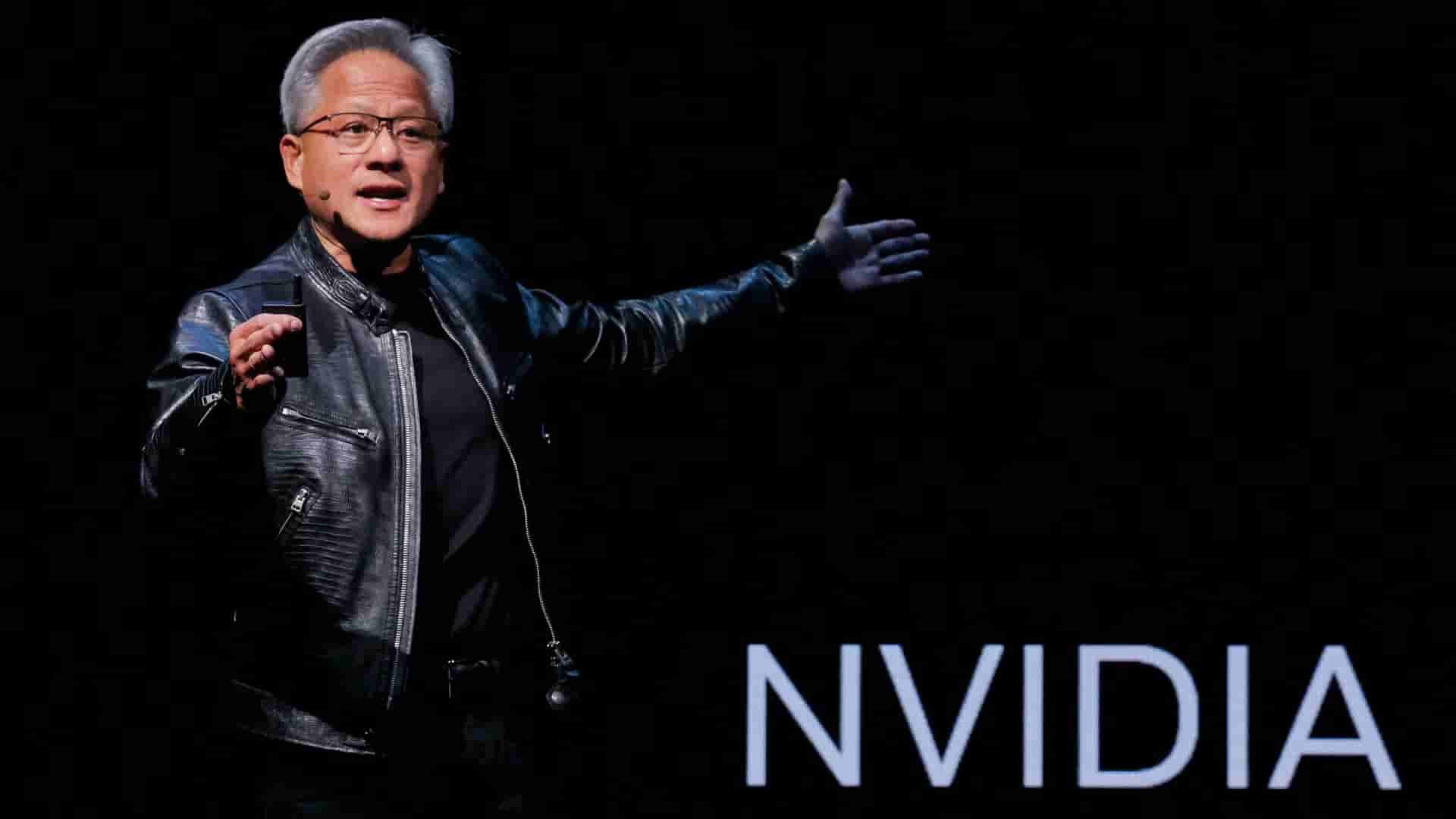
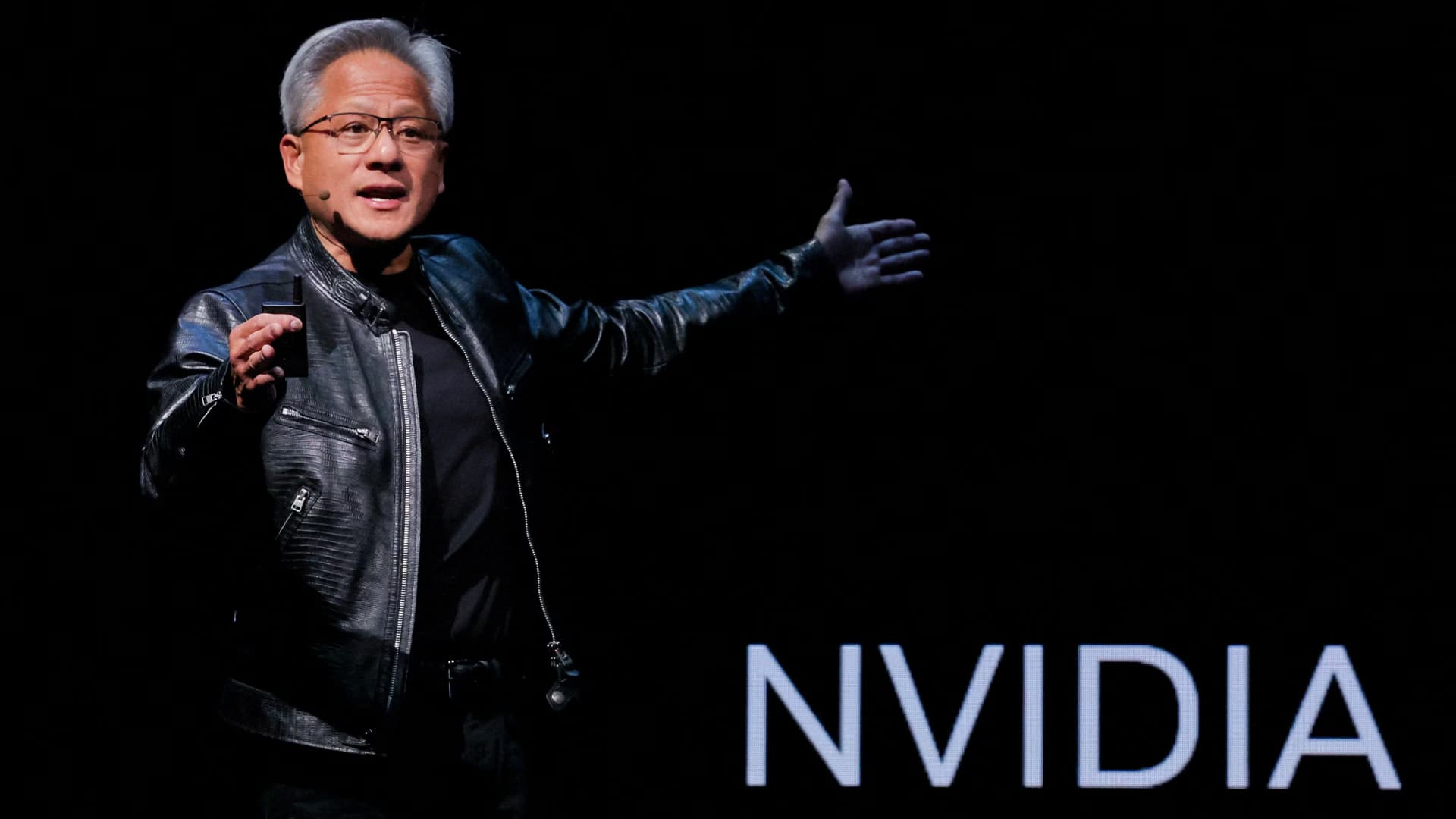
Jensen Huang's return as chief executive of Nvidia has reversed weeks of heavy selling in artificial intelligence stocks, at least for now. Nvidia shares opened about 30% higher on Monday after the board unanimously reinstated Huang, adding close to $1 trillion to the company's market value.
The rebound spread across Wall Street. The Nasdaq-100 was on track for a gain of more than $2 trillion in market value on Monday, with chipmakers, data center operators and other AI-linked companies leading the advance. Only last week, the sell-off had pushed U.S. stocks into a bear market, more than 20% below their peak.
Asia joins the rally
The relief spilled into Asia on Tuesday. Taiwan's benchmark jumped 9%, with Nvidia's main contract manufacturer TSMC and assembler Foxconn both rising nearly 10% to their daily limits. MSCI's broadest index of Asia-Pacific shares outside Japan climbed about 4%, its biggest one-day gain since July.
But the euphoria faded in the U.S. on Tuesday. Nasdaq futures and Nvidia shares gave back part of Monday's gains ahead of new inflation data, as investors weighed how much of the turmoil is really over.
Risks have not gone away
Nvidia's leadership crisis began on Oct. 29, when Huang resigned amid allegations involving personal relationships and an alleged spy. Investigations into those allegations continue, and the Securities and Exchange Commission is reviewing the company's accounting practices. Analysts also expect possible clashes between Huang and board members who backed his ouster.
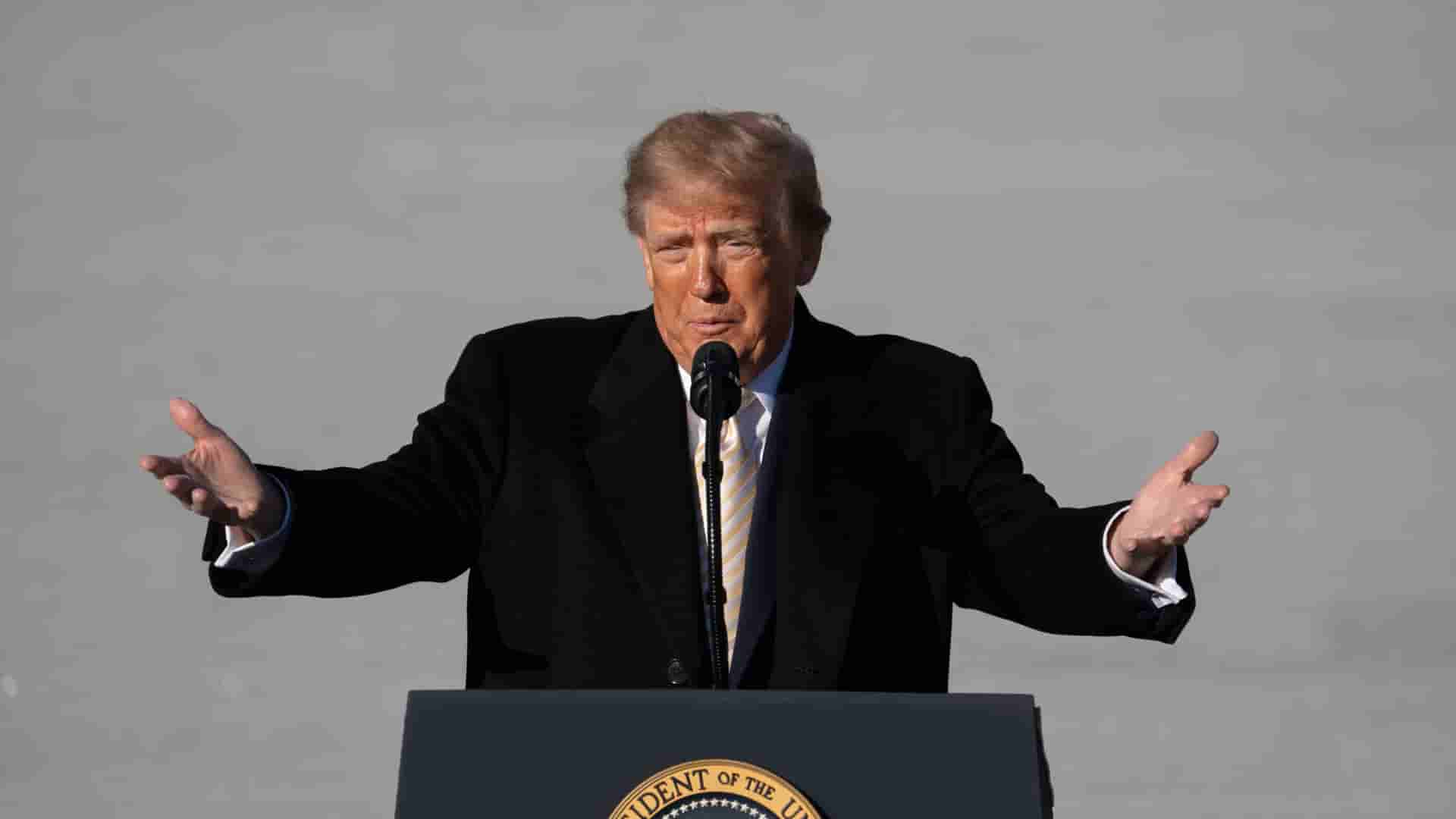
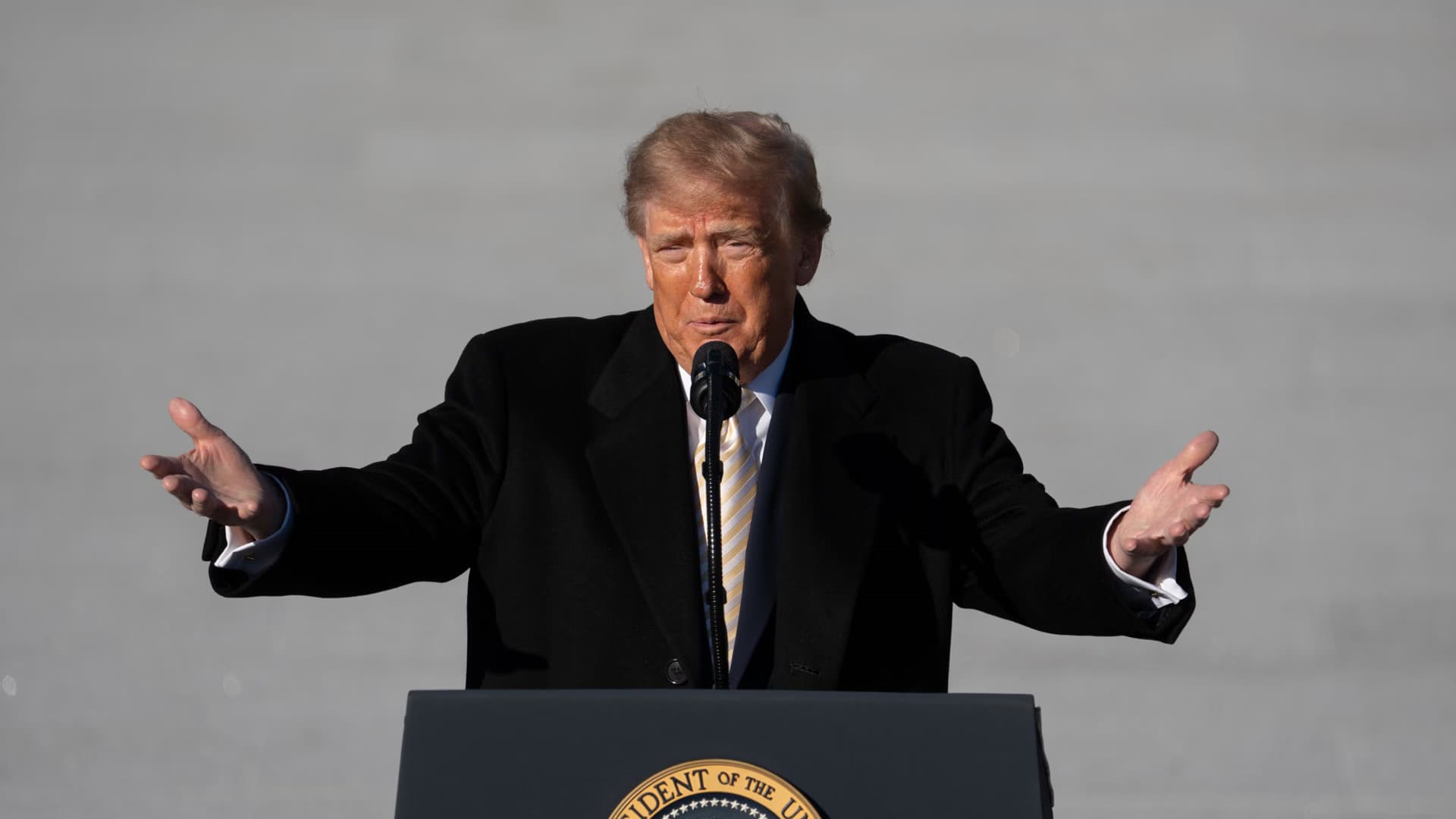
Huang, in his first message to staff since returning, said: "Thank you all for the second chance. I'm going to be a better CEO the second time around." President Donald Trump has said he personally urged the board to bring Huang back.
Cracks in AI credit
Worries about the AI boom's "circular" financing, in which Nvidia invests in AI firms that then buy cloud capacity running on its chips, have eased with Huang's return. Strains remain in AI debt markets, however: HSBC reportedly sold $300 million of data center loans at a 15% discount, while ING failed to find buyers at acceptable prices for about $500 million in data center debt.
The sell-off also spilled into other assets as investors scrambled for cash. Gold fell 8.9% last week, its steepest weekly drop since March.
Stay Updated with Ally Daily
Subscribe to be informed about special news, developments and announcements. We will keep you informed.
By signing up, you agree to our Privacy Policy