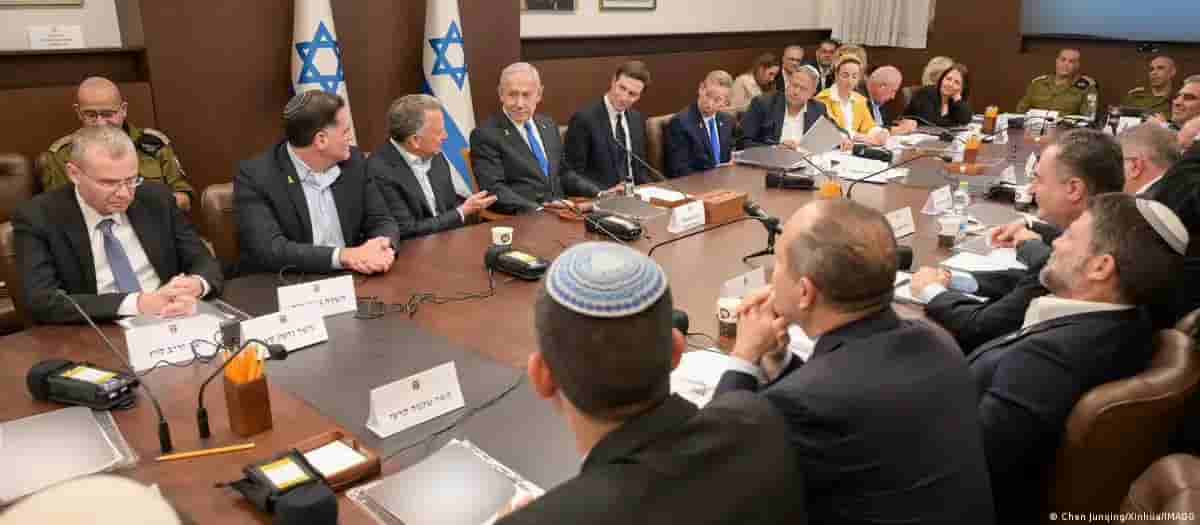
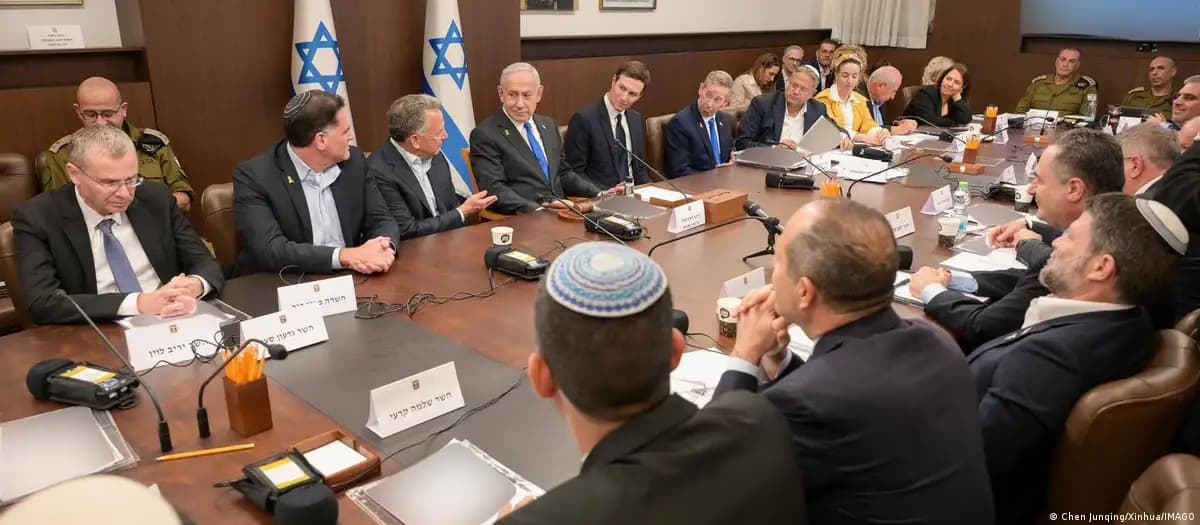
Indirect negotiations between Iran and the US, mediated by Qatar and Pakistan in Doha, resulted in a one-week temporary military calm agreement. According to Lika Mekki, a researcher at the Al Jazeera Center for Studies, the accord serves as a concrete roadmap for the next stage.
The short-term calm also aligns with both countries' domestic agendas: while the US celebrates the 250th anniversary of its independence, Iran is holding mourning ceremonies for its deceased religious leader Ali Khamenei. However, the question remains whether this temporary easing is merely a tool to keep tensions under control or a harbinger of a new escalation.
According to Mekki, US special envoys Jared Kushner and Steve Witkoff conveyed critical messages to the Iranian side through the Qatari mediator. The messages stressed that the gains Tehran would reap from the memorandum—such as nuclear warheads and oil sales—would far outweigh any benefit from the Strait of Hormuz. Washington also warned that any violation in the Strait of Hormuz could entirely void the accord.
Touching on the financial arrangement, Mekki said the accord provides for the release of $3 billion to Iran instead of $6 billion. The amount is to be used for purchases and payments through restricted bank accounts, with no cash delivery. This formula is reportedly acceptable to Iran and does not make Tehran solely dependent on the American market.
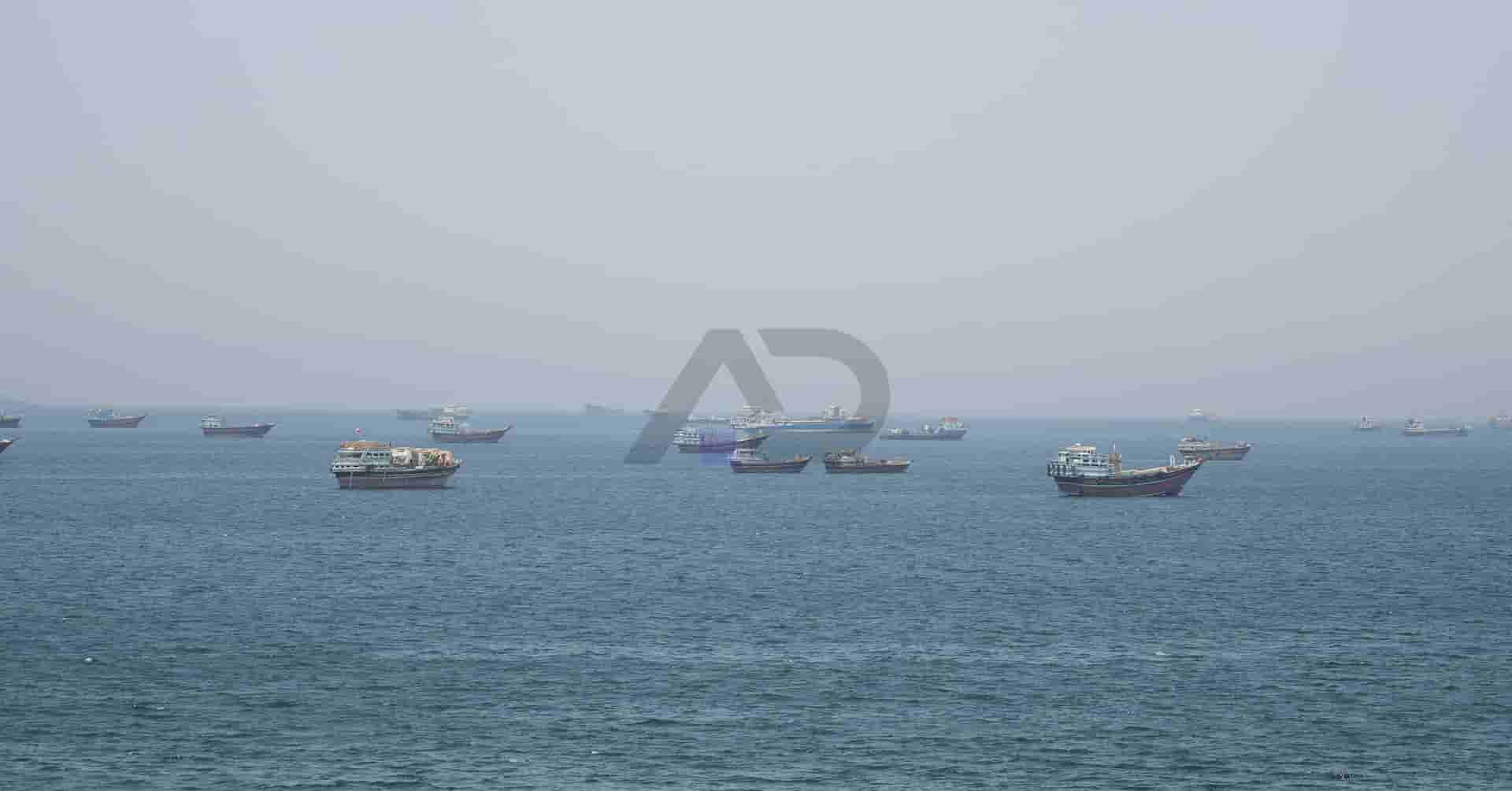
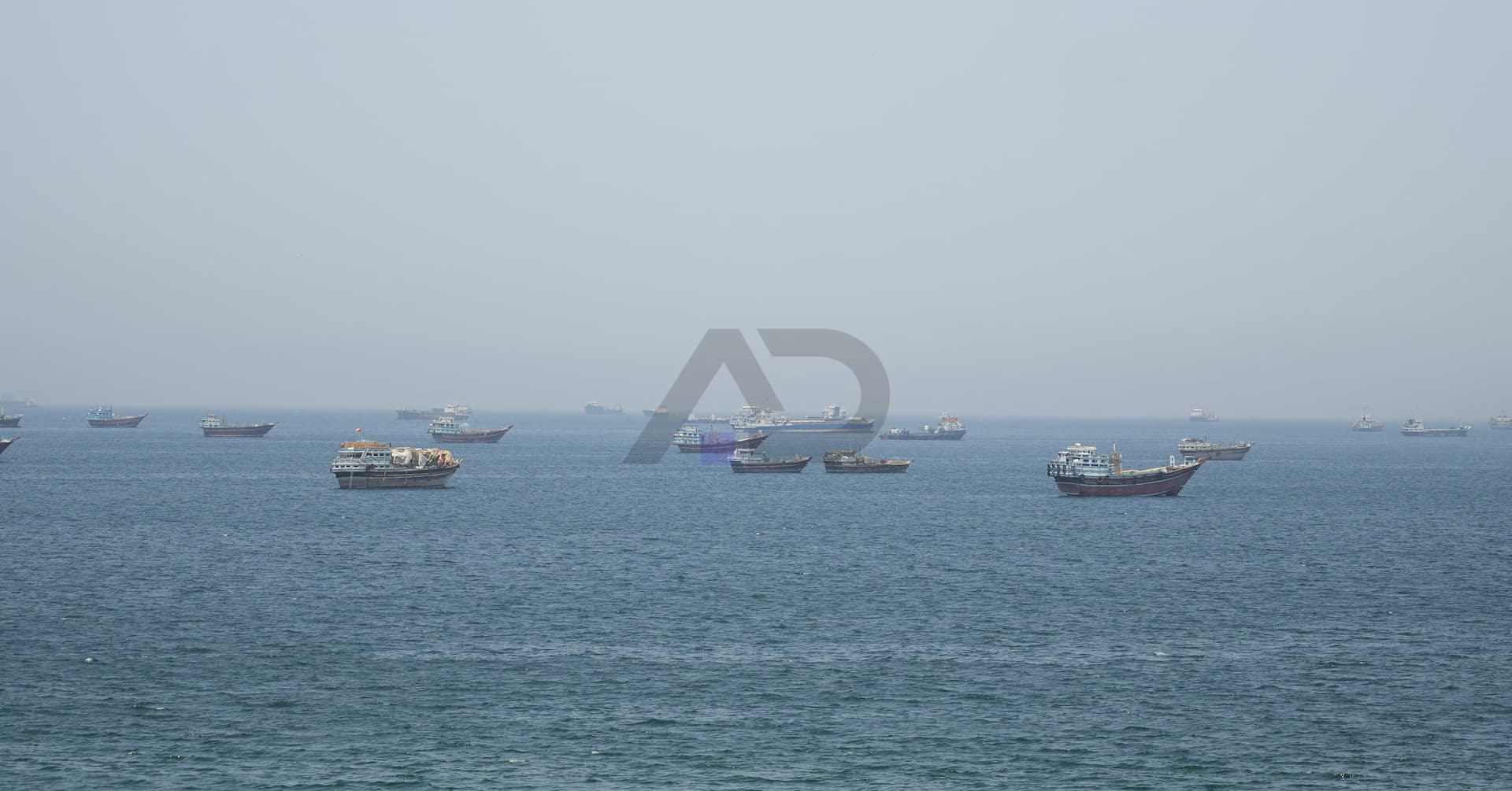
At the regional level, Gulf countries have begun working on an initiative regarding the Strait of Hormuz following the 60-day process. It is underlined that Iran, thanks to the memorandum, has gained authority to consult with regional countries but retains the final decision. According to Mekki, the Strait of Hormuz and the Lebanon files—where Israel's violations continue—will not affect the continuation of negotiations.
Qatar’s Foreign Ministry Spokesperson Majid al-Ansari announced that Witkoff and Kushner were in Doha and discussed with mediators the implementation of the US-Iran memorandum.
Meanwhile, Iran expert Mohammed Saleh Sadiqian points to legal obstacles and differing positions. He notes that the US administration faces congressional restrictions that ban financial transactions and sales with Iran. Iranian Deputy Foreign Minister Gharibabadi also stated that the 60-day period has not yet started and that the suitable environment is awaited. While US media reports that President Donald Trump is open to extending the period to 90 or 200 days, Iranian officials are displaying a cautious and prudent stance.
Middle East policy expert Mahjoub al-Zuwayri argues that the 'status quo preservation strategy' adopted by the parties is slowing the negotiation process and keeping alive the risk of returning to conflict. According to al-Zuwayri, this structural hesitation manifests in the following points:
- The US: Unwilling to take concrete steps to lift sanctions and reluctant to pressure Israel to facilitate progress in southern Lebanon.
- Iran: Showing clear hesitation in making firm decisions about opening the Strait of Hormuz.
Al-Zuwayri added that the lack of trust between the parties condemns post-60-day negotiations to a 'turtle’s pace,' and that the status quo preservation strategy could blow up the process at any moment, although that would not necessarily lead to an all-out war.
The US and Iran had signed an electronic memorandum on June 17 aimed at ending the war. This memo had paved the way for second-stage negotiations to reach a final agreement within 60 days.