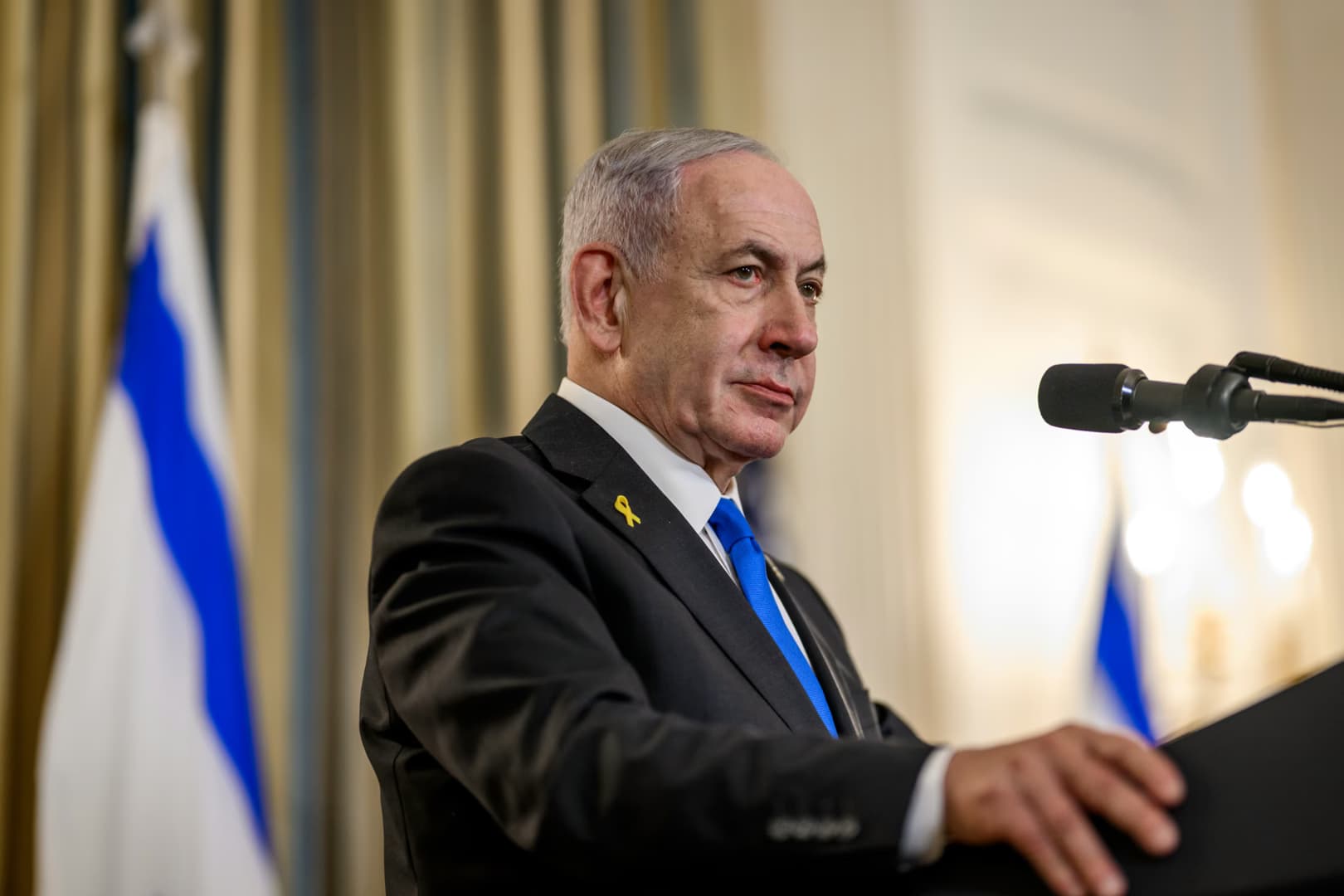
International press has focused on Israeli Prime Minister Benjamin Netanyahu's political future, caught between internal and external pressures, and other critical developments in the Middle East.
Mediapart: Netanyahu falls into his own trap
French Mediapart site described the political dilemma Netanyahu faces as 'a victim of his own strategy.' According to the site, the Israeli Prime Minister is stuck between multiple pressures threatening his political future.
In Mediapart's analysis, it is stated that Netanyahu has relied on crisis management for years to strengthen his political position, but today he is surrounded by the consequences of his own choices. It is emphasized that as the parliamentary elections planned for autumn approach, his strategy has seriously narrowed his room for maneuver.
The French publication wrote that Netanyahu faces a difficult equation: efforts to please Washington may clash with the stances of far-right partners within the government, while responding to coalition partners' demands may increase international pressure. Mediapart commented that the Israeli Prime Minister is in a political trap of his own making.
According to Al Jazeera's international press roundup, Netanyahu is facing sharp domestic criticism for supposedly making concessions to Iran, and there are calls to maintain escalation. At the same time, the US administration demands a de-escalation with Tehran. Both sides are partners on whom Netanyahu depends to keep his governing coalition alive.
Haaretz: Collective punishment continues in West Bank
In an article by Gideon Levy published in the Israeli newspaper Haaretz, it was alleged that Israel is pursuing a collective punishment policy in the West Bank similar to that in Gaza.
Levy stated that the consequences of the Gaza war are not limited to that region but have spread to the West Bank through measures, restrictions, and constant escalation. According to the author, this policy is based on collectively punishing Palestinians even before they carry out any armed action.
New York Times: Ceasefire uncertainty in US-Iran tensions
The New York Times linked the renewed tension between Washington and Tehran to the vagueness of the ceasefire agreement between the two sides.
According to analyst comments cited by the newspaper, the flexible wording that allowed the passage of the agreement opened the door for different interpretations by both sides. Washington believes it maintains freedom of navigation, while Tehran argues that the transit guarantee is temporary and demands a greater role in navigation management and passage fees.
Guardian: Lebanon agreement may hinder international justice
The British Guardian newspaper featured the views of human rights advocates warning that a final agreement between Lebanon and Israel could close avenues to international justice.
The article stated that the framework agreement includes provisions related to the cessation of hostilities and international legal processes. This has raised concerns that the efforts of victims and human rights organizations to pursue those responsible for violations during the war before international courts could be restricted.