Lebanese President Joseph Aoun met with US Central Command (CENTCOM) Commander General Brad Cooper just before the implementation of the framework agreement with Israel began. During the meeting, Aoun reiterated his commitment to extending state authority to the southern border through the armed forces.
A statement from the Lebanese Presidency said Aoun and Cooper discussed "preparations for the implementation of the framework agreement approved as a result of the Lebanon-US-Israel negotiations in Washington." Aoun emphasized "the Lebanese state's determination to extend its authority, through its armed forces, up to the internationally recognized southern border."
Cooper also met with Lebanese Army Chief of Staff General Rodolph Haykal. The Lebanese Army Command stated that the meeting addressed "the success of the implementation mechanism of the security appendix of the framework agreement and ways to strengthen future cooperation." Haykal appreciated US support and pointed to the importance of continued cooperation between the two armies for Lebanon's security and stability.
CENTCOM announced on social media platform X that Cooper discussed with Aoun and Haykal "ways to advance the implementation of the historic framework agreement" and also visited Israel to meet with US forces there.
The US Embassy in Beirut also issued a statement. It said the meeting addressed "the roadmap for the next phase and the official start of the implementation of the framework agreement," aiming to rapidly and tangibly build on the momentum created by the agreement. The embassy stated that the agreement "offers a realistic path out of the current conflict, establishing a clear and orderly process aimed at restoring Lebanon's sovereignty and disarming Hezbollah."
US Direct Monitoring Role
A US official speaking to the Washington Post on condition of anonymity said Washington will directly monitor the movements of the Lebanese and Israeli armies, using American ground forces in both countries. The official stated that the US has had soldiers in Lebanon on monitoring duty since the 2024 agreement and will now detect violations by both sides.
The same source said this operation will allow "political leadership to exert the necessary pressure on the parties to fulfill their obligations." The official added that the CENTCOM commander will not take on a direct monitoring role, but CENTCOM officials will report violations to the Trump administration, and intervention will occur at that level.
According to the framework agreement text published by the US State Department, the Lebanese army must "re-establish effective sovereign authority over all Lebanese territory after confirming the disarmament of non-state armed groups and the dismantling of their infrastructure." Following this process, the Israeli army will gradually withdraw from Lebanese territory.
Reactions from Israel
Israeli Defense Minister Yisrael Katz announced that he agreed with the CENTCOM commander "not to withdraw from security zones in Lebanon, Syria, and Gaza." Katz emphasized that there will be no withdrawal beyond two trial areas in southern Lebanon unless Hezbollah is disarmed.
Katz also argued that the connection between the Iranian and Lebanese fronts is in the US interest, saying, "Without this connection, Hezbollah would have collapsed long ago." Stating that they have moved to an alternative plan following US-imposed restrictions, Katz said, "We are deepening the yellow line area in southern Lebanon."
Israel's Ambassador to Washington, Yechiel Leiter, said his country is making progress towards a "peaceful future" with Lebanon. Leiter stated, "Our actions on the battlefield and at the negotiating table send a single message: There is no place for Hezbollah in Lebanon."
Clashes Continue
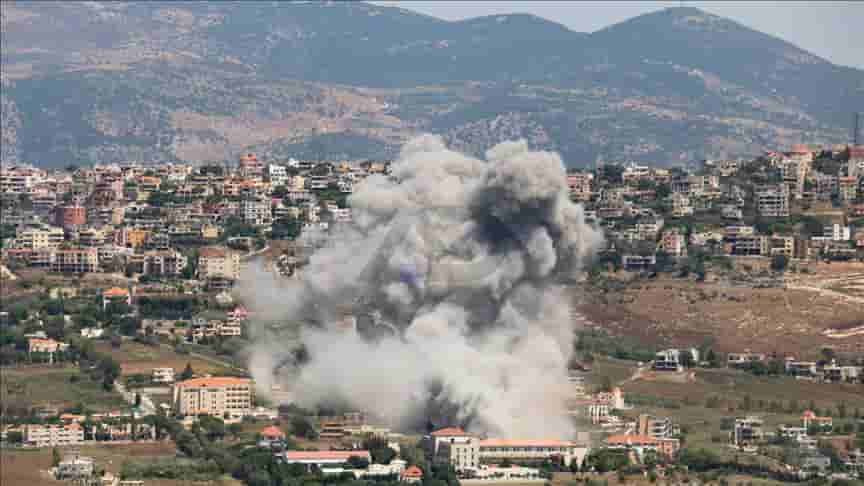
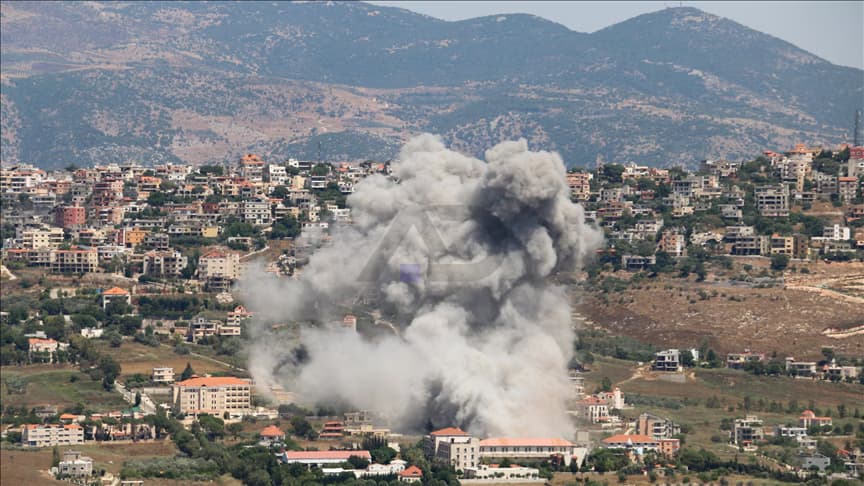
Meanwhile, clashes continue in southern Lebanon. The Israeli army announced yesterday that a soldier was seriously wounded, without providing details of the explosion. Israel's Channel 12 reported that the wounded soldier was injured during an operation by a commando brigade unit in the town of Arnoun in the Nabatieh district.
On Sunday, the Israeli army announced that a captain from the Golani Brigade was killed and a soldier wounded in a clash in southern Lebanon. In response, according to the official Lebanese news agency NNA, Israeli warplanes and artillery fire targeted the town of Deir Seryan; no casualties or material damage were reported.