UN High Commissioner for Human Rights Volker Türk, in his opening speech at the 62nd session of the UN Human Rights Council in Geneva, stated that the war in the region targets not only military and diplomatic balances but also the right to life, security, and dignity of millions of people.
Türk welcomed the agreement reached between the US and Iran, which foresees an immediate and lasting ceasefire, reopening of the Strait of Hormuz, and a framework for new negotiations. However, he emphasized that at this fragile stage, the parties must implement the agreement swiftly and in good faith.
The agreement is seen as the first significant diplomatic milestone toward ending the war that began in February with US and Israeli attacks on Iran, which caused thousands of deaths and major shocks in energy markets.
Emphasis That Regional Crisis Cannot Be Resolved Solely by Washington-Tehran Accord
Türk stated that the crisis cannot be resolved solely through the Washington-Tehran agreement. His speech highlighted Israel’s attacks on Iran, operations in Lebanon, Hezbollah’s cross-border attacks, and ongoing destruction in Gaza.
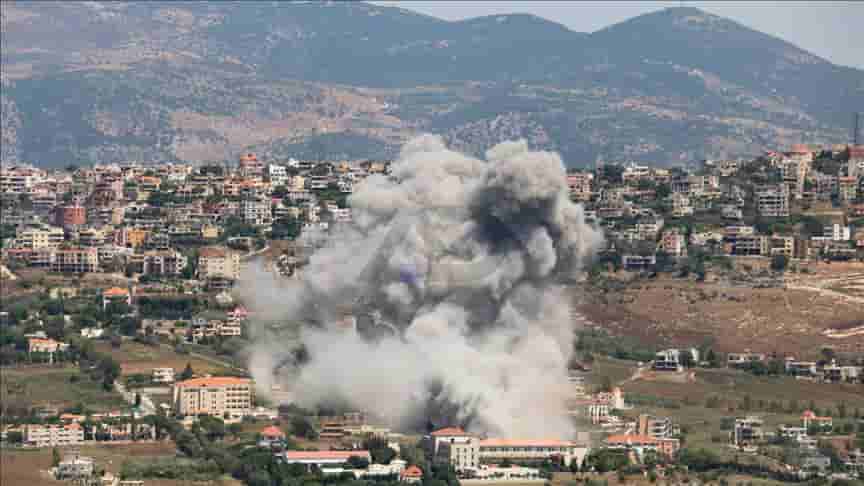
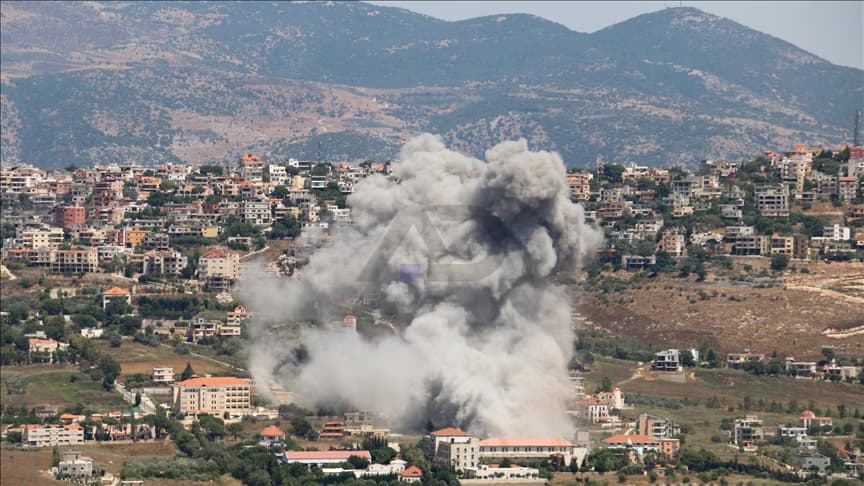
The UN High Commissioner for Human Rights also expressed concern over Israel’s attacks on settlements and infrastructure in Lebanon, seen as the main obstacle after the agreement. He called for an immediate halt to hostilities, Israel’s withdrawal from Lebanese territory, and investigations into alleged violations of international law.
Serious Violations Warned in Gaza and West Bank
Türk reserved the harshest part of his speech for Gaza and the occupied Palestinian territories. Since the ceasefire declared in October 2025, he said approximately one thousand Palestinians have been killed by Israeli forces in Gaza, the vast majority of whom are civilians.
He stated that Israeli authorities are increasingly confining Palestinians to a shrinking area, restricting vital aid, deepening the humanitarian disaster. In the West Bank, he noted that violence by the Israeli army and settlers, destruction, land seizures, and de facto annexation processes are accelerating.
He reported that dozens of Palestinians have been killed, hundreds detained, and many land confiscation orders issued in the West Bank this year. According to Türk, discussions by some senior Israeli officials about completely displacing Palestinians in Gaza and eliminating the possibility of a viable Palestinian state reflect a wholly illegal approach.
Call for Investigation Findings on School Attack in Minab
Türk also renewed his call for the US to publicly release investigation findings regarding the attack on the Shaceretü’t-Tayyibe Girls’ Primary School in Minab on February 28, which resulted in the deaths of many children.
He dedicated a separate section of his speech to new warfare technologies. He said the use of drones and autonomous weapons in conflict zones such as Gaza, Lebanon, Myanmar, Sudan, and the Democratic Republic of Congo has created a new hellish cycle for civilians.
Türk urged states to seriously consider the legal and moral consequences of these technologies, emphasizing that autonomous weapons cannot grant anyone the authority to commit atrocities. He stressed the need for human oversight, accountability, and updating the framework of international law.
Appeal to G7 Leaders to Prioritize Human Rights
The speech coincided with the G7 summit starting in Évian-les-Bains, France. Türk addressed the G7 leaders gathered across Lake Geneva, urging them to place human rights at the center of their discussions as a fundamental force for stability and progress.
The G7 agenda includes the Iran war, Ukraine, Gaza, artificial intelligence, energy security, and global economic imbalances. The 62nd session of the UN Human Rights Council will continue in Geneva until July 7.
The session is expected to focus on regional ceasefire efforts following the US-Iran war, the humanitarian disaster in Gaza, Israeli military presence in Lebanon and Syria, autonomous weapons, and the erosion of international law.