Lebanon and Israel will continue the US-mediated talks aimed at ending border tensions in Italy on August 4. A Lebanese official announced on Wednesday that the two countries have begun implementing the plan that includes Israel's gradual withdrawal from southern Lebanon and the deployment of the Lebanese army in the region.
Launched after the war between Israel and Hezbollah that began in March, the talks represent an unusual example of direct dialogue between two countries that have been at war for decades and have no diplomatic relations. A framework agreement was reached last month at the end of five meetings hosted by the US.
The agreement envisages the disarmament of Hezbollah, the withdrawal of Israeli soldiers from southern Lebanon, and the deployment of the Lebanese army in the region. The ambassador-level negotiations later moved to Rome, the capital of Italy, where technical details will be discussed.
First withdrawal takes place
The first Israeli withdrawal under the pilot zone program took place this week from the town of Zawtar al-Gharbiyeh. As Israeli forces left the area, the Lebanese army began deploying soldiers. Officials stated that the return of residents has been postponed until the area is cleared of unexploded ordnance.
Lebanese Prime Minister Nawaf Salam visited the town on Wednesday, planted the Lebanese flag there, and said the state would repair infrastructure and enable people to return to their homes. Salam stressed that this step is important but that Israel must fully withdraw from all Lebanese territory.
Israel continues to occupy a buffer zone about 10 kilometers deep inside Lebanon along the border. Israeli officials argue that this zone is necessary to protect communities in northern Israel from Hezbollah attacks.
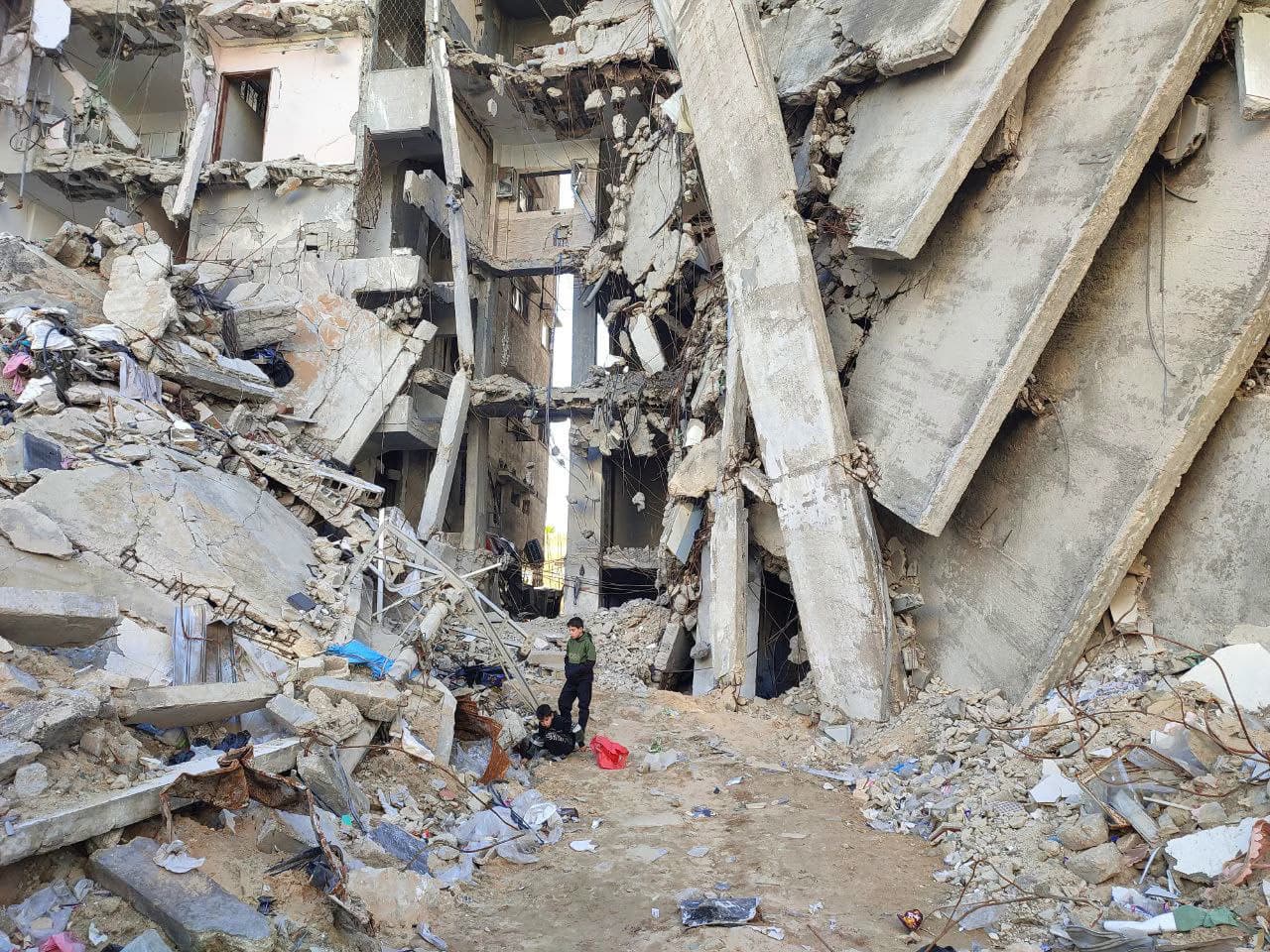
Despite the ceasefire that came into effect last month, Lebanese security sources reported that controlled demolitions are continuing. Tens of thousands of Lebanese cannot return to their homes because their villages are occupied or destroyed.
Israeli officials stated that they will remain in southern Lebanon as long as Hezbollah remains armed. Hezbollah, for its part, rejects the Lebanese government's direct talks with Israel and does not accept full disarmament.
Lebanese President Joseph Aoun, during his first official visit to Washington, said that Israel's withdrawal from Lebanon "could eliminate the main reason that Hezbollah has long cited as justification." Aoun stated that only after that could Hezbollah be disarmed.