- BIST10010,977+2.18%
- USD50.70+0.04%
- EUR55.61+0.02%
- GOLD3,668.50+2.91%
- INTEREST36.00%-1.00
- BITCOIN59,658-0.35%
- November 28, 20265°
- BIST10010,977+2.18%
- USD50.70+0.04%
- EUR55.61+0.02%
- GOLD3,668.50+2.91%
- INTEREST36.00%-1.00
- BITCOIN59,658-0.35%
- November 28, 20265°
Loudoun County sheriff ends ICE jail holds after appeals court ruling
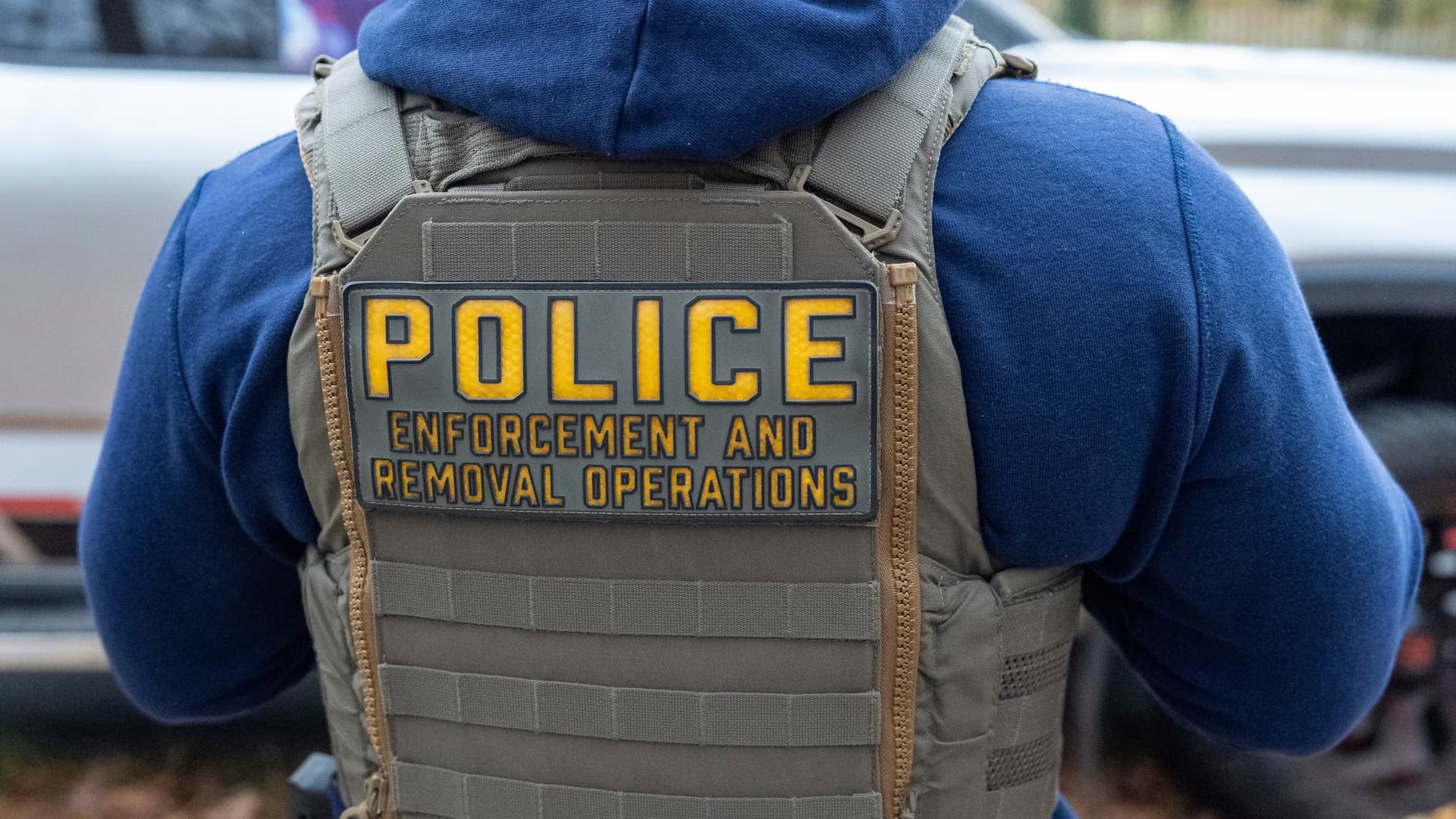
The Loudoun County Sheriff's Office in Northern Virginia will no longer hold inmates up to 48 hours past their release for ICE, ending its 287(g) jail practices after the Fourth Circuit upheld Virginia's limits on such agreements.


The Loudoun County Sheriff's Office in Northern Virginia has stopped holding inmates for federal immigration agents beyond their scheduled release, ending its 287(g) jail enforcement practices days after a federal appeals court upheld Virginia's restrictions on such agreements.
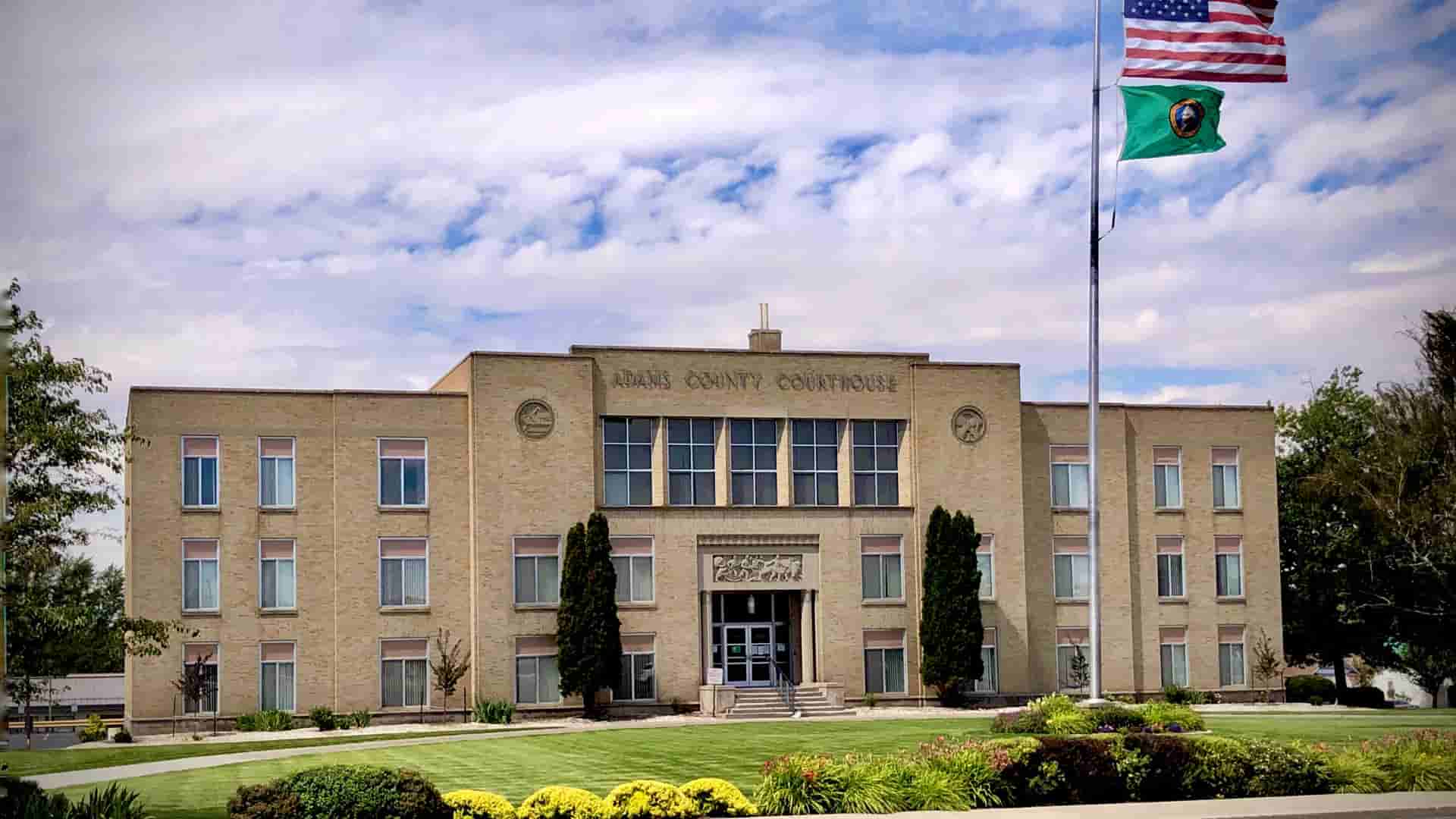
Under the agreement, trained deputies at the Loudoun County Adult Detention Center in Leesburg could keep inmates locked up for up to 48 extra hours after their local criminal cases ended, giving U.S. Immigration and Customs Enforcement time to pick them up. Going forward, deputies will hand someone over only if ICE agents are at the jail at the exact moment that person is scheduled to walk out, a spokesperson confirmed on Wednesday.
"Will abide by this decision"
The sheriff's office said it is aware of the Fourth U.S. Circuit Court of Appeals ruling and "will abide by this decision." "The LCSO will continue to work closely with all of its federal, state and local law enforcement partners to ensure public safety and keep Loudoun the safest locality in Northern Virginia," the spokesperson said. "This includes honoring criminal warrants and immigration detainers concurrent with a person's release from the ADC."
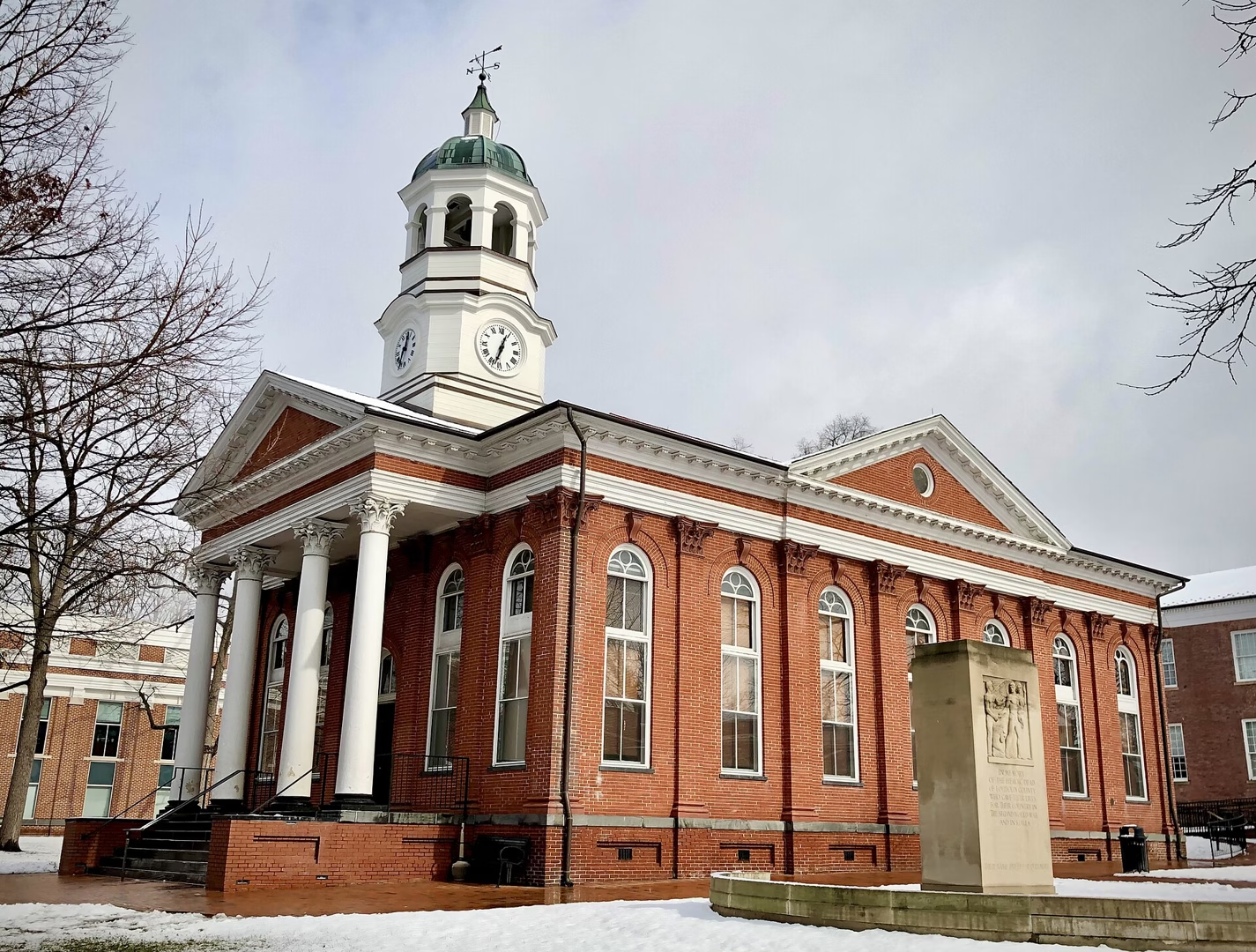
The office stressed that its agreement only ever applied to people already booked into the county jail on criminal charges unrelated to their immigration status. Still, the partnership had been a flashpoint in Loudoun for more than a year. County leaders and immigrant advocates repeatedly urged Sheriff Mike Chapman to drop it, especially after high-profile ICE arrests at the Sterling Immigration Court in June 2025, but his office had stood by the program until now.
Court lifted block on state law
On Monday, a unanimous three-judge Fourth Circuit panel lifted a lower court's block on a law signed by Gov. Abigail Spanberger in April that bans local law enforcement agencies from keeping or signing 287(g) agreements unless they meet strict state conditions. Judge Toby Heytens wrote that the federal government cannot force local officers to carry out federal immigration enforcement and that Virginia may set the rules for its own agencies across the roughly 30 agreements in place statewide.
Stay Updated with Ally Daily
Subscribe to be informed about special news, developments and announcements. We will keep you informed.
By signing up, you agree to our Privacy Policy