- BIST10010,977+2.18%
- USD50.70+0.04%
- EUR55.61+0.02%
- GOLD3,668.50+2.91%
- INTEREST36.00%-1.00
- BITCOIN59,689-0.30%
- November 28, 20265°
- BIST10010,977+2.18%
- USD50.70+0.04%
- EUR55.61+0.02%
- GOLD3,668.50+2.91%
- INTEREST36.00%-1.00
- BITCOIN59,689-0.30%
- November 28, 20265°
Appeals court: Virginia can limit ICE cooperation but can't ban masks for federal agents
The Fourth U.S. Circuit Court of Appeals blocked Virginia's ban on masked federal officers, ruling a state cannot regulate federal agents, but upheld a state law restricting local 287(g) agreements with ICE.

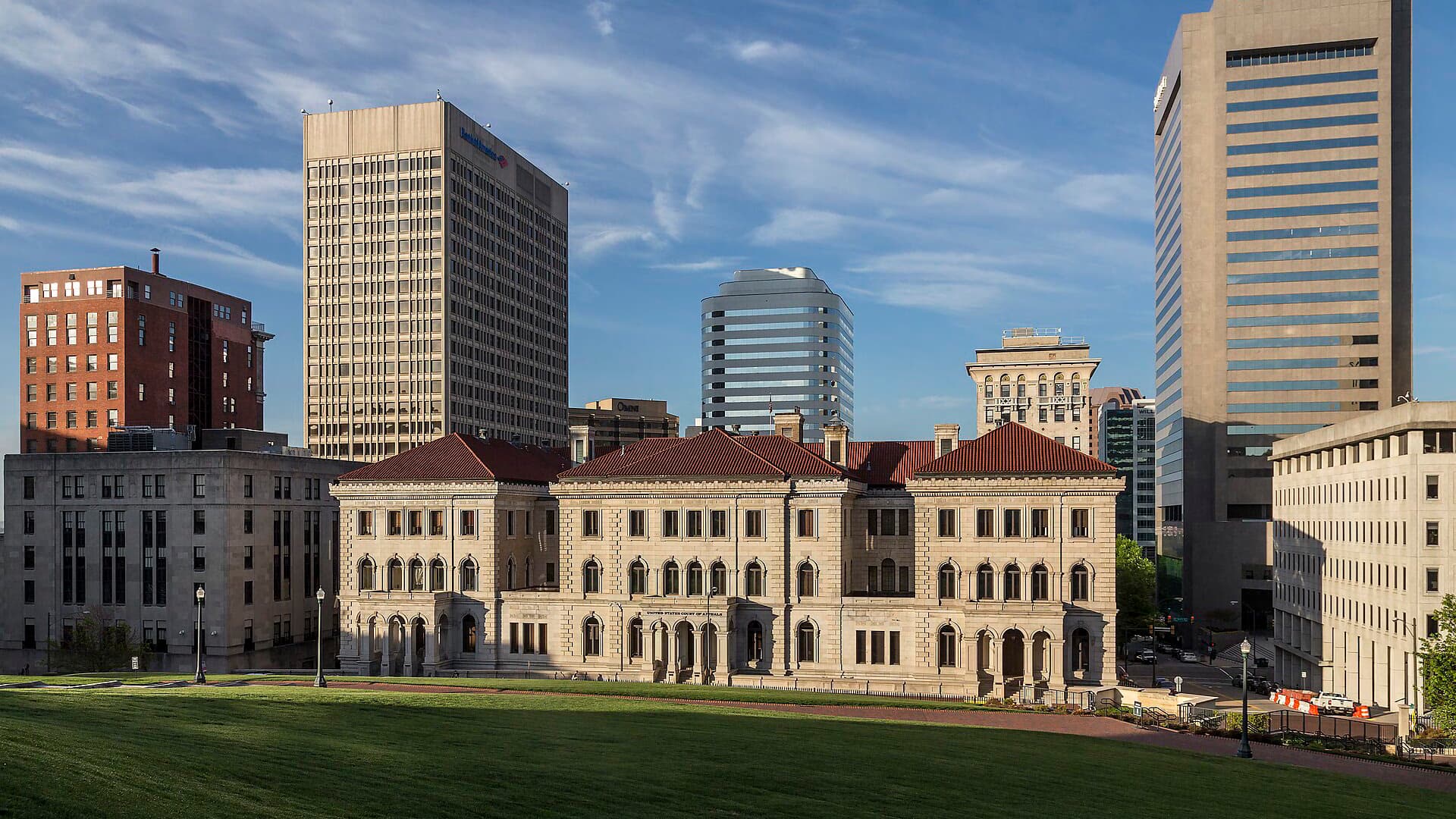
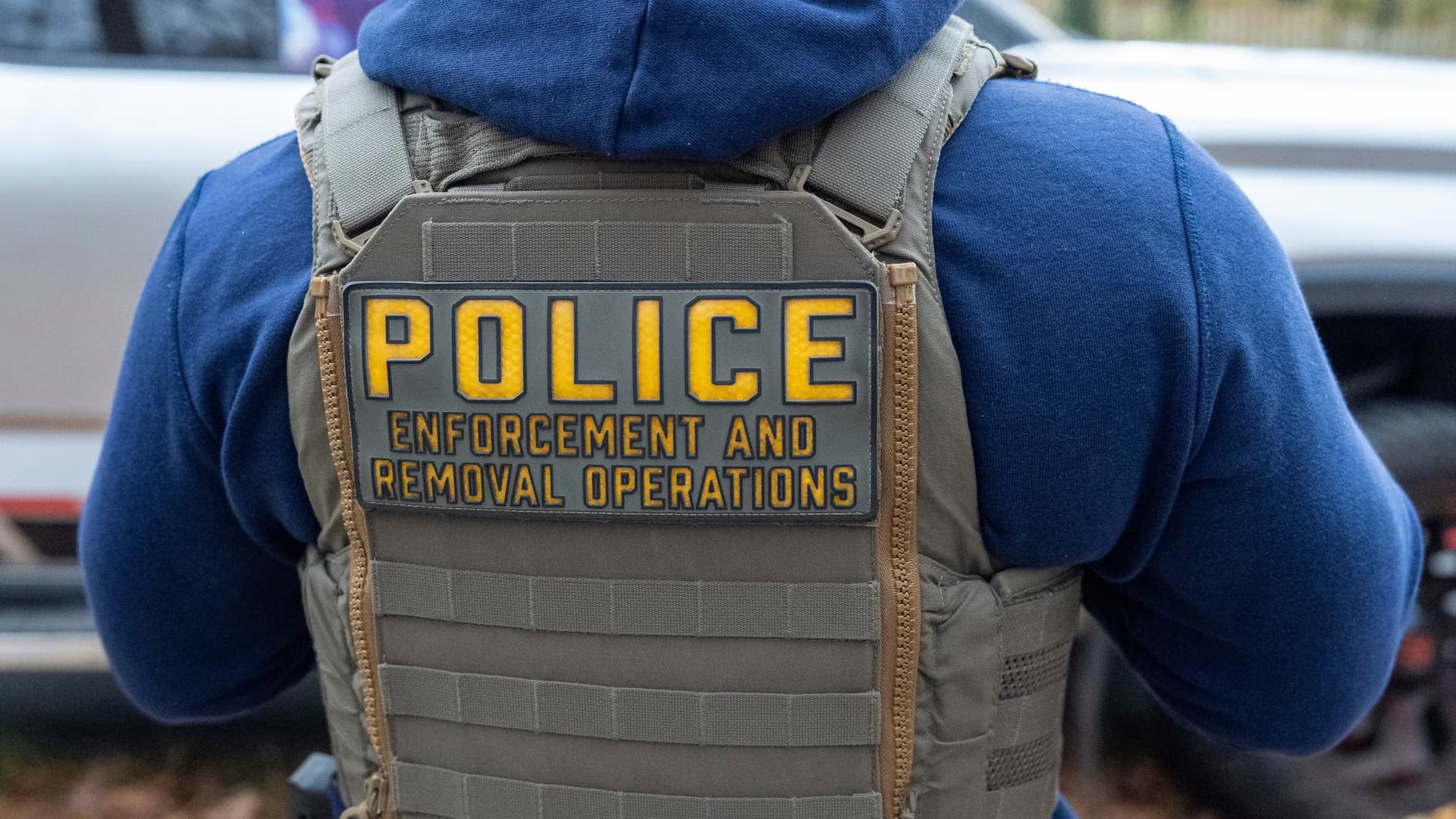
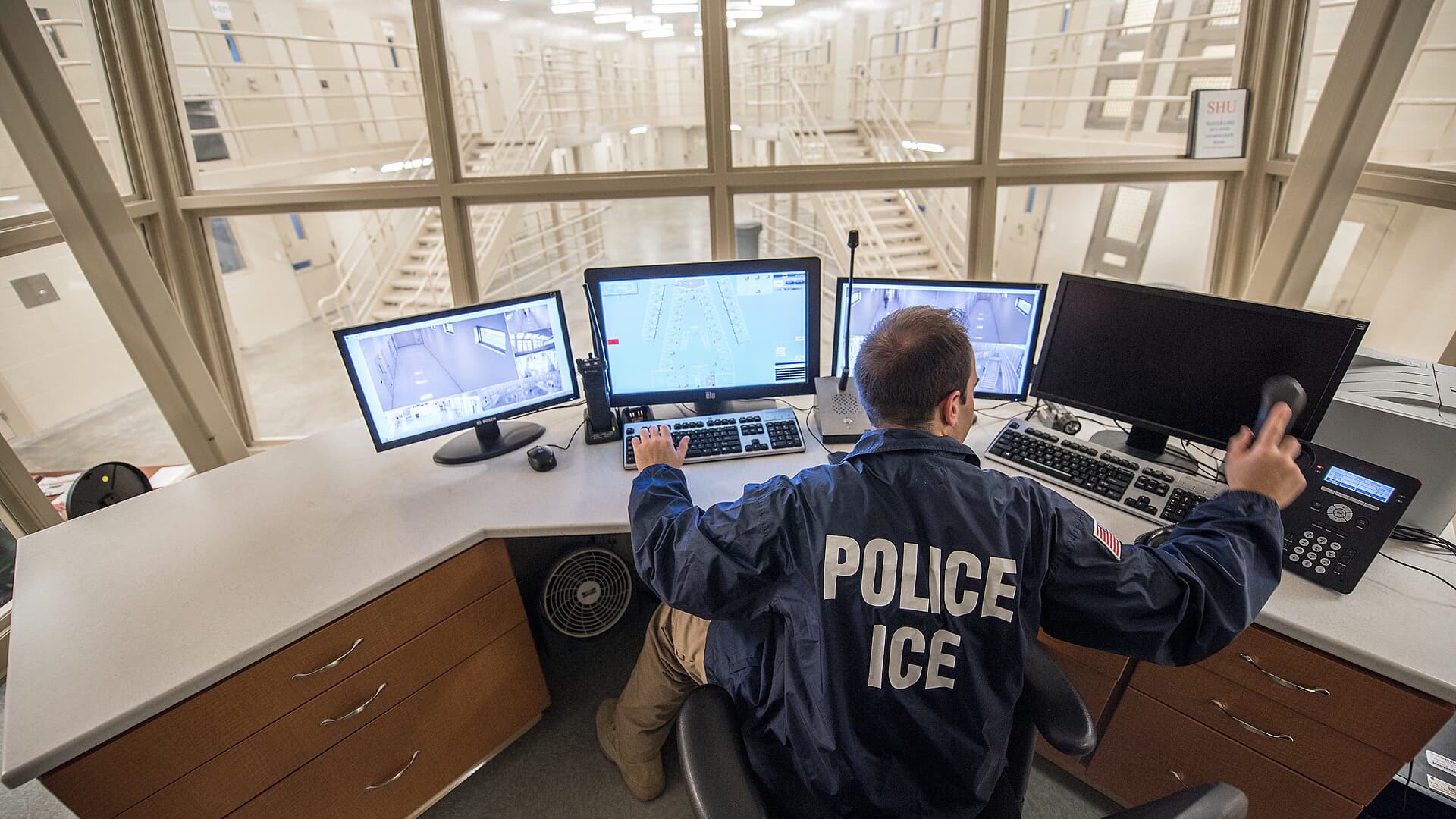
A federal appeals court has handed Virginia a split decision in its fight with the Trump administration over immigration enforcement, ruling that the state cannot ban federal agents from wearing masks but can restrict how much its own police help Immigration and Customs Enforcement.
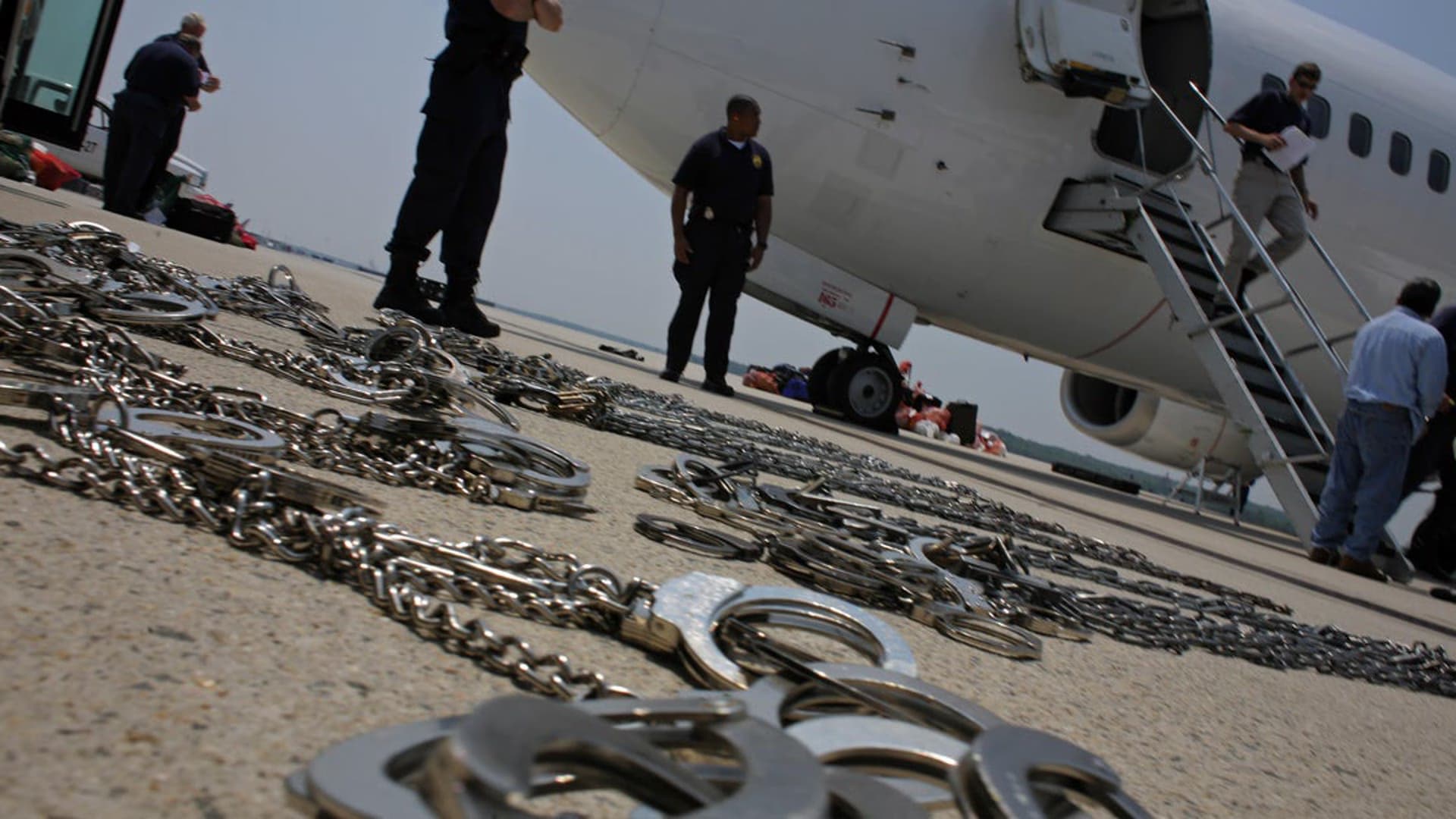
In a split decision, the Fourth U.S. Circuit Court of Appeals in Richmond upheld an injunction blocking Virginia's law prohibiting federal law enforcement officers from covering their faces, finding that the commonwealth cannot directly regulate federal officers. In a separate unanimous ruling, a three-judge panel lifted a lower court's block on a state law that bars local agencies from keeping or signing 287(g) agreements with ICE unless they meet strict state conditions.
"States may not issue orders directly to the Federal Government"
"We question neither the sincerity nor the reasonableness of the Commonwealth's objections to masked and otherwise-unidentified law enforcement activities, and we emphasize that States may limit or forbid such conduct by their own state and local officers," Judge Toby J. Heytens wrote for the majority. "But just as Congress may not issue orders directly to the States, States may not issue orders directly to the Federal Government."
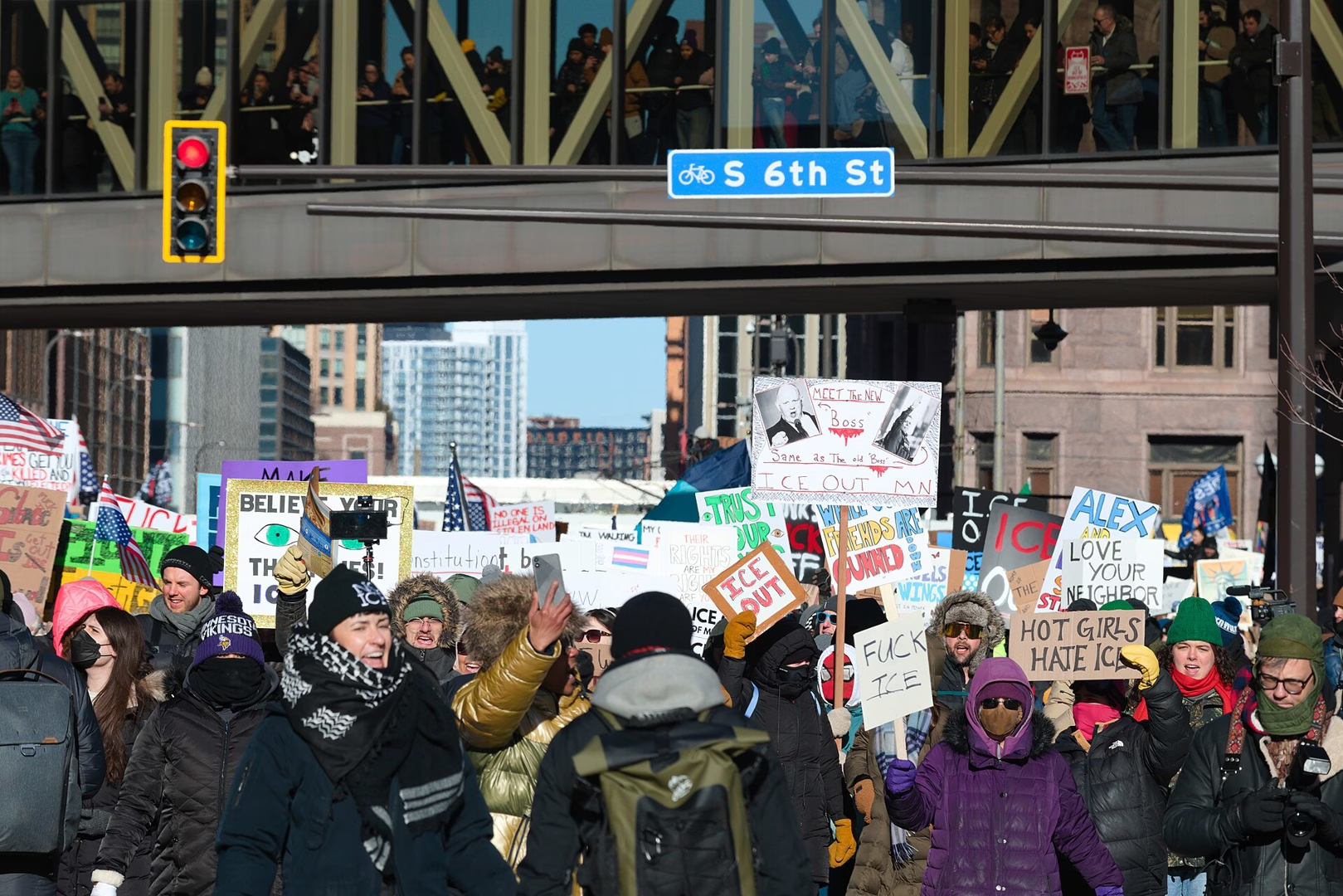
Masks have become a symbol of the administration's immigration crackdown and a flashpoint in Congress. Gov. Abigail Spanberger signed the mask ban into law, and it took effect May 20, backed by executive orders barring ICE arrests on state property and removing requirements for local cooperation. "Law enforcement officers wearing masks on American streets undercut basic expectations of accountability, sow fear and confusion, and erode the public trust," Spanberger said at the signing.
Both sides claim a win
U.S. Attorney General Todd Blanche called the mask ruling a "huge win for federal law enforcement in Virginia." Virginia Attorney General Jay Jones, meanwhile, hailed the 287(g) decision as a "significant victory" that "reaffirms the Commonwealth's authority to determine whether and under what conditions state and local resources may be used to assist federal immigration enforcement efforts."
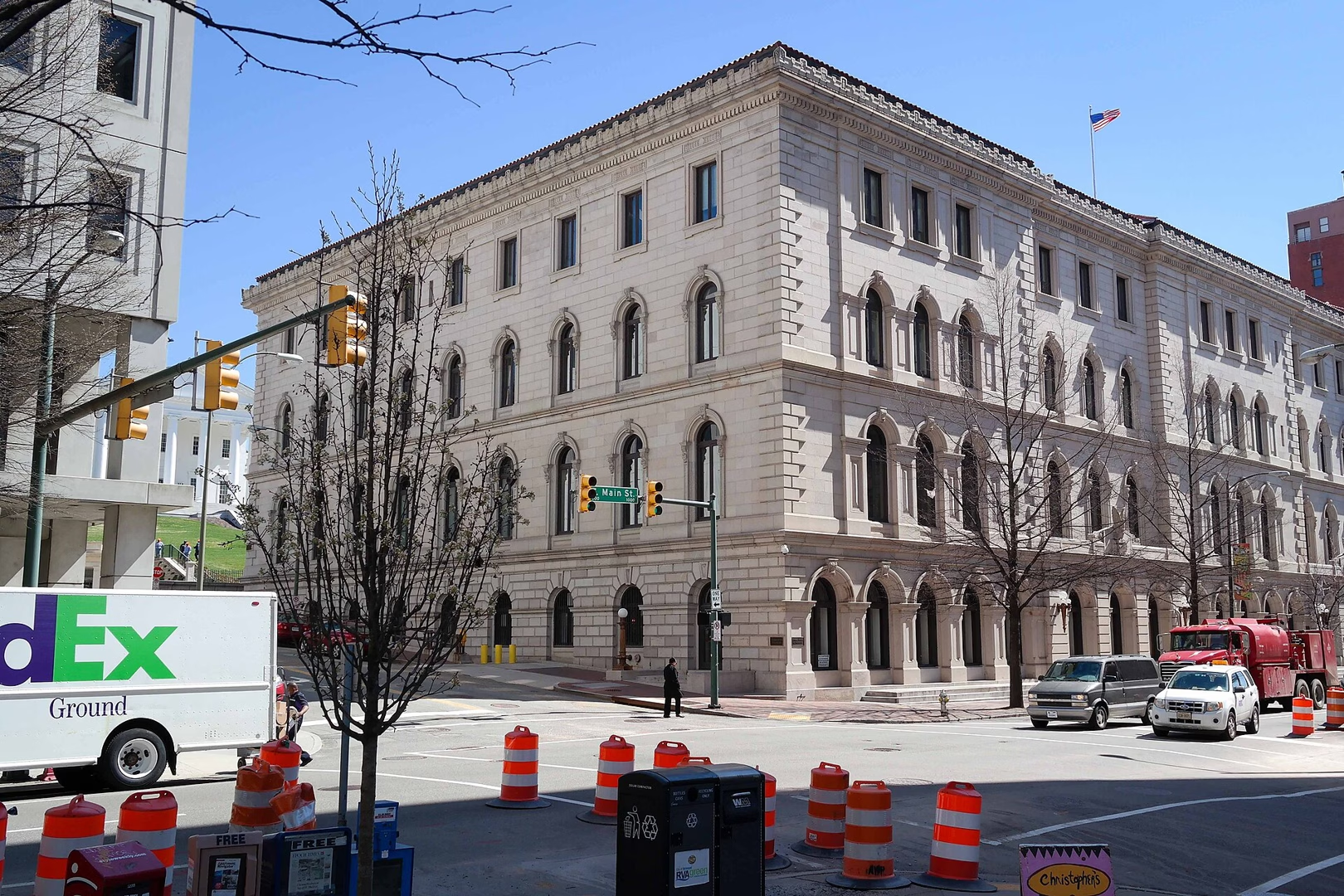
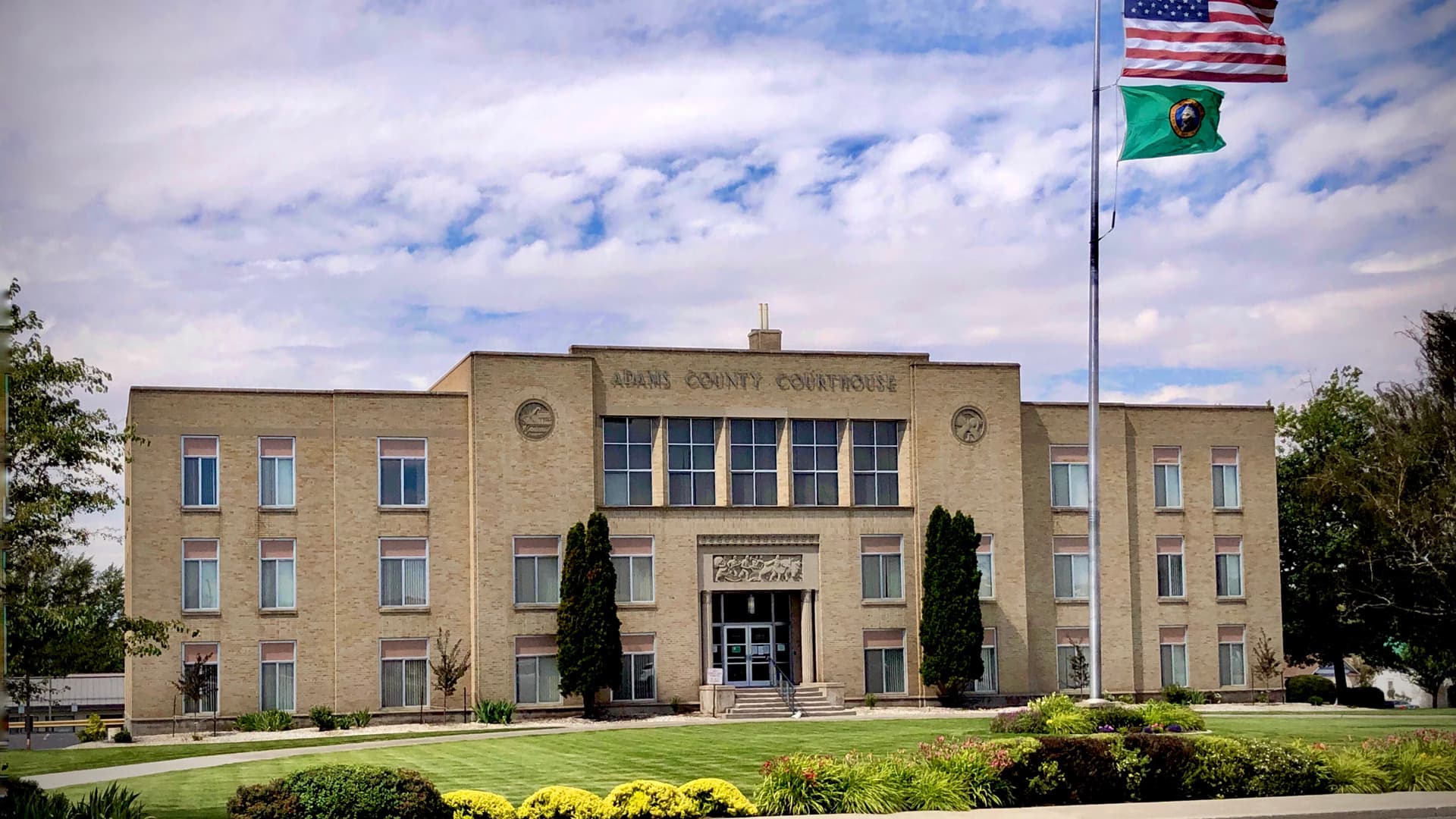
Heytens wrote that the Constitution's dual-sovereignty framework lets Virginia set rules for its own agencies, which cover about 30 existing 287(g) agreements statewide, but not for federal officers. The ruling is already having an effect: within days, the Loudoun County Sheriff's Office said it would end its jail-based cooperation with ICE to comply with the decision.
Stay Updated with Ally Daily
Subscribe to be informed about special news, developments and announcements. We will keep you informed.
By signing up, you agree to our Privacy Policy