- BIST10010,977+2.18%
- USD50.70+0.04%
- EUR55.61+0.02%
- GOLD3,668.50+2.91%
- INTEREST36.00%-1.00
- BITCOIN59,689-0.30%
- November 28, 20265°
- BIST10010,977+2.18%
- USD50.70+0.04%
- EUR55.61+0.02%
- GOLD3,668.50+2.91%
- INTEREST36.00%-1.00
- BITCOIN59,689-0.30%
- November 28, 20265°
San Diego judge blocks ICE from re-arresting immigrants at routine check-ins
U.S. District Judge Dana Sabraw temporarily barred ICE from redetaining previously released immigrants in San Diego and Imperial counties unless it shows, case by case, that their circumstances have changed enough to make them a flight risk or a danger.

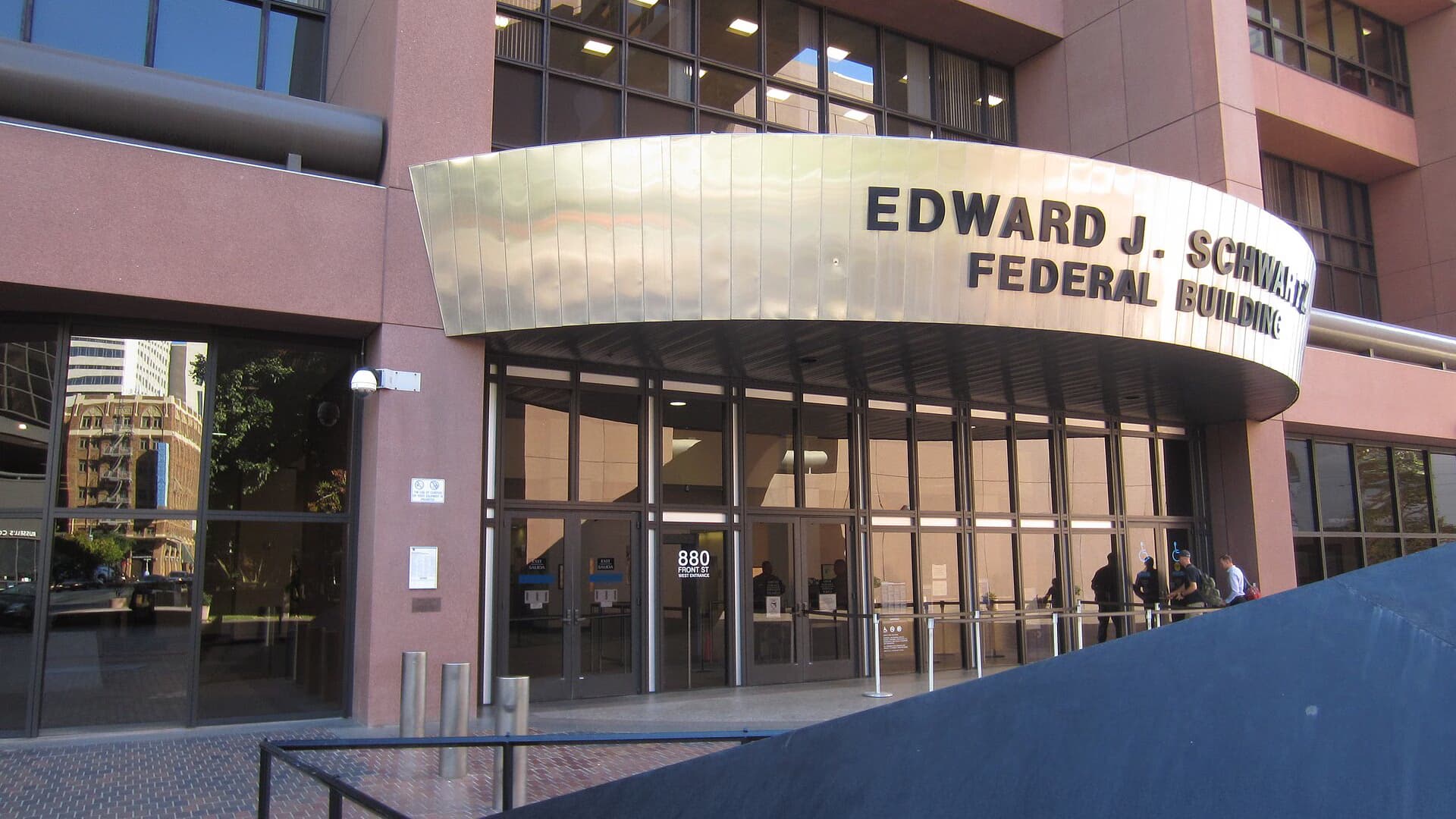
A federal judge in San Diego has temporarily blocked U.S. Immigration and Customs Enforcement from re-arresting immigrants who were previously released and are not considered a flight risk, a tactic critics say has turned routine immigration check-ins into traps.
In a ruling issued Tuesday, U.S. District Judge Dana Sabraw ordered that ICE must decide on an individual basis whether a significant change in a person's circumstances has made them a flight risk or a danger to the community before it can take them back into custody. Sabraw also certified the case as a class action, extending the protection to everyone in a similar situation in San Diego and Imperial counties.
Haitian pastor detained at a routine check-in
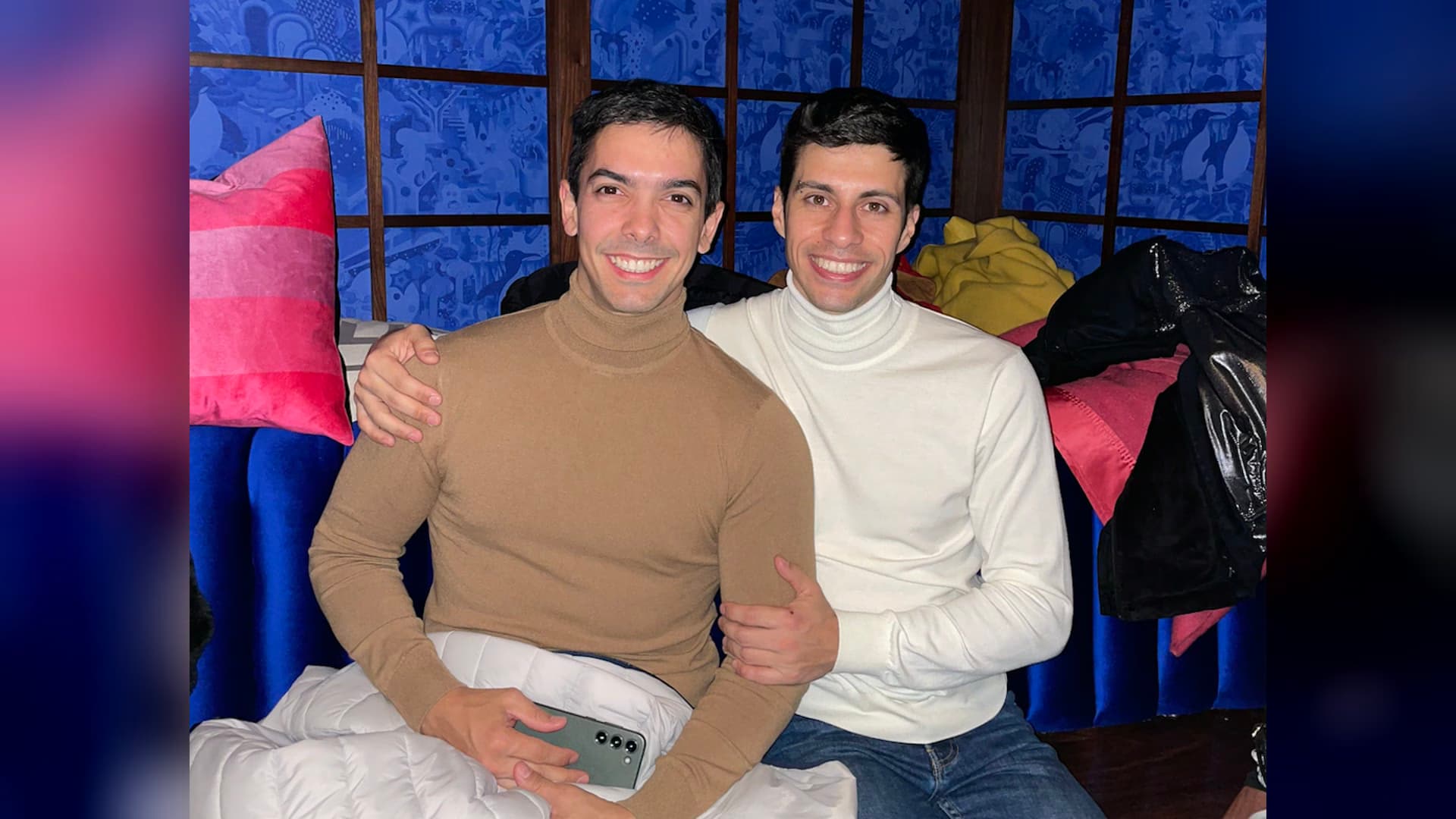
One of the plaintiffs is Chancely Fanfan, a Haitian minister who entered the United States legally with his wife to seek asylum. According to his lawyers at the Center for Human Rights and Constitutional Law, the family attended every court hearing and immigration appointment, and had a U.S.-citizen baby while relying on the government's promise that they would not be detained unless they broke the terms of their release. Fanfan was nonetheless arrested at a routine check-in last year and was not freed until December 2025, missing his child's first birthday.
"ICE was luring those people into check-ins or ICE appointments or other appointments and redetaining them for no reason," said Monika Langarica, the group's legal director. She said the practice had reached "even third graders," referring to a recent case of a young boy taken into custody at a San Diego check-in that sparked national outrage.
Flood of habeas petitions
Immigration attorney Andrews Moreno II said the ruling responds to ICE ignoring the requirement to hold a hearing before taking away someone's liberty. "They have to do a pre-deprivation hearing before they can re-detain you. ICE has been ignoring that completely," he said. The practice has triggered a wave of habeas corpus petitions in federal court; Moreno said he had never had to file one in 26 years of practice before the current administration.
The order applies only to San Diego and Imperial counties and does not end all redetentions, but advocates say it will protect a significant number of people. A similar ruling has been issued in a parallel case in San Francisco. Arrests at check-ins remain a central enforcement tactic of the Trump administration's deportation campaign.
Stay Updated with Ally Daily
Subscribe to be informed about special news, developments and announcements. We will keep you informed.
By signing up, you agree to our Privacy Policy