- BIST10010,977+2.18%
- USD50.70+0.04%
- EUR55.61+0.02%
- GOLD3,668.50+2.91%
- INTEREST36.00%-1.00
- BITCOIN59,658-0.35%
- November 28, 20265°
- BIST10010,977+2.18%
- USD50.70+0.04%
- EUR55.61+0.02%
- GOLD3,668.50+2.91%
- INTEREST36.00%-1.00
- BITCOIN59,658-0.35%
- November 28, 20265°
Federal audit: ICE may have overpaid for detention warehouses, pays $13M a month for empty beds
A Government Accountability Office report on how ICE is spending $45 billion in detention money found the agency may have overpaid for 11 warehouses and is paying about $13 million a month for empty beds at five facilities. Arizona lawmakers called for an investigation.

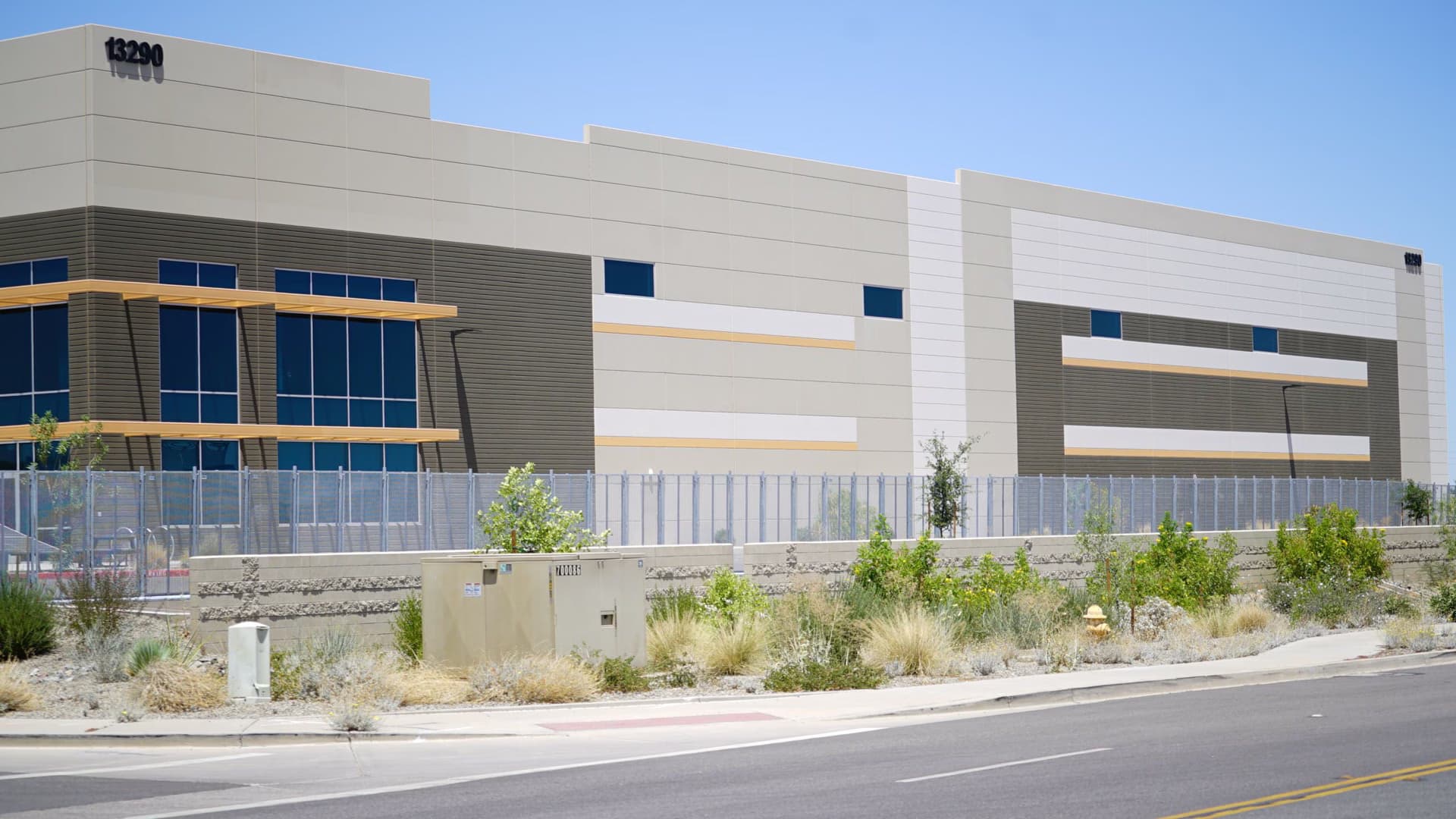
U.S. Immigration and Customs Enforcement may have overpaid for warehouses it bought to hold immigrants and is spending millions of dollars every month on detention beds that sit empty, according to a new report from the Government Accountability Office, Congress's nonpartisan watchdog.
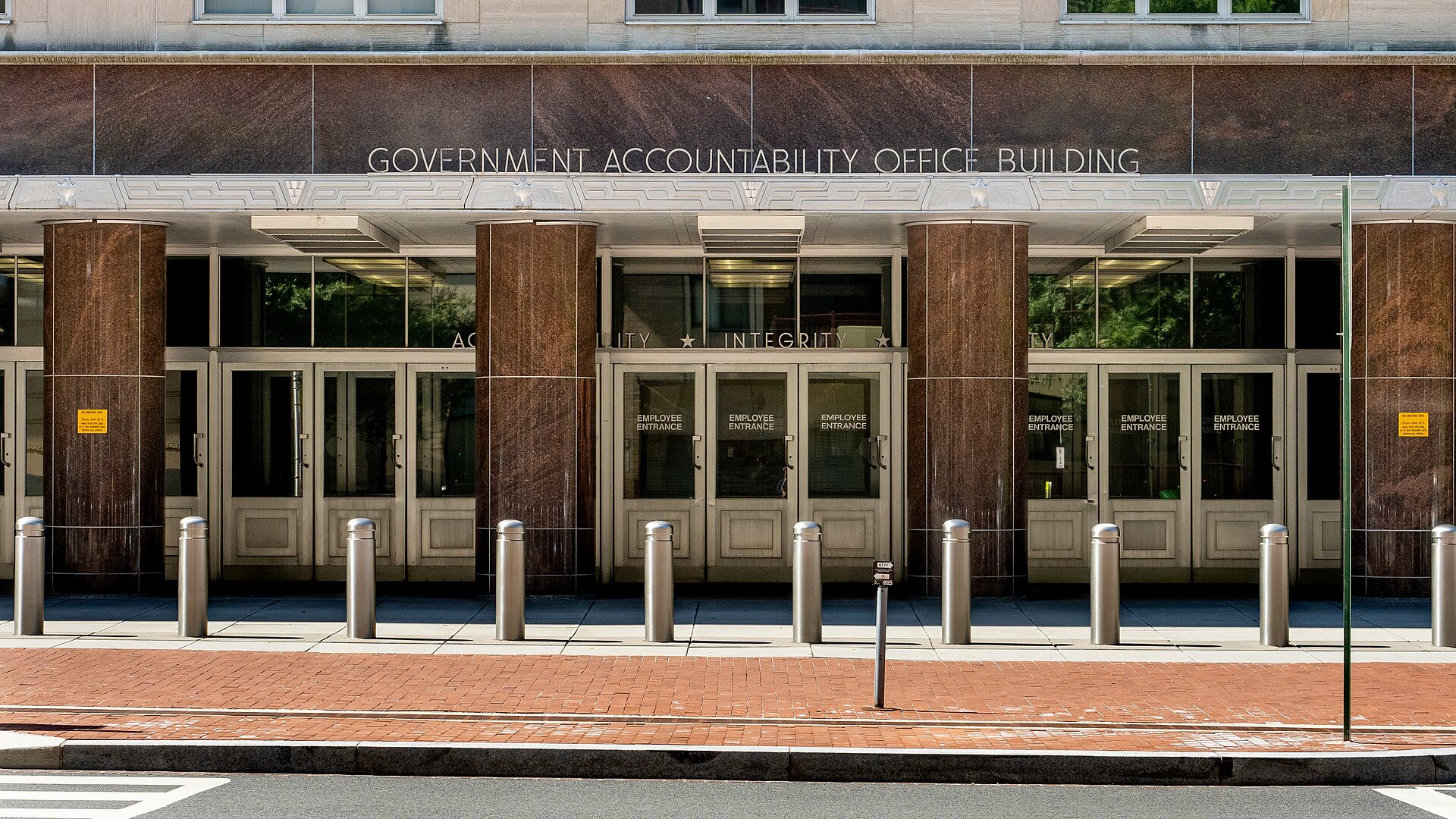
The GAO examined, at the request of Congress, how ICE is using $45 billion in detention funding provided under the One Big Beautiful Bill, which President Donald Trump signed in July 2025. The money is available through 2029. So far, ICE has committed about $9 billion of it, the report found.
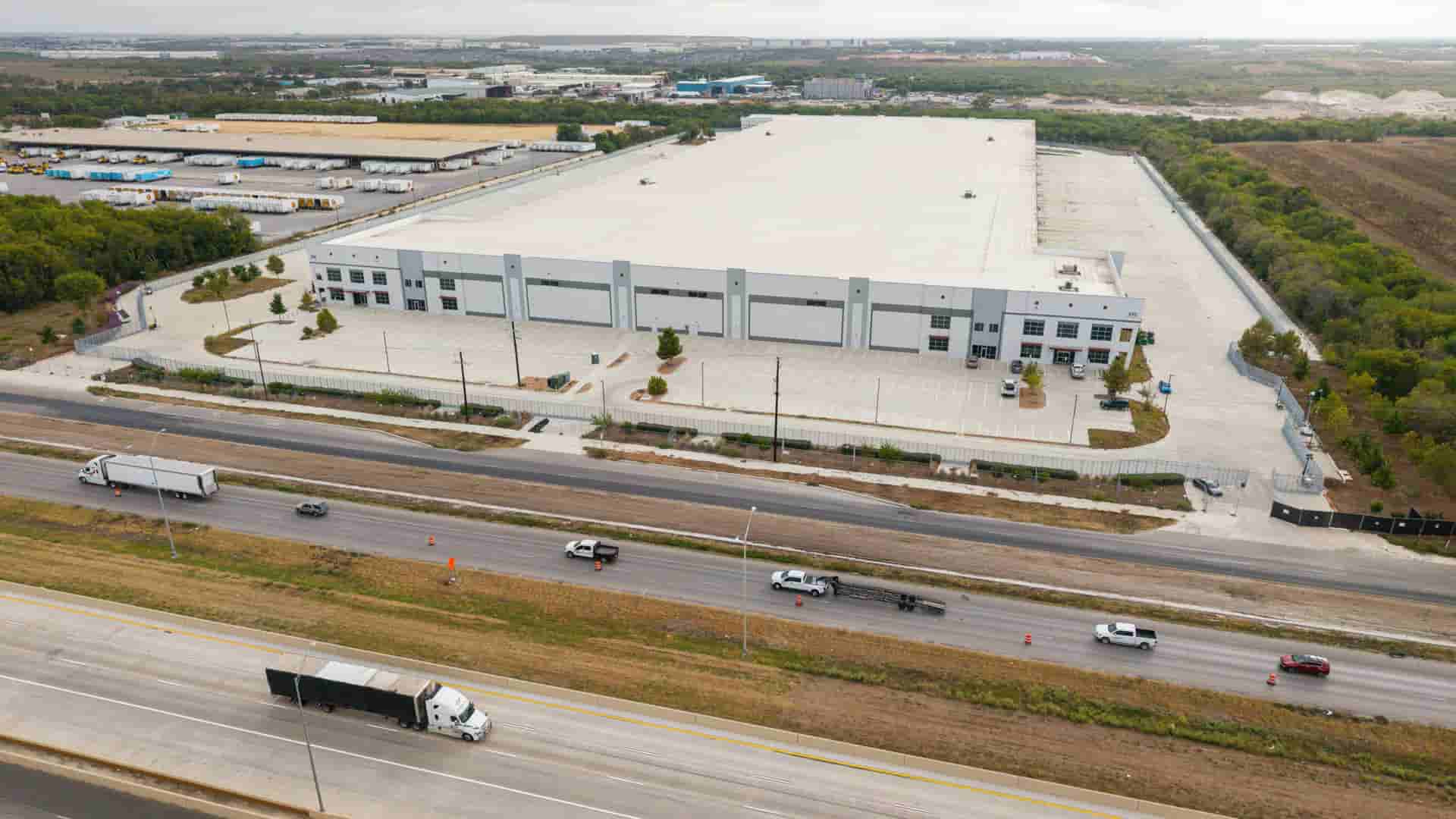
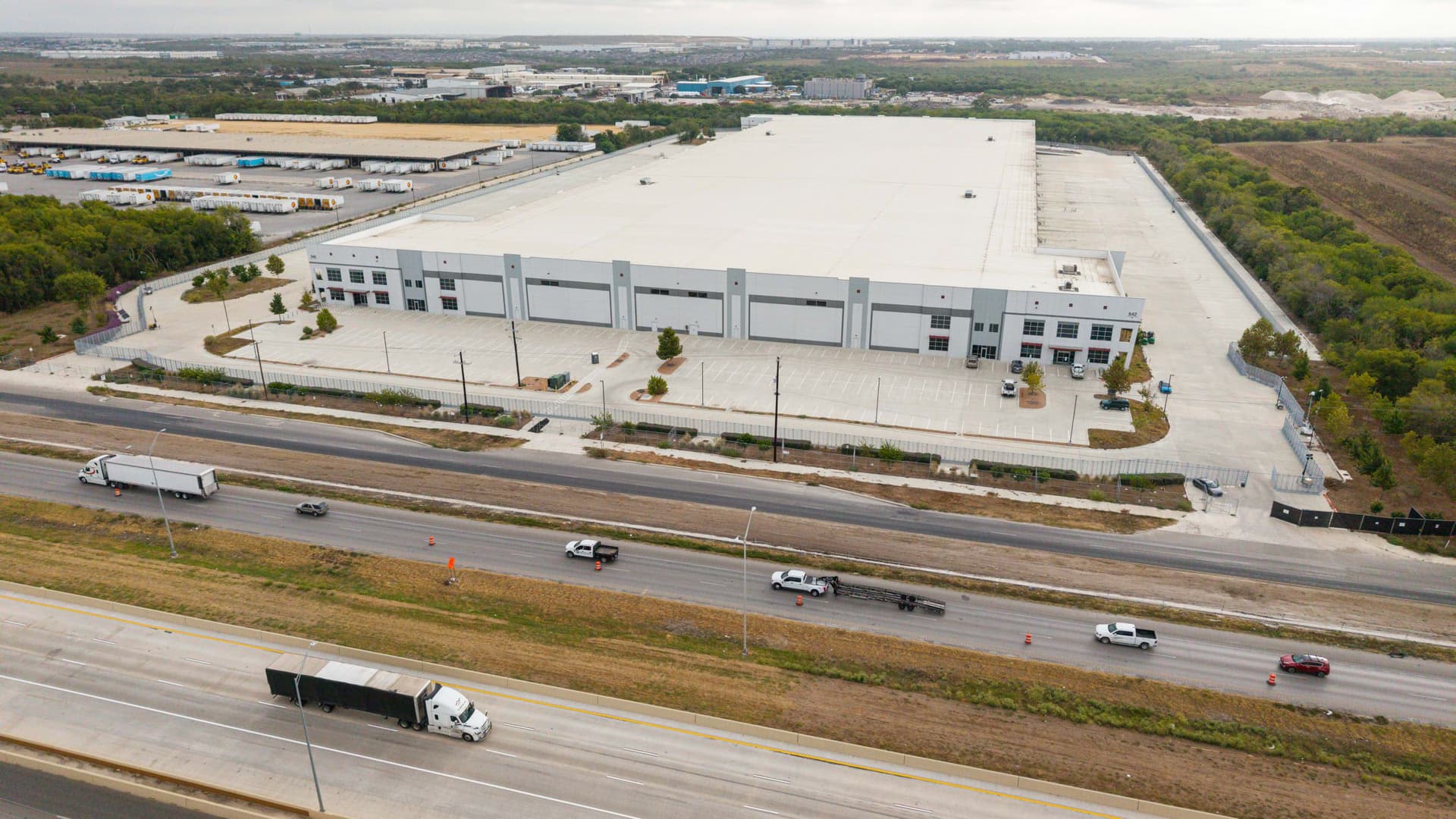
The audit found ICE spent more than $1 billion on 11 warehouses, including one in Surprise, Arizona, with prices ranging from $35 million to $145 million each.
At least 50% above tax assessments
For nine of the 11 warehouses, ICE paid at least 50% more than the local tax assessment. Auditors said that means the agency potentially overpaid, while noting that tax assessments are not always a reliable measure of a property's value.
ICE now plans to sell seven of the warehouses, and auditors warned those sales could result in losses for taxpayers. The agency has nonetheless kept buying: in July and August, it purchased four existing detention facilities for more than $2 billion.
The report also estimates that ICE is paying about $13 million a month for empty beds at five facilities.
'Raises incredible questions'
The findings drew sharp reactions from Arizona Democrats in Congress. "We have to figure out if there's any level of corruption in this. This is American taxpayer dollars," Sen. Ruben Gallego said. "They should stop buying them like now and sell off what they can."
Rep. Greg Stanton said the spending "needs to be fully investigated," adding: "How the hell were we spending so much additional money for excess space for detention facilities when we don't even need those additional beds?"
Auditors made two recommendations: that ICE update its spending plans on time, and that it develop life-cycle cost estimates and evaluate alternatives before making new investments. The Department of Homeland Security, which oversees ICE, agreed with both and said it "remains committed to ICE strengthening the necessary processes."
ICE's plans to turn warehouses into detention centers have faced local opposition in several cities. In Texas, San Antonio sued earlier this month to stop the conversion of a warehouse in the city.
Stay Updated with Ally Daily
Subscribe to be informed about special news, developments and announcements. We will keep you informed.
By signing up, you agree to our Privacy Policy