- BIST10011,909+0.56%
- USD50.28+0.05%
- EUR55.60-0.24%
- GOLD3,866.00-0.52%
- INTEREST36.00%-1.00
- BITCOIN64,461-1.31%
- November 16, 20262°
- BIST10011,909+0.56%
- USD50.28+0.05%
- EUR55.60-0.24%
- GOLD3,866.00-0.52%
- INTEREST36.00%-1.00
- BITCOIN64,461-1.31%
- November 16, 20262°
Lutnick pushed weaker AI chip curbs as his sons’ firm financed Asian data centers
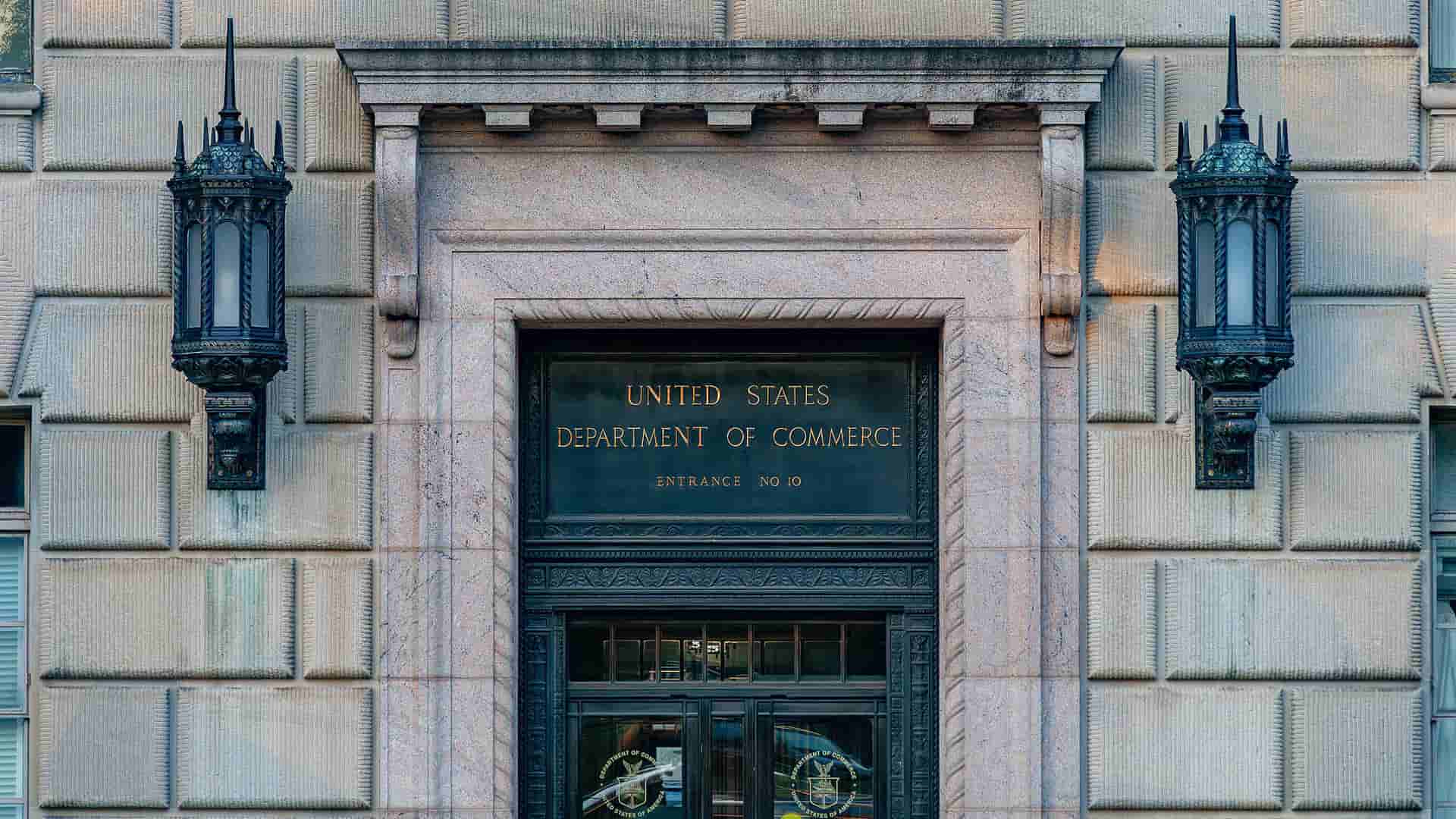
The Commerce secretary has argued for a narrower rule on overseas data centers that rent Nvidia chips to Chinese companies, while Cantor Fitzgerald has deals with several of those operators, The New York Times reported. Commerce says Lutnick acts in the national interest and does not discuss department business with his sons.
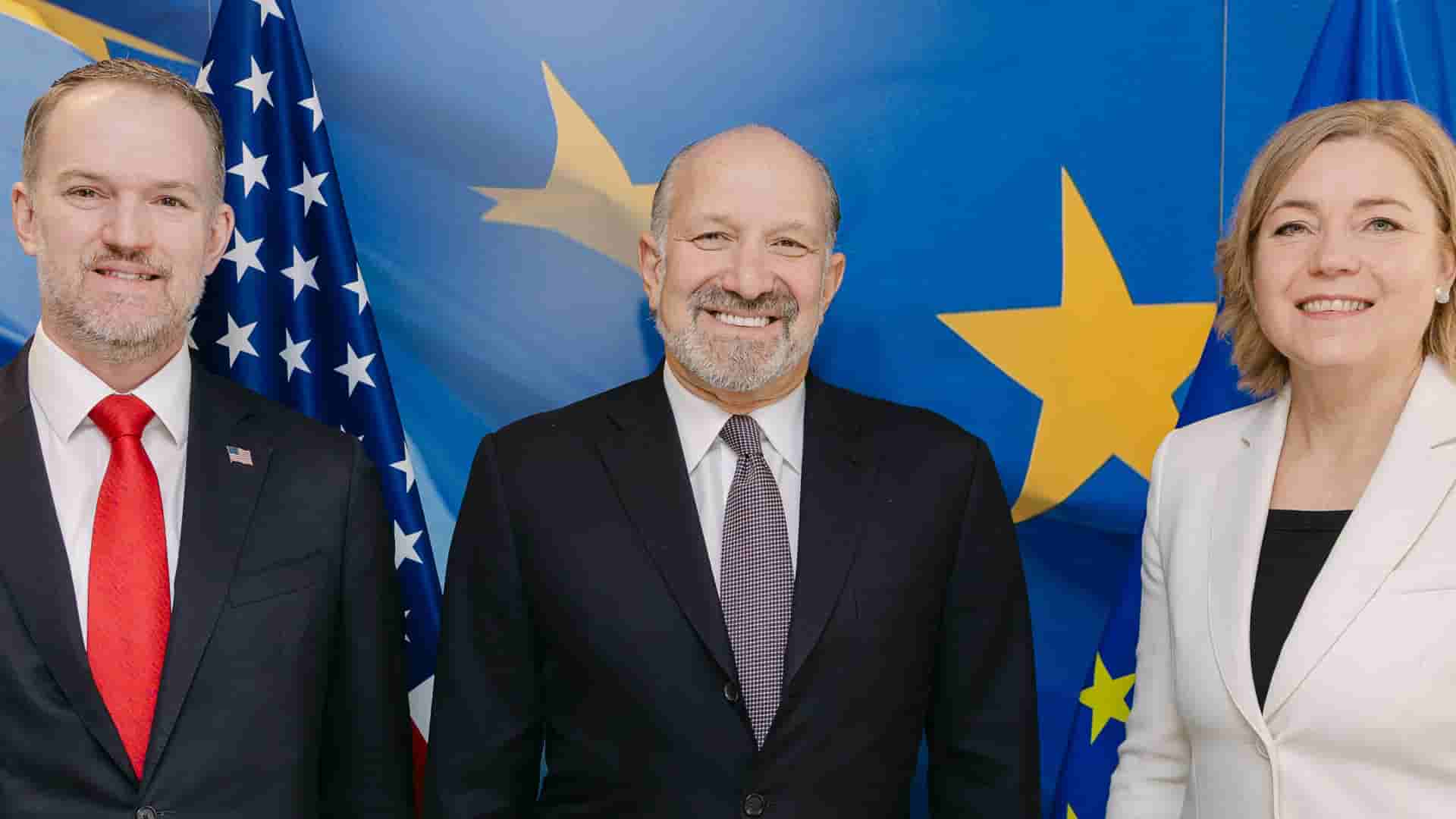
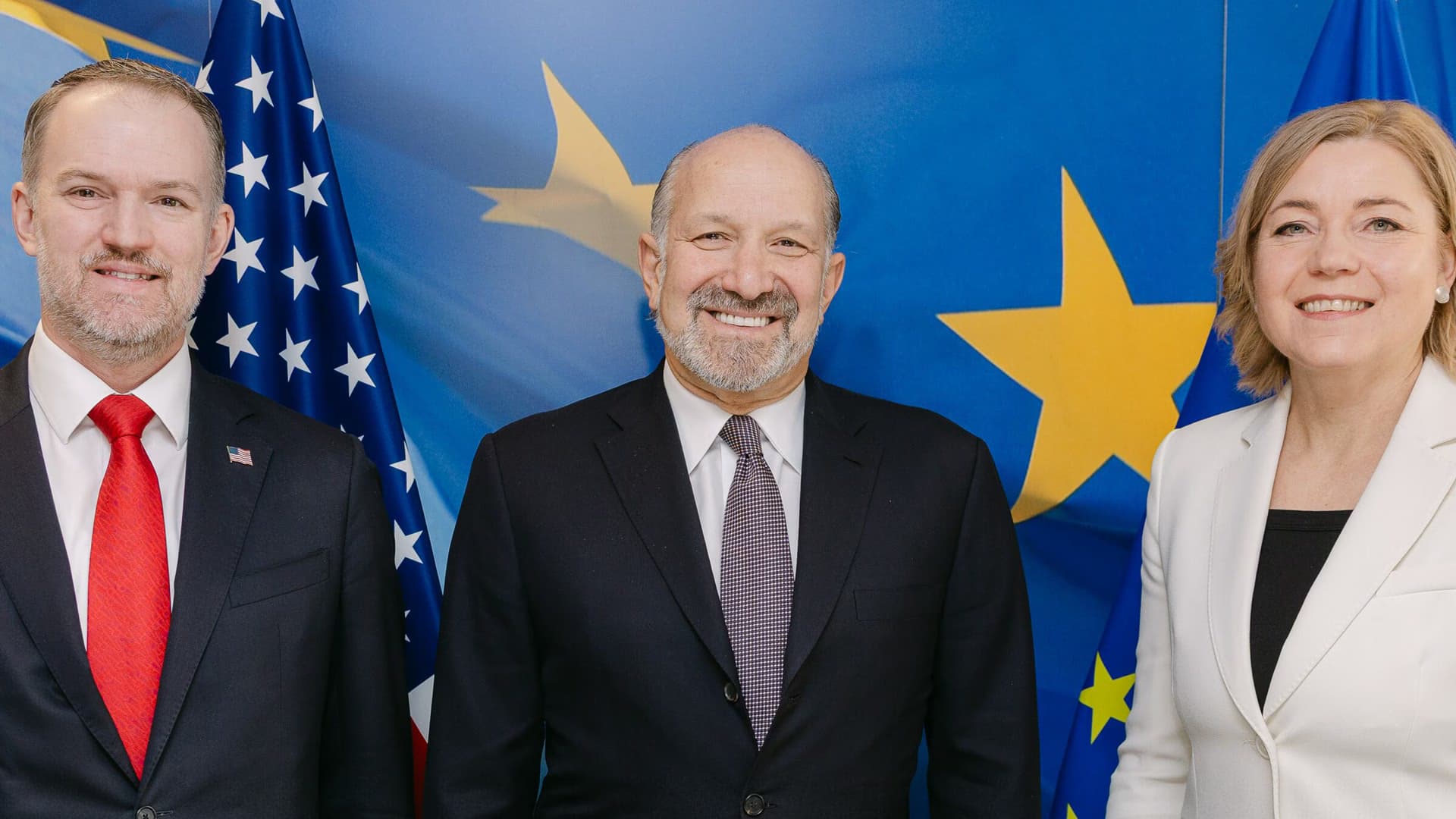
Commerce Secretary Howard Lutnick has been pushing for a narrower version of planned U.S. limits on overseas data centers that rent Nvidia’s most advanced chips to Chinese companies, even as Cantor Fitzgerald, the Wall Street firm now run by his sons, does business with several of those operators, The New York Times reported Sunday.
The Times pointed to a facility known as A201 in Johor, in southern Malaysia, which is due to open next year with hundreds of millions of dollars’ worth of Nvidia AI servers. Its computing power is expected to go to a Chinese tech giant, likely Tencent, according to a person familiar with the arrangement. The setup is legal, and it gets around the U.S. ban on selling top-end chips directly to Chinese firms.
The operator, Singapore-based Bitdeer, is a Cantor client. Cantor acted as a designated sales agent for a Bitdeer stock offering of up to $1 billion this year, after helping arrange one of up to $250 million in 2024. Bitdeer expects the Malaysian site to bring in $1.7 billion over five years.

A narrower rule
The administration has spent much of the past two years arguing over how far to restrict chip sales to data centers in Southeast Asia. China hawks see the facilities as a back door around the export ban, while Lutnick has been the most prominent voice against going too far. President Donald Trump scrapped the Biden administration’s global rules on remote access to U.S. chips, and a replacement has yet to emerge.
According to people familiar with the talks, Commerce has proposed covering only seven countries, namely Singapore, Malaysia, Thailand, Indonesia, Brazil, South Africa and Norway, while others in the administration want the rule to apply worldwide. The department’s version would cover only future shipments, sparing data centers already stocked with U.S. chips, and would require companies to notify Washington when Chinese customers train AI models rather than automatically obtain a license. It would also set a higher computing threshold, leaving fewer Chinese activities regulated.
“If you’re only restricting remote access to data centers in certain countries, then China will just rent from the data centers outside those countries,” said Chris McGuire, a senior fellow at the Council on Foreign Relations and a former Biden administration official.

Cantor’s web of ties
The Times also found that Cantor holds a stake in Bitdeer through its investment in the crypto company Tether, has provided financial services to Gorilla Technology, which is building data centers in Thailand and Indonesia, and has a contract to supply AI computing to Freyr AI, a Singapore data center firm that filings and job ads suggest has links to China. The paper noted that these deals are a tiny part of Cantor’s business, that other banks have similar partnerships, and that there is no evidence they influenced Lutnick’s decisions.
Commerce: decisions made “in the best interests” of the U.S.
A Commerce Department spokesperson said Lutnick makes policy decisions based on the best interests of the United States, does not discuss department matters with his sons, and that they do not discuss Cantor business with him. The department says he has complied with all ethics agreements. Cantor Fitzgerald declined to comment, and Bitdeer did not respond.
Lutnick led Cantor for decades and finished transferring his remaining stake to his family as of October 2025. He remains bound by a federal ethics rule that bars officials from using public office for private gain, including that of relatives. The report adds to pressure on Lutnick over the Nvidia scandal; he has agreed to testify before the Senate Banking Committee on Dec. 10.
Photos: Wikimedia Commons (European Commission; NASA; Cantor Fitzgerald building)
Stay Updated with Ally Daily
Subscribe to be informed about special news, developments and announcements. We will keep you informed.
By signing up, you agree to our Privacy Policy