- BIST10011,483+0.04%
- USD50.05+0.05%
- EUR56.25-0.01%
- GOLD4,062.30-1.24%
- INTEREST36.00%-1.00
- BITCOIN75,651-0.44%
- November 6, 202620°
- BIST10011,483+0.04%
- USD50.05+0.05%
- EUR56.25-0.01%
- GOLD4,062.30-1.24%
- INTEREST36.00%-1.00
- BITCOIN75,651-0.44%
- November 6, 202620°
Feds charge trio with using AI to impersonate CEOs in $129 million fraud scheme
Federal prosecutors in Manhattan say three foreign nationals cloned the voices and faces of corporate executives and big-firm lawyers to trick employees into wiring money, hitting hospital systems in Missouri and California, a Rhode Island bank and a Florida pet food company. All three were arrested in Europe and are awaiting extradition.

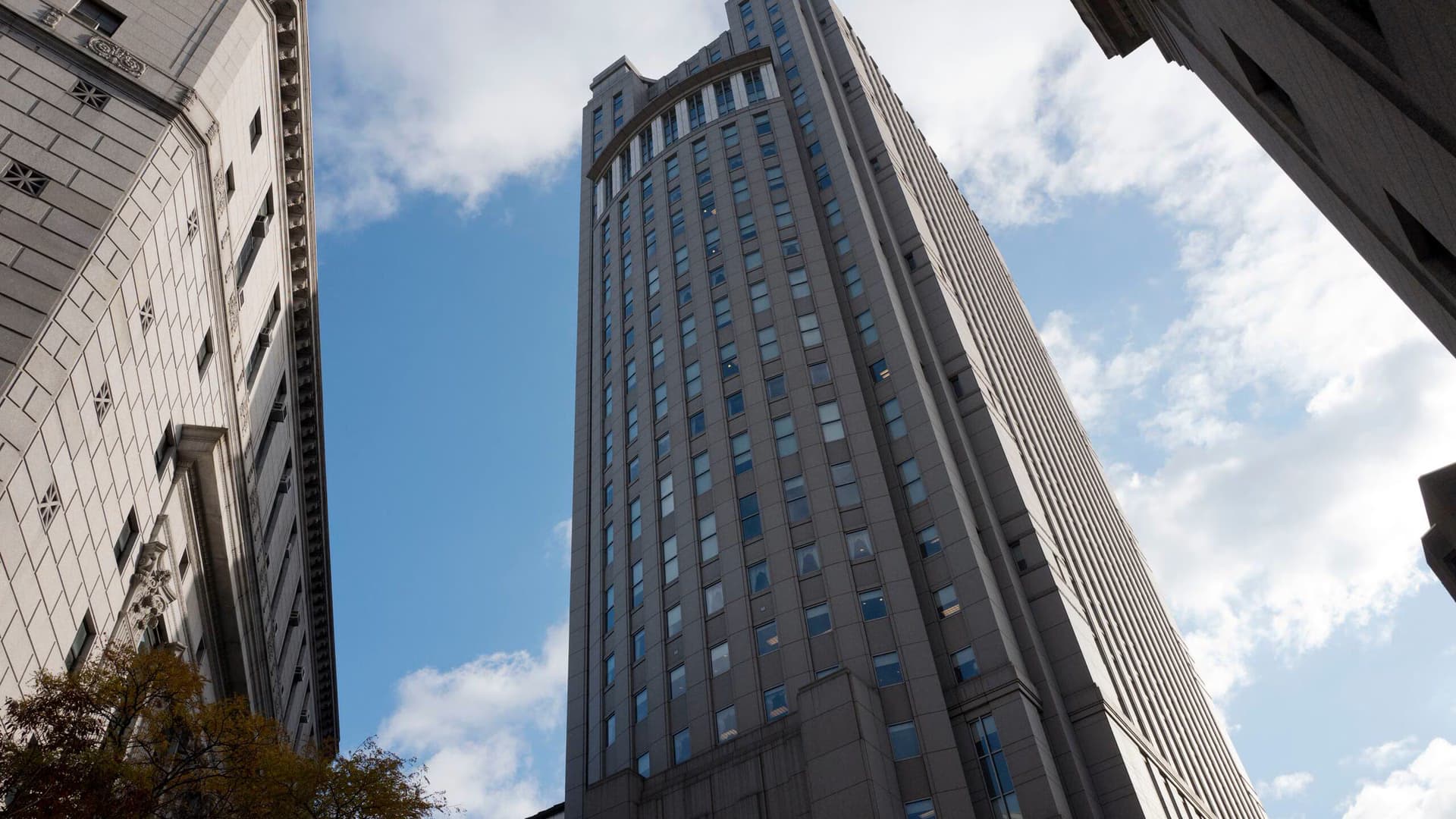
Federal prosecutors in New York have charged three men with running a scheme that allegedly used artificial intelligence to pose as company chief executives and attorneys at major law firms, persuading employees to wire away roughly $129 million. Victims named in the case include hospital systems in Missouri and California, a bank in Rhode Island, a mutual fund company in Massachusetts and a pet food company in Florida.
An indictment unsealed Thursday in the Southern District of New York charges Jacob Soall, 41, of Marbella, Spain, and the United Kingdom; Sharon Hazan, 54, of Israel; and Guy Sheetrit, 42, of Israel and the United Arab Emirates. Each faces seven counts, including conspiracy to commit wire fraud, wire fraud, aggravated identity theft and money laundering. The fraud and money laundering counts each carry a maximum of 20 years in prison.
All three were arrested overseas in recent months. Spanish police detained Soall on June 17 and Hazan on Aug. 5, and Britain's National Crime Agency arrested Sheetrit on Sept. 7, according to the U.S. Attorney's Office. Extradition requests for all three are pending. Court records listing defense attorneys were still sealed as of Thursday evening, The Associated Press reported.
A fake CEO, then a fake lawyer
According to the indictment, the scheme ran from 2024 into 2026 and followed a familiar script. A member of the group would contact an employee, often in a company's accounting department, while posing as the firm's CEO and ask for help with a confidential financial deal. Prosecutors say the defendants used AI tools to mimic the executive's voice, and in some cases his or her image, on phone or video calls.
The fake CEO would then refer the employee to lawyers at large international law firms who were supposedly handling the transaction. Those lawyers were also impersonated by the group, prosecutors say, and one of them would eventually instruct the employee to wire a large payment to an account controlled by the conspirators.
Prosecutors allege Soall mainly posed as British attorneys and kept a handwritten script titled "Lawyer Call," which included language meant to discourage victims from discussing the calls with co-workers. The trio allegedly used nicknames including "Rocky Balboa," "Superman Cash" and "Fat Boy."
Millions lost by U.S. hospitals and a bank
The indictment lists losses of about $4.8 million for the Missouri hospital system, nearly $3 million for the California hospital system, about $2.7 million for the Rhode Island bank, $4.6 million for the Massachusetts mutual fund company and $5.2 million for the Florida pet food company. A financial technology company based in the U.K. lost nearly $11.6 million. The companies were not identified by name.
The money was sent to accounts in the United States, Spain, Portugal, Greece, the UAE, Singapore, Austria, Slovakia and China, then converted into cryptocurrency to hide its origin before being split among the conspirators, prosecutors said. They allege that Hazan, who was convicted of conspiracy to commit bank fraud in the same Manhattan federal court in 2008, boasted that he had been laundering money since 1994 and had moved more than $400 million in the past three years alone.
"Emerging threat," prosecutors warn
"The public should recognize that there are some who seek to use this emerging technology to pursue criminal goals," U.S. Attorney Jamie McDonald said, urging businesses to think about how to protect themselves. FBI Assistant Director in Charge James C. Barnacle Jr. said the case shows how advanced technology "can be exploited to commit large scale fraud." The office's press release referred to the technology throughout as "super intelligence," or SI.
The case adds to a string of warnings about deepfake fraud aimed at businesses. In 2024, British engineering firm Arup confirmed that an employee in Hong Kong had transferred about $25 million after a video call with digitally faked colleagues. The FBI has urged anyone who believes they were targeted in this scheme to submit information through tips.fbi.gov. The charges are allegations, and the defendants are presumed innocent unless proven guilty.
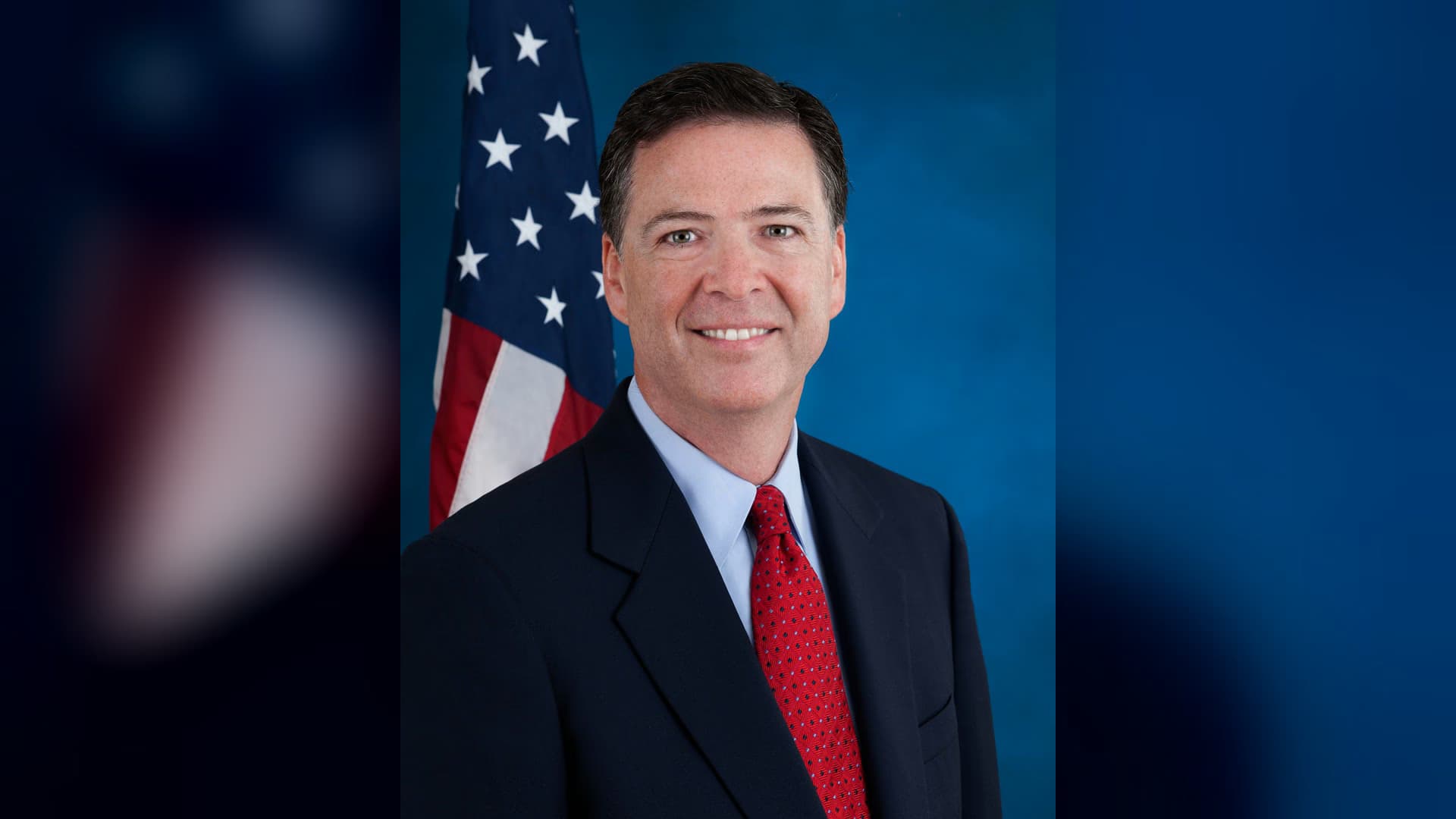
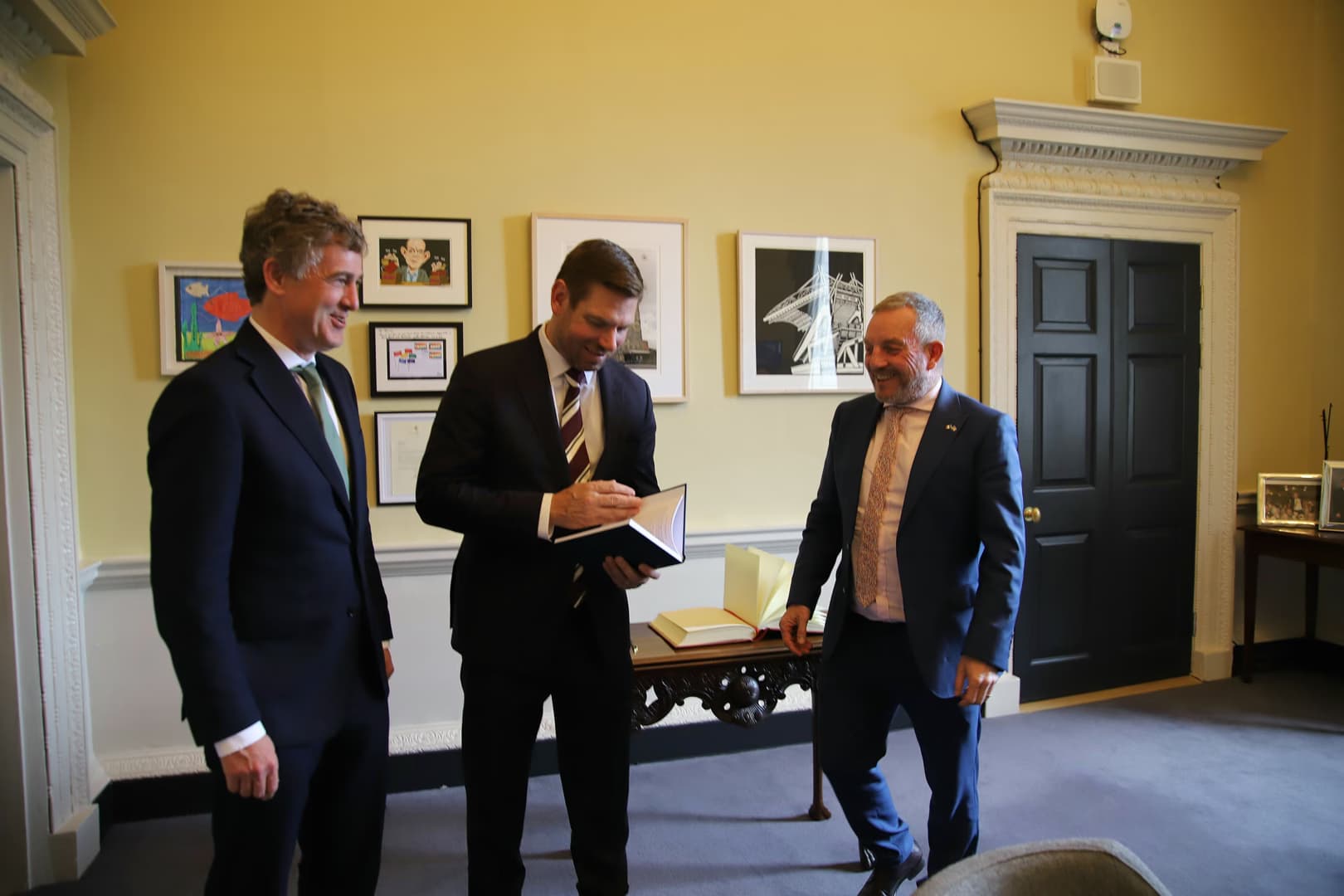
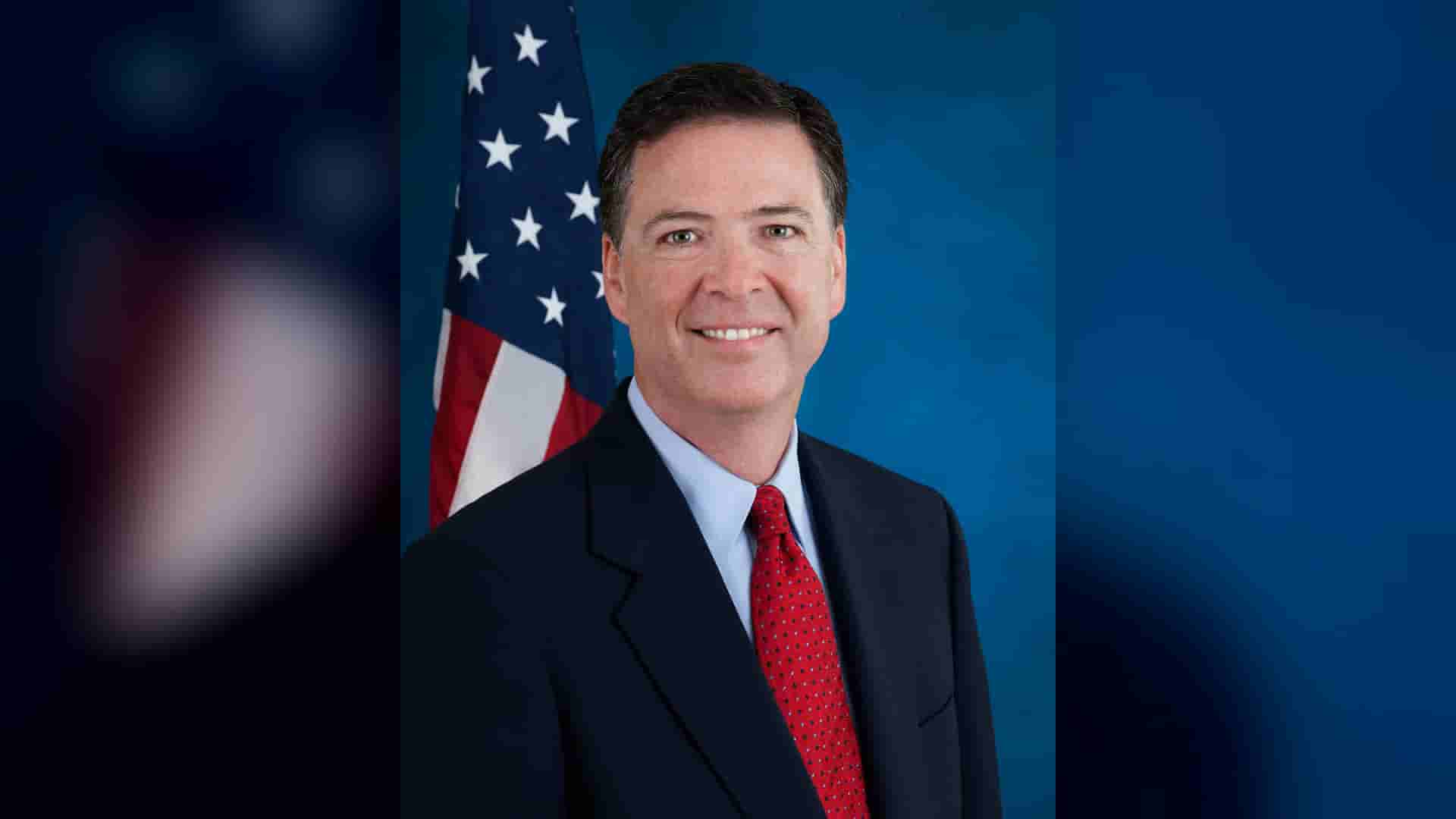
Photos: AP (cover), ABC News
Have a story, event or announcement of your own?Send us your news on WhatsApp
Spotted an error in this story?Report it on WhatsApp
Share on all social platforms
Sponsored Ads
Featured Listings
Loading featured properties...
Stay Updated with Ally Daily
Subscribe to be informed about special news, developments and announcements. We will keep you informed.
By signing up, you agree to our Privacy Policy