- BIST10011,483+0.04%
- USD50.05+0.05%
- EUR56.25-0.01%
- GOLD4,062.30-1.24%
- INTEREST36.00%-1.00
- BITCOIN75,651-0.44%
- November 6, 202620°
- BIST10011,483+0.04%
- USD50.05+0.05%
- EUR56.25-0.01%
- GOLD4,062.30-1.24%
- INTEREST36.00%-1.00
- BITCOIN75,651-0.44%
- November 6, 202620°
Trump's lawyers urge New York appeals court to throw out hush money conviction
President Donald Trump's lawyers asked a New York appellate court on Thursday to overturn his 2024 conviction on 34 felony counts of falsifying business records tied to a $130,000 payment to Stormy Daniels, arguing the jury received flawed instructions and heard evidence protected by presidential immunity.
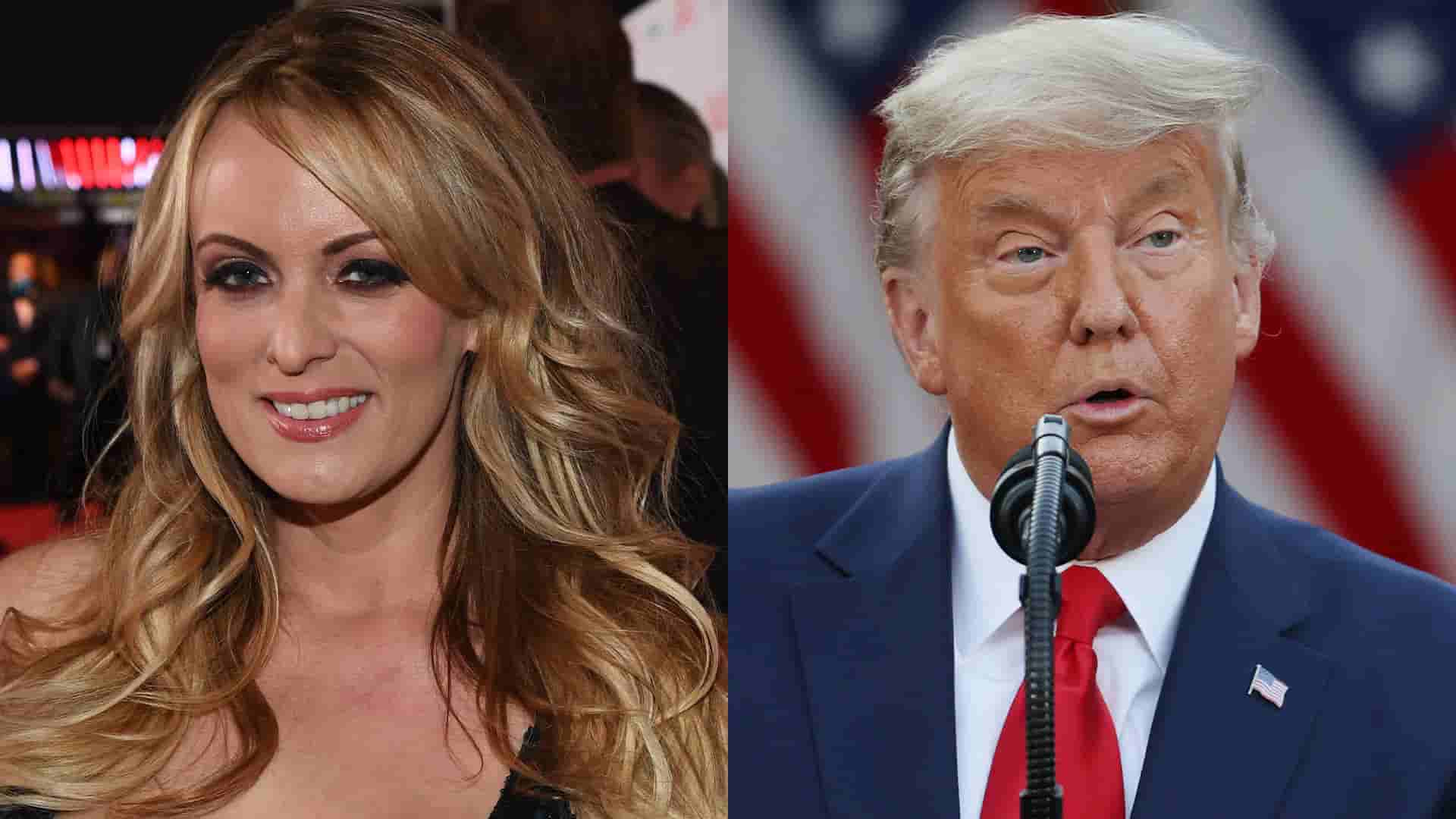
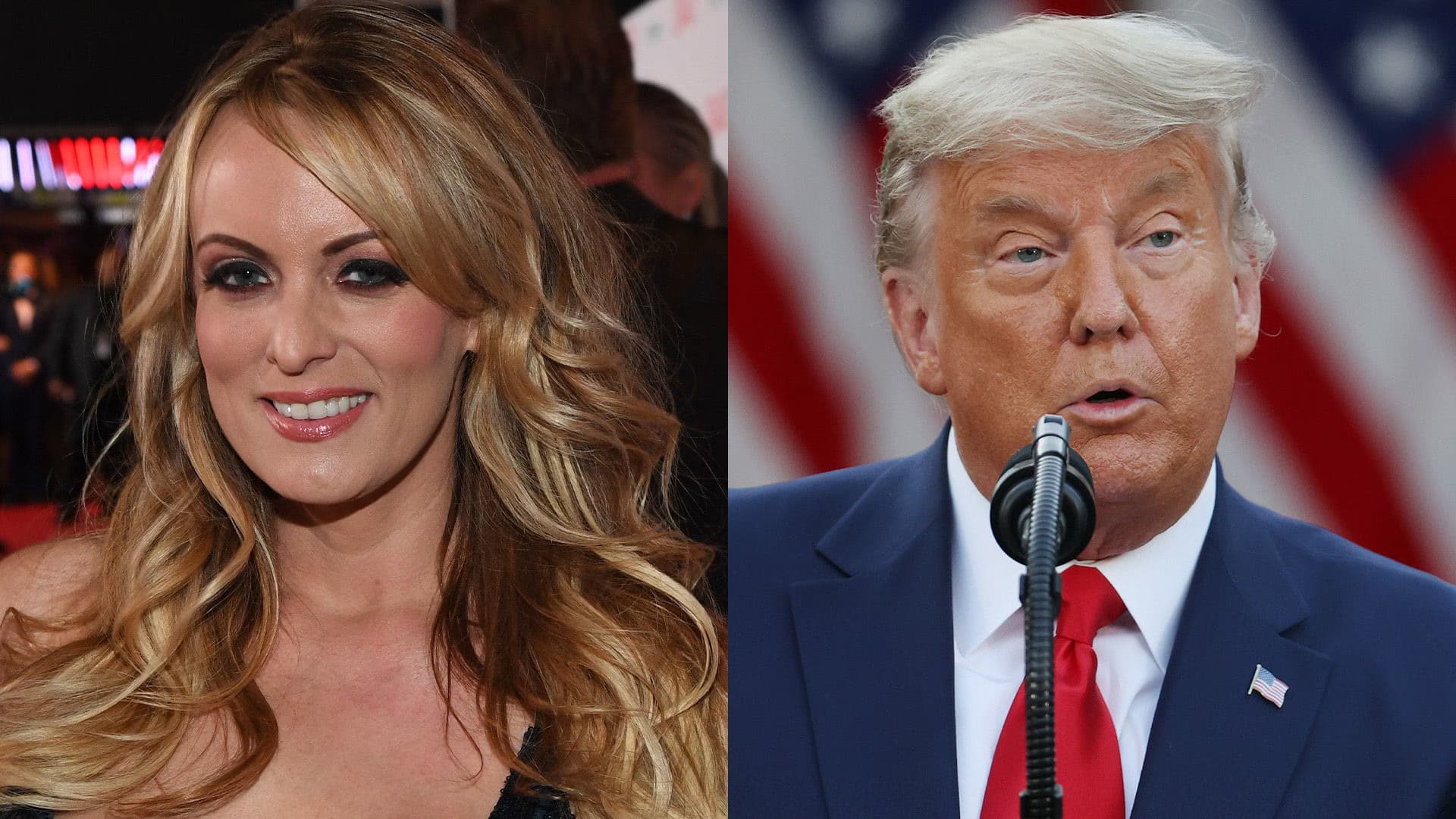
President Donald Trump's legal team asked a New York appeals court on Thursday to throw out his 2024 conviction in the hush money case, arguing that the trial was built on a flawed legal theory. A unanimous Manhattan jury found Trump guilty in May 2024 on all 34 felony counts of falsifying business records to hide a $130,000 payment to adult film performer Stormy Daniels before the 2016 election.
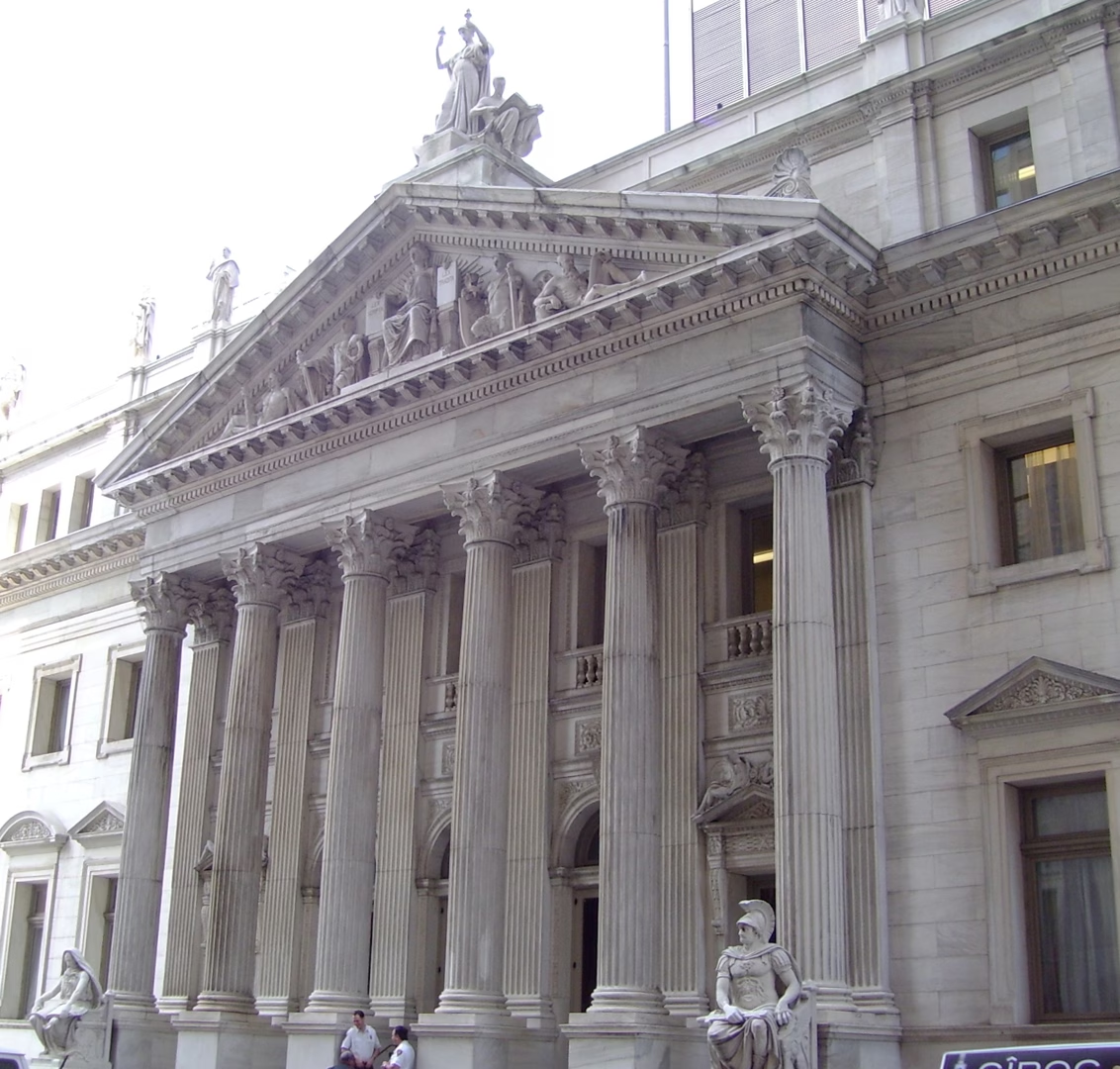
A five-judge panel of the Appellate Division repeatedly interrupted both sides with questions. Trump, who has always denied wrongdoing, was not expected to attend the session. In January 2025, when he was already president-elect, the trial judge gave him an unconditional discharge: he remains a convicted felon but received no jail time, fine or other penalty.
"The most obvious ground for reversal"
Trump's lawyer Robert Giuffra Jr., co-chair of the law firm Sullivan & Cromwell, argued that the jury instructions wrongly allowed jurors to consider violations of federal election law. Trump has long said the Federal Election Campaign Act (FECA) preempts state prosecution. "We think it's the most obvious ground for reversal," Giuffra told the judges. "All of the payments that are issued in this case... were payments that were deemed to be illegal contributions or expenditures under FECA," he said.
Falsifying business records on its own is a misdemeanor in New York. The charges became felonies because jurors were asked whether Trump intended to commit or conceal another crime, such as violations of FECA, tax fraud or bank fraud, and they did not have to agree unanimously on which one. Giuffra argued that they should have been required to do so.
Prosecutors: "a conspiracy to defraud the American public"
Steven Wu, an assistant district attorney in Manhattan District Attorney Alvin Bragg's office, countered that a federal court has twice rejected the argument that FECA preempts New York's case. He said prosecutors were not charging a federal campaign finance crime but using it to show the purpose of the falsified records. Asked by Judge Troy Webber whether prosecutors relied on FECA to prove the falsifying charge, Wu said: "Only partially." He added that it was "important only to show that the purpose for the falsifying business records here was to conceal that conspiracy."
Bragg's office has described the 2016 scheme as "a conspiracy to defraud the American public and government regulators." Wu also noted that Trump's trial lawyers had not argued at the time that a unanimous finding was legally required.
Immunity fight continues
The appeal also asks whether jurors should have heard testimony about White House conversations and seen Trump's social media posts from his first term. Trump's lawyers cite the Supreme Court's 2024 ruling on presidential immunity for official acts. "When a president addresses the nation to defend himself from allegations of personal misconduct (as all presidents do), or discusses such communications with his aides, he is carrying out his constitutional duties and is protected by immunity," Giuffra wrote in an October filing. One judge said testimony by former White House communications director Hope Hicks may fall into a "gray area" of presidential duties.
Prosecutors say the conduct was "unofficial, non-presidential." Trump is separately trying to move the case to federal court and have it dismissed on immunity grounds; a federal judge declined to do so for a third time in August, and arguments on that appeal are scheduled for Nov. 16. A spokesman for Trump's legal team said the Supreme Court decision and other precedent "mandate that the Witch Hunt perpetrated by the Manhattan D.A. be overturned and dismissed." Asked after the hearing how it went, Giuffra said: "I think it went well."
Photos: CNN / Getty Images; Wikimedia Commons
Stay Updated with Ally Daily
Subscribe to be informed about special news, developments and announcements. We will keep you informed.
By signing up, you agree to our Privacy Policy