- BIST10011,722-2.89%
- USD49.45+0.05%
- EUR55.62+0.37%
- GOLD4,181.10+0.26%
- INTEREST37.00%-1.00
- BITCOIN81,434-0.08%
- October 17, 202614°
- BIST10011,722-2.89%
- USD49.45+0.05%
- EUR55.62+0.37%
- GOLD4,181.10+0.26%
- INTEREST37.00%-1.00
- BITCOIN81,434-0.08%
- October 17, 202614°
Metals fall as U.S. rates rise, while energy prices increase
Precious and base metals declined in global commodity markets during a week marked by rising U.S. Treasury yields and the dollar, while energy products gained value. Brent crude rose 3.5% and natural gas 1.2%, while gold ended the week at $4,141 per ounce, down 3.4%.


Rising U.S. Treasury yields and a strengthening dollar put pressure on global commodity markets, particularly metals, during the week that ended. Energy products, meanwhile, rose amid uncertainty surrounding the diplomatic process between the United States and Iran and supply risks stemming from the Middle East.
Inflation remaining above target levels and high oil prices strengthened expectations that leading central banks, particularly the Federal Reserve (Fed), could maintain tight monetary policy. Amid selling pressure in global bond markets, the yield on the U.S. 10-year Treasury note rose to 5.34% and the 30-year yield to 5.69%, reaching their highest levels since 2002. The yields later stabilized at 5.28% and 5.61%, respectively.
While rising Treasury yields supported the dollar, the dollar index ended the week at 101.9, up 1%. However, inflation and employment data released in the United States weakened expectations that the Fed would raise interest rates in the near term.
The core personal consumption expenditures price index, which excludes food and energy prices and is closely monitored by the Fed, rose 0.2% month on month and 3% year on year in August. U.S. nonfarm payrolls increased by 29,000 in September, below expectations, while the unemployment rate rose to 4.2%. Following the data, money markets priced in a 23% probability of a Fed rate hike in October.
Precious metals post weekly losses
Precious metals, which do not offer interest income, declined against rising U.S. Treasury yields and the dollar. Higher Treasury yields increased the opportunity cost of holding these metals, while the dollar's appreciation made them more expensive for investors using other currencies.

Gold fell to as low as $4,111 per ounce in early-week selling, its lowest level since Aug. 5. Concerns that tensions in the Middle East could drive up inflation through oil prices kept expectations alive that interest rates would remain high for an extended period.
Although core inflation coming in below expectations and weak employment data provided temporary support for gold, selling resumed after a rise on the last trading day of the week. Gold therefore failed to recoup its weekly losses.
Weekly prices per ounce fell 8% for palladium, 6.1% for silver, 4.6% for platinum and 3.4% for gold. Gold ended the week at $4,141 per ounce. In silver, the faster-than-expected reduction in the amount used in solar panel production and the slowdown in new panel installations also weakened expectations for industrial demand.
Dollar and demand weigh on base metals
A stronger dollar, high energy costs and concerns over global demand pushed base metal prices lower. Energy costs driven up by the conflict between the United States and Iran, along with concerns about industrial demand in China, kept sentiment cautious in metal markets.
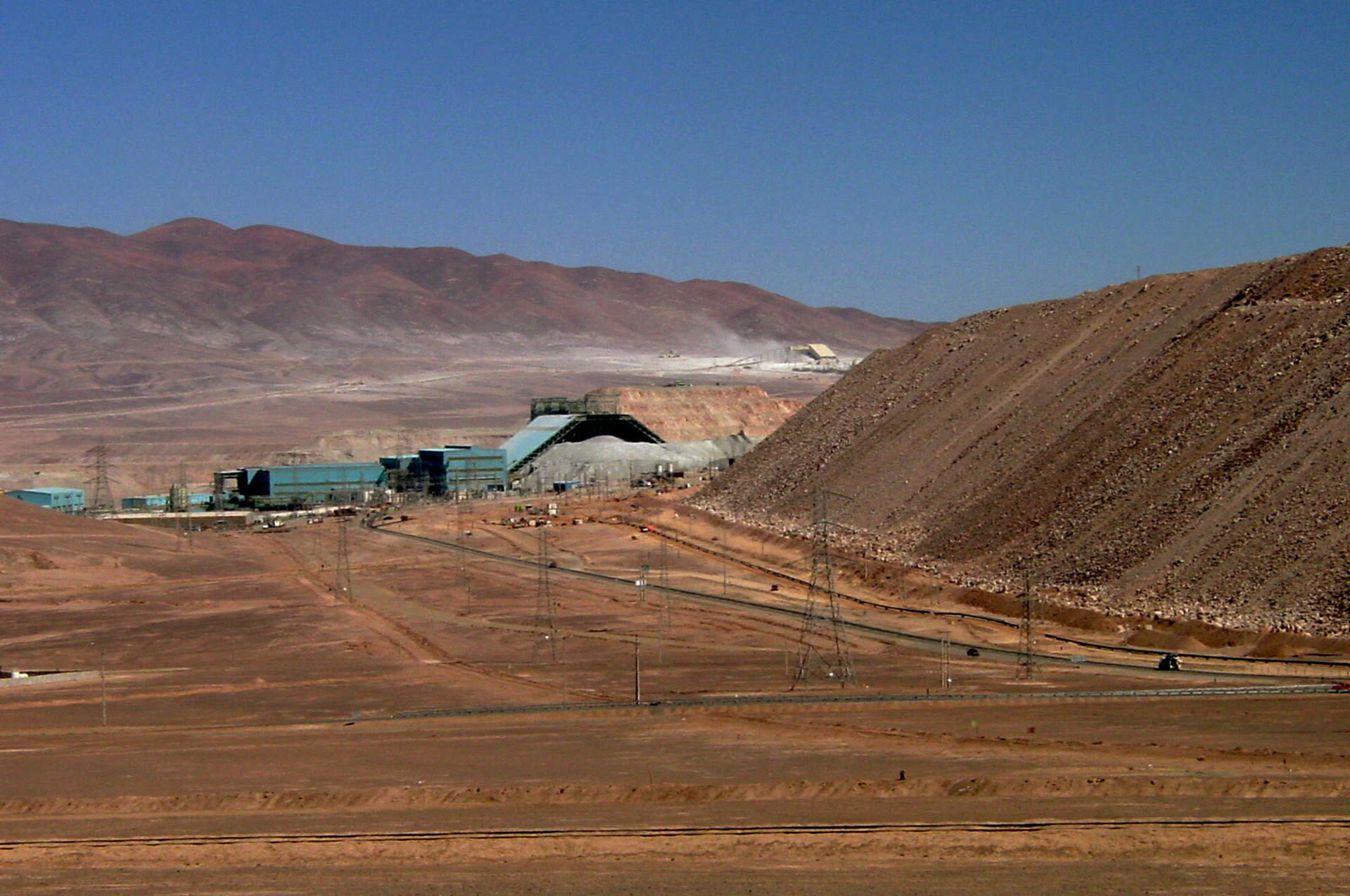
Data showing that Chile's copper production fell 12.8% year on year in August, together with the prospect of a strike at the Escondida mine, increased supply concerns. China's manufacturing Purchasing Managers' Index rose to 50.1 in September, returning to expansion territory and supporting the demand outlook, but copper's weekly losses could not be recouped.
The People's Bank of China's 25-basis-point cut to the one-year funding rate for policy banks was also among the measures supporting the economy. In over-the-counter markets, aluminum fell 5.4%, nickel 5.1%, zinc 5.1%, lead 4.7% and copper 2.9%.
Oil and natural gas prices rise
Uncertainty surrounding the diplomatic process between the United States and Iran and supply risks stemming from the Middle East pushed oil prices higher. International Energy Agency Executive Director Fatih Birol said crude oil exports from the region had recovered significantly, while refined-product shipments remained limited.
Birol noted that attacks on refineries in Russia had increased supply constraints, particularly in the diesel market. Decisions to release energy reserves for use on the final trading day of the week limited upward pressure on prices.
G7 leaders decided to release a total of 100 million barrels from oil and petroleum product reserves within four months under the coordination of the International Energy Agency. In a joint statement, they said a significant portion of the diesel reserves would be placed on the market within the first 20 days.
U.S. liquefied natural gas exports rose to 10.9 million tons in September, with 54% of shipments going to Europe. In the week ending Sept. 25, U.S. natural gas inventories increased by 64 billion cubic feet to 3 trillion 415 billion cubic feet. Inventories standing 2.4% above the five-year average supported the supply outlook.
On a weekly basis, the price of December-delivery Brent crude per barrel rose 3.5%, while the price of December-delivery natural gas in British thermal units increased 1.2%.

Agricultural commodity prices diverge
Inventory and production data from the U.S. Department of Agriculture, along with harvest developments, were the main drivers of divergent moves in agricultural commodities. As of Sept. 1, U.S. corn inventories had reached 2.1 billion bushels, up 35% year on year. Inventories exceeding market forecasts and progress in the harvest put pressure on corn prices.
The inventory outlook and strong export sales supported soybean prices, but supply pressure came to the fore as the new crop reached the market. In wheat, the announcement of a U.S. production forecast above expectations increased selling. Rice prices fell as the harvest progressed and demand for U.S. products remained weak.
At the Chicago Board of Trade, prices per bushel fell 5.9% for corn, 3.2% for soybeans and 2.9% for wheat. The price of rice per 100 pounds also declined 1.4%.
In coffee, forecasts that rainfall could remain insufficient during Brazil's flowering period, along with the dollar's decline on Friday, supported prices. In cocoa, the existing seasonal supply surplus exerted pressure, while concerns that dry weather in Côte d'Ivoire could negatively affect new-season production limited the decline.
On the Intercontinental Exchange in the United States, prices per pound rose 7.6% for sugar and 4.4% for coffee. Cotton fell 4.8%, while cocoa prices per ton declined 0.2%.
Stay Updated with Ally Daily
Subscribe to be informed about special news, developments and announcements. We will keep you informed.
By signing up, you agree to our Privacy Policy





















