- BIST10011,722-2.89%
- USD49.45+0.05%
- EUR55.62+0.37%
- GOLD4,186.70+0.40%
- INTEREST37.00%-1.00
- BITCOIN81,432-0.09%
- October 17, 202617°
- BIST10011,722-2.89%
- USD49.45+0.05%
- EUR55.62+0.37%
- GOLD4,186.70+0.40%
- INTEREST37.00%-1.00
- BITCOIN81,432-0.09%
- October 17, 202617°
Hot inflation, AI jitters wipe about $1 trillion off US stocks
U.S. stocks lost an estimated $1 trillion in market value on Wednesday as hotter-than-expected September inflation fueled bets on another Fed rate hike and deepened a sell-off in chip and AI shares. The Nasdaq fell 1.88%, its worst day since July.
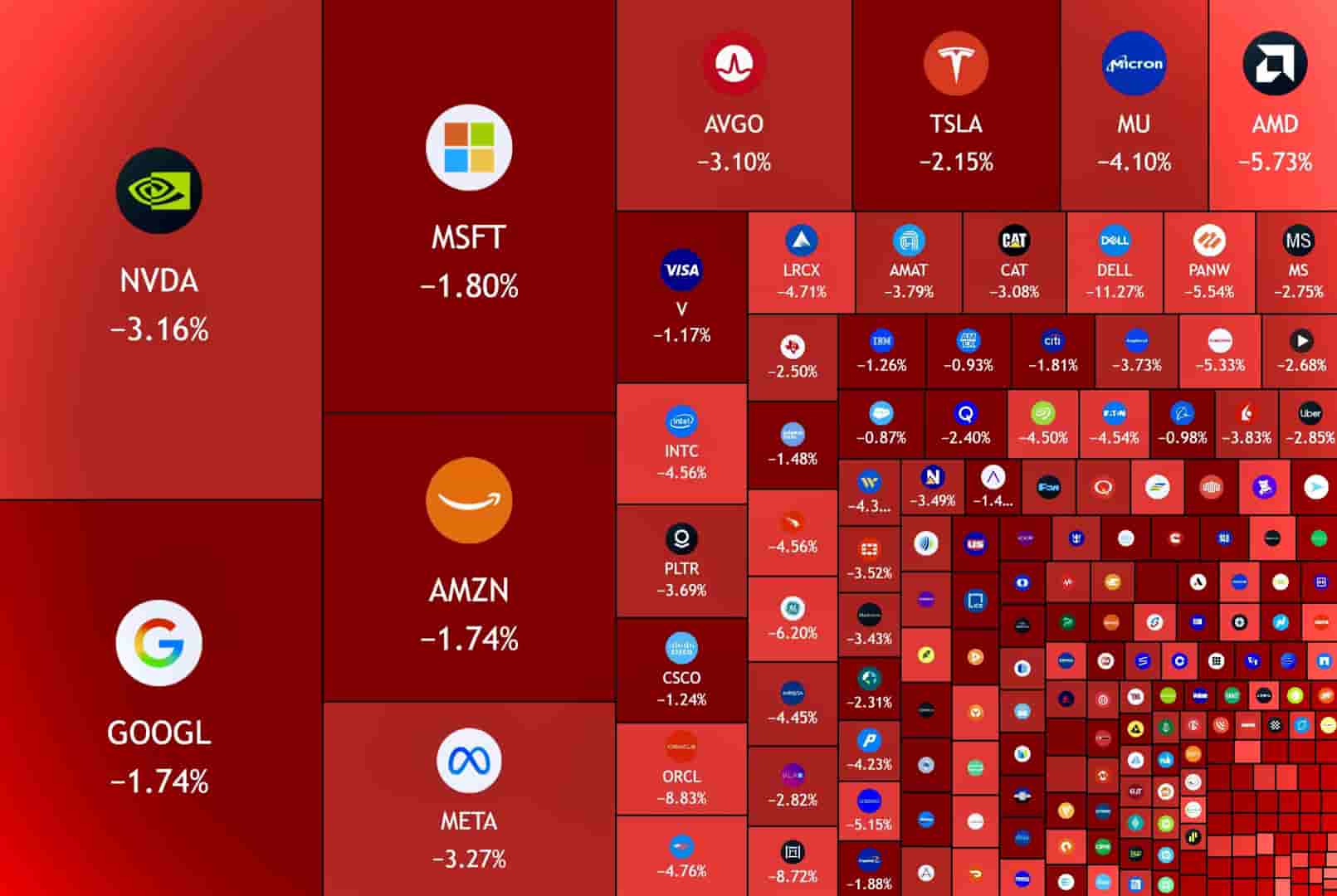

Wall Street suffered a broad sell-off on Wednesday, Oct. 14, that wiped an estimated $1 trillion in market value off U.S. stocks in a single session. The Nasdaq Composite slid 1.88% to 26,692.87, its worst day since July 23, while the S&P 500 fell 1.11% to 7,718.94. The Dow Jones Industrial Average held up better, slipping 0.09% to 51,621.48.
Inflation tops forecasts
The trigger was September’s consumer price index. Prices rose 0.6% from August and 3.7% from a year earlier, above economists’ 3.6% forecast and up from 3.4% in August. Gasoline jumped 9.1% and accounted for more than half of the monthly increase. Core CPI, which strips out food and energy, rose 2.6% year on year, topping the 2.5% estimate.
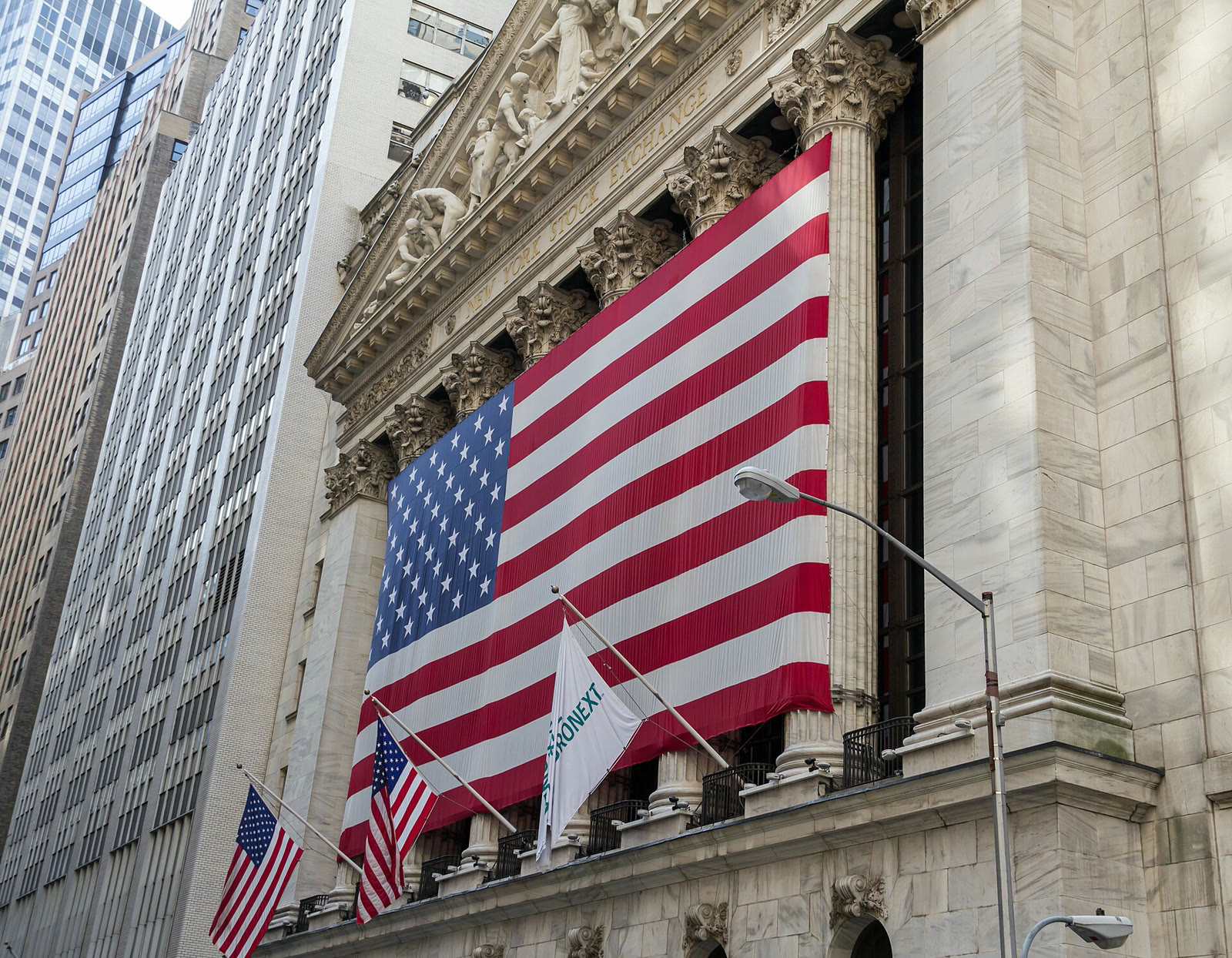
The figures strengthened expectations that the Federal Reserve could raise interest rates again. Richmond Fed President Tom Barkin said the data came in higher than he had expected, while Chicago Fed President Austan Goolsbee called it discouraging.
Chipmakers lead the losses
Technology shares bore the brunt as doubts grew over whether billions of dollars in artificial intelligence spending will pay off. The iShares Semiconductor ETF dropped 4.5%. AI cloud provider CoreWeave tumbled more than 15% and Nebius Group more than 10%, while AMD lost over 5%, Micron over 4% and Nvidia about 3%.
Bank earnings added to the pressure. Bank of America fell about 5% after its third-quarter profit dropped 17% to $6.9 billion, weighed down by a $1.2 billion regulatory fine. Morgan Stanley slipped about 3% despite beating estimates.
Investors moved into safer assets: the 10-year Treasury yield eased to about 5.1% and gold rose 1% to around $4,145 an ounce, while Brent crude fell 1.7% to $104.3 a barrel.
Stay Updated with Ally Daily
Subscribe to be informed about special news, developments and announcements. We will keep you informed.
By signing up, you agree to our Privacy Policy