On the first day of the G20 Innovation Ministers’ Meeting in Chapel Hill, North Carolina, the use of artificial intelligence in the public sector and support for innovation in emerging technologies took center stage. The meeting, hosted by the United States, also addressed the development of a skilled technical workforce.
Senior executives from the technology sector also attended the event as guest speakers. The agenda included how countries could work around common goals in their technology policies.
Common goals for the Carolina Principles
In his opening remarks, Michael Kratsios, director of the White House Office of Science and Technology Policy, said not every new innovation needed to be treated as an independent policy problem.
Kratsios said it was not necessary to view each emerging technology as a separate policy issue requiring a first-of-its-kind approach. He noted that governments could establish broad policy principles that take into account the needs of the science and technology development life cycle.
Kratsios announced that the G20 Innovation Working Group had finalized the “Carolina Principles” within a few months. He said G20 members adopting the principles had reached agreement on investing in basic research, supporting commercialization and promoting the reliable adoption of technology.
According to Kratsios, adopting the principles did not mean aligning countries’ legal systems or standardizing their regulatory bodies. Countries can set common goals and share principles that increase the benefits technology provides to societies.
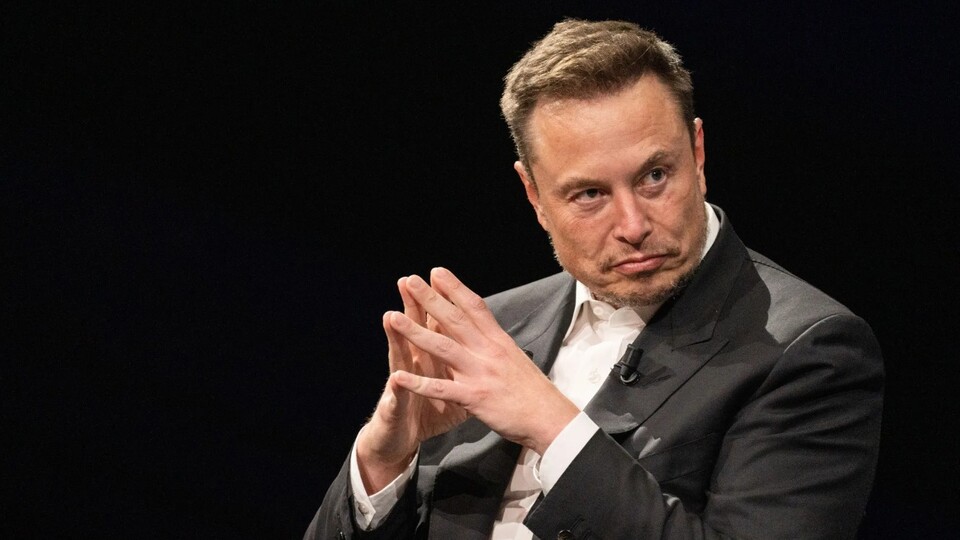
Musk discusses regulation and AI’s economic impact
Elon Musk, CEO of SpaceX and Tesla, said in a video conference address that excessive regulation was slowing technological progress.
Musk said new companies should be supported, small businesses should be encouraged to grow and the adoption of new technologies was also important.
Musk said artificial intelligence would deliver significant productivity gains, while the robotics sector could see even greater increases in productivity. He said AI could probably grow the global economy by 20% to 30%, which could amount to an annual increase of approximately $20 trillion to $30 trillion.
Musk claimed that AI could become capable of doing everything digital by the end of next year and said the technology would far outpace humans in software.
Zuckerberg defends open-source access
Meta CEO Mark Zuckerberg said the company was working on AI agents that it aims to make available for billions of people.
Zuckerberg said AI could reduce the capital and number of people needed to start a new business in the future. He said this could contribute to the emergence of more successful startups and added that the way large companies operate would also change.
Zuckerberg said not every outcome of the transformation would be positive and that investments were needed to enable people to use new tools. He said the capacity to create new things would increase substantially, adding that this would lead to a dynamic period for the economy.
Zuckerberg stressed the need for policies that make it easier to improve and change existing systems, saying open source was one of the important elements of AI. He said the power and capabilities of AI should not be limited to a small group.
Zuckerberg said Meta had focused on the issue for a long time and argued that open source should not be restricted or closed off from access.
Schedule for the meeting’s second day
Nvidia CEO Jensen Huang and OpenAI CEO Sam Altman are expected to speak on the second day of the G20 Innovation Ministers’ Meeting.