- BIST10011,722-2.89%
- USD49.45+0.05%
- EUR55.62+0.37%
- GOLD4,181.10+0.26%
- INTEREST37.00%-1.00
- BITCOIN81,450-0.06%
- October 17, 202614°
- BIST10011,722-2.89%
- USD49.45+0.05%
- EUR55.62+0.37%
- GOLD4,181.10+0.26%
- INTEREST37.00%-1.00
- BITCOIN81,450-0.06%
- October 17, 202614°
NASA launches Crew-13 Dragon to the International Space Station
As part of NASA’s Crew-13 mission, a four-person crew was sent from Florida to the International Space Station aboard SpaceX’s Falcon 9 rocket. The crew is scheduled to conduct experiments supporting lunar and Mars research during a mission lasting approximately 180 days.


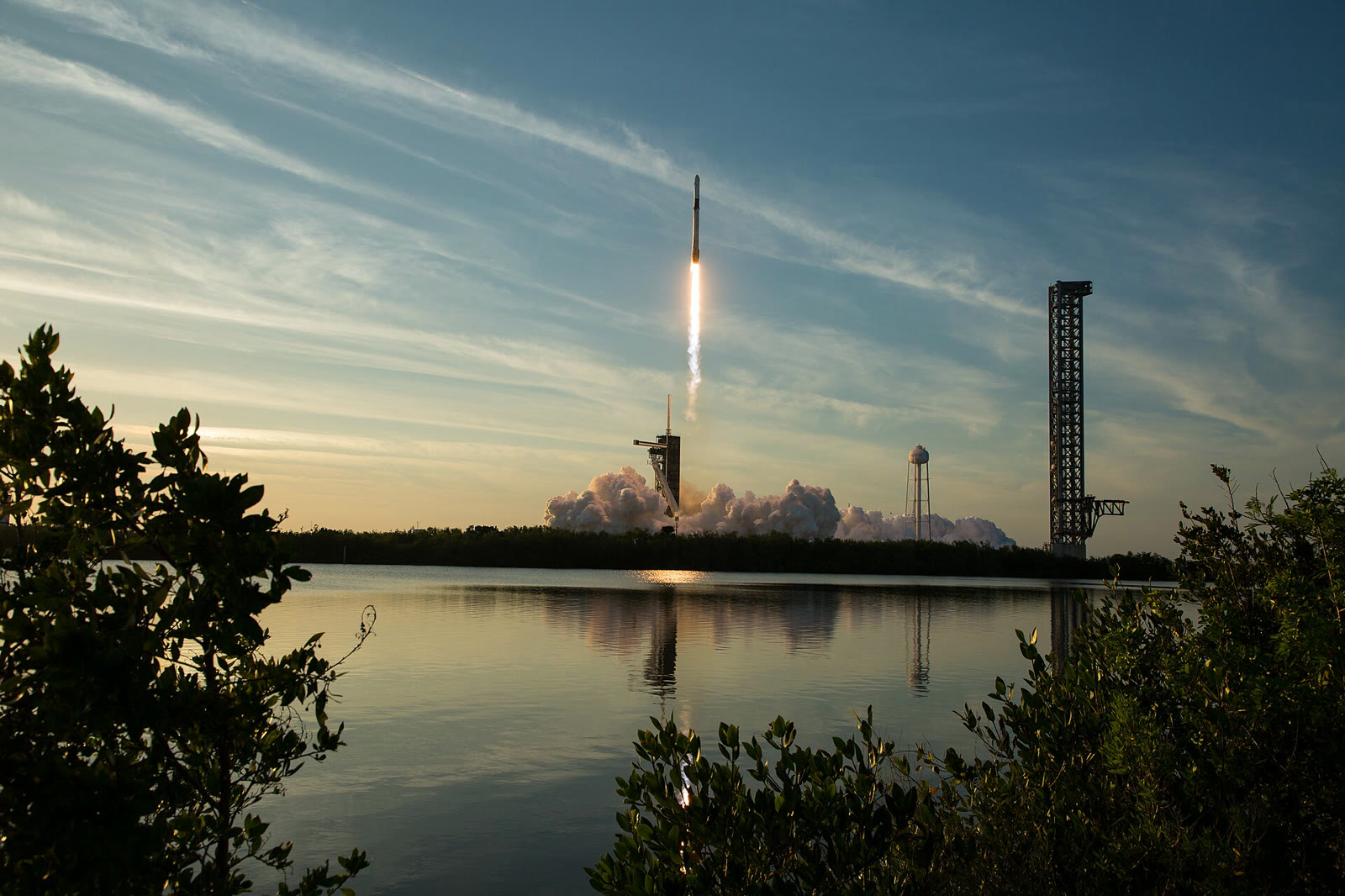
Cape Canaveral Space Force Station in Florida hosted the launch of the Dragon spacecraft carrying the four-person crew assigned to NASA’s Crew-13 mission. Following the launch aboard SpaceX’s Falcon 9 rocket, the spacecraft set course for the International Space Station.
Falcon 9 landed vertically in the designated area at the launch site approximately 7 minutes and 50 seconds after liftoff. NASA announced during its live broadcast that Dragon had entered orbit approximately 10 minutes after launch.
Jessica Watkins will lead the mission crew
The Crew-13 team consists of NASA Commander Jessica Watkins, NASA Pilot Luke Delaney, and mission specialists Joshua Kutryk and Sergey Teteryatnikov. Jessica Watkins will lead the crew.
The four astronauts are expected to join Expedition 75 aboard the International Space Station. The crew is scheduled to spend approximately six months, or 180 days, at the station.
Experiments will support lunar and Mars missions
During their mission aboard the station, the crew will conduct experiments and technology demonstrations to support research for future lunar and Mars missions. The work is intended to contribute to research that could benefit people on Earth.
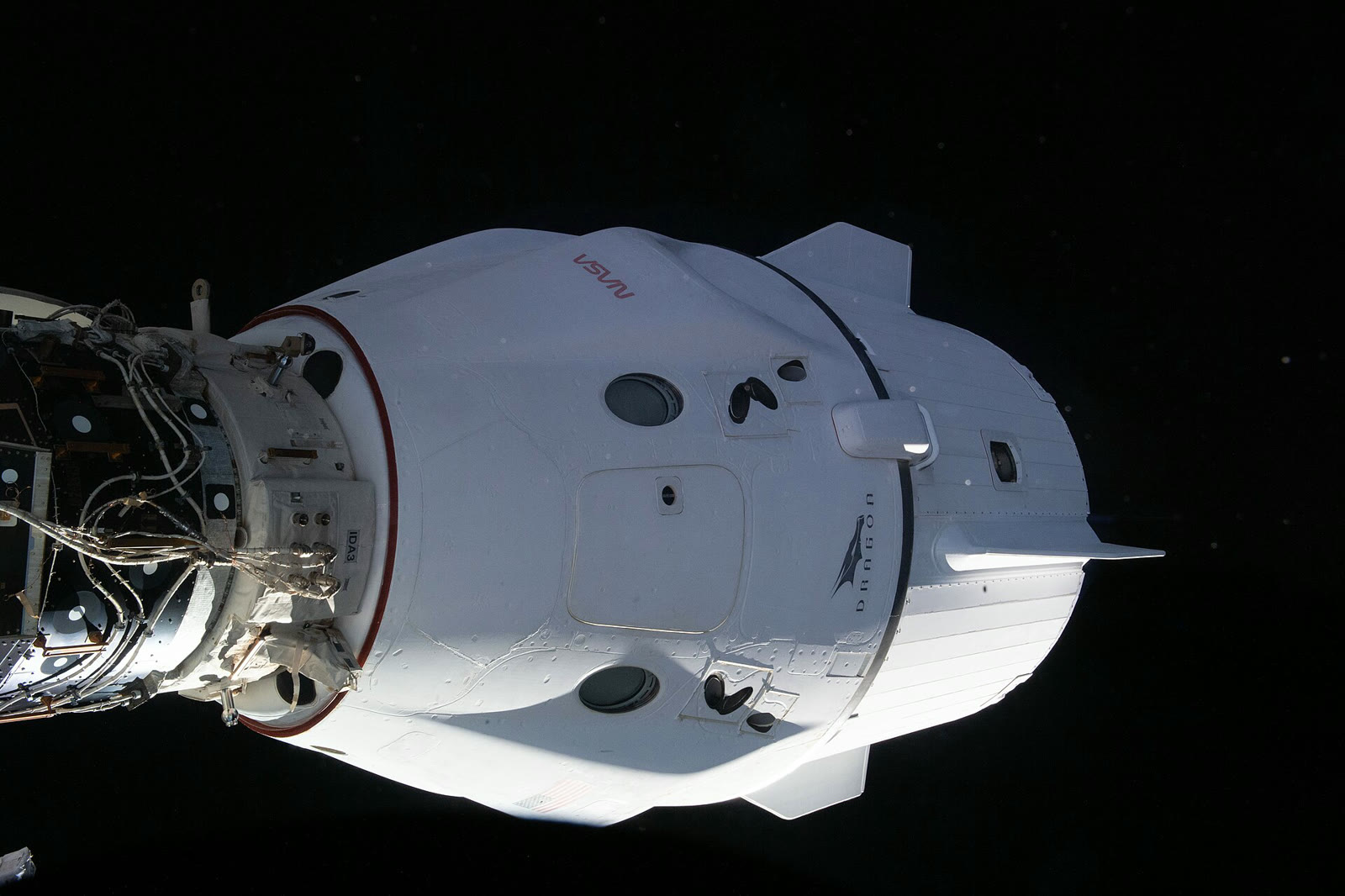
Dragon is scheduled to approach the International Space Station at around 7 p.m. Eastern Time in the United States. The journey, carried out under NASA’s Commercial Crew Program, is expected to take less than eight hours.
The crew is expected to return to Earth in March 2027 after completing its 180-day mission.
SpaceX pointed to orbital mechanics
Bill Gerstenmaier, SpaceX’s vice president of build and flight reliability, said at a prelaunch press conference that the angular separation between Dragon and the space station was very close. Gerstenmaier said the appropriate positioning was achieved through orbital mechanics.
Stay Updated with Ally Daily
Subscribe to be informed about special news, developments and announcements. We will keep you informed.
By signing up, you agree to our Privacy Policy